
When facing an oral cancer diagnosis, understanding the oral cancer treatment success rate becomes crucial for patients and families making informed treatment decisions. This comprehensive guide explores survival statistics, factors affecting outcomes, and actionable steps to improve your prognosis.
Understanding Oral Cancer and Why Survival Rates Matter
Oral cancer is a malignant condition affecting the mouth, tongue, lips, gums, and throat tissues. According to the NCCR-NOCR (National Oral Cancer Registry) site, oral cancer accounts for approximately 40% of all cancer cases in India, and about 60,000 new oral cancer cases are reported annually
Understanding oral cancer survival rate statistics helps patients and healthcare providers develop realistic treatment expectations and make informed decisions about aggressive interventions. Early detection significantly improves the oral cancer treatment success rate, with localized cancers having substantially better outcomes than advanced stages.
The survival rate of oral cancer varies dramatically based on when the disease is caught, making regular screenings and awareness of mouth cancer causes essential for optimal outcomes.
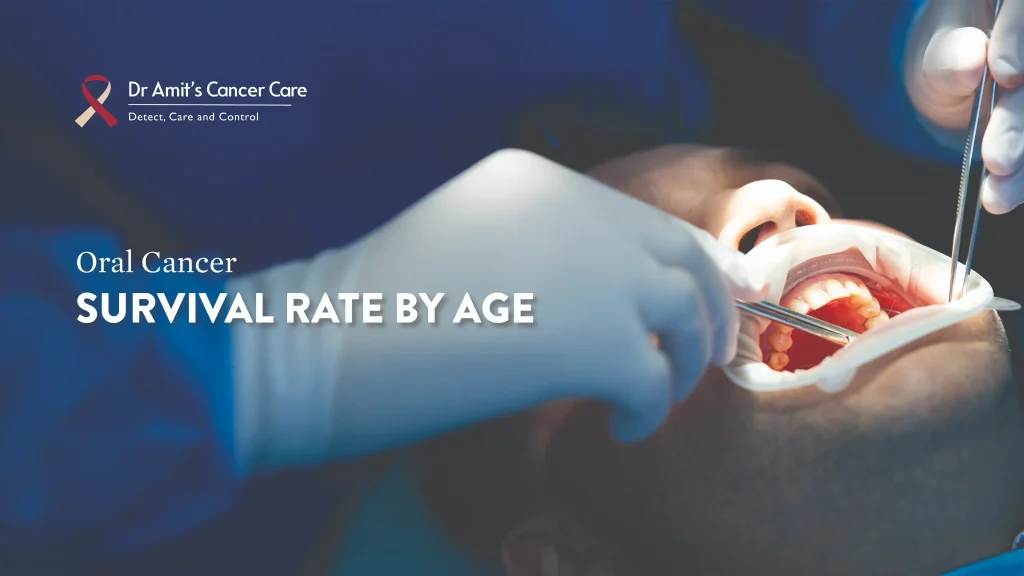
Oral Cancer Survival Rate by Age
Age significantly influences oral cancer survival rates, as younger individuals typically respond better to treatment and have a higher likelihood of long-term survival.
|
Age Group |
5-Year Survival Rate |
Key Considerations |
|
Under 45 years |
85-90% |
Better immune response, fewer comorbidities |
|
45-54 years |
75-85% |
Good treatment tolerance, active lifestyle |
|
55-64 years |
65-75% |
Some age-related health factors |
|
65+ years |
50-65% |
Multiple health conditions, treatment limitations |
Why Age Matters in Oral Cancer Treatment Success?
The survival rate of oral cancer in India mirrors global patterns, with younger patients consistently achieving better long-term outcomes. However, age-related survival differences extend beyond simple statistics, they reflect fundamental biological and practical treatment considerations.
Detailed Analysis by Age Group
1. Patients Under 45 Years:
This demographic shows the highest oral cancer treatment success rate due to several advantages:
- Robust Immune System: Younger immune systems mount stronger responses against cancer cells and recover more efficiently from treatments like chemotherapy and radiation
- Cellular Regeneration: Enhanced tissue repair capabilities lead to faster healing after oral cancer survival rate after surgery and reduced treatment-related complications
- Treatment Tolerance: Ability to withstand aggressive multi-modal therapies including high-dose chemotherapy, extensive surgical procedures, and intensive radiation protocols
- Lifestyle Factors: Generally fewer years of tobacco/alcohol exposure, better baseline health, and higher likelihood of treatment compliance
- Psychological Resilience: Better emotional adaptation to diagnosis and treatment demands, contributing to improved overall outcomes
2. Ages 45-54 Years:
This middle-age group maintains relatively good oral cancer survival rates while facing increasing challenges:
- Moderate Treatment Tolerance: Can typically handle comprehensive treatment protocols with manageable side effects
- Beginning Health Complications: Early signs of age-related conditions (hypertension, diabetes) that require careful management during treatment
- Career and Family Responsibilities: May face treatment delays due to work or family obligations, potentially impacting early intervention benefits
- Accumulated Risk Factors: Longer exposure to potential carcinogens may influence tumor aggressiveness and treatment response
3. Ages 55-64 Years:
Pre-elderly patients experience declining oral cancer survival rate by age due to:
Emerging Comorbidities: Increased prevalence of cardiovascular disease, diabetes, and other chronic conditions that complicate treatment
Reduced Treatment Options: Some aggressive therapies may be contraindicated due to overall health status
Slower Recovery: Extended healing times and increased risk of treatment-related complications
- Medication Interactions: Complex drug regimens for existing conditions may limit chemotherapy options
4. Patients 65+ Years:
Elderly patients face the most challenging prognosis, though outcomes continue improving with advances in geriatric oncology:
- Multiple Health Conditions: Average of 2-3 chronic diseases that influence treatment selection and tolerance
- Frailty Syndrome: Reduced physical reserves affecting ability to withstand intensive treatments
- Cognitive Considerations: Potential memory or decision-making challenges that impact treatment compliance
- Social Support: May require extensive caregiver assistance throughout treatment journey
Factors Contributing to Age-Related Survival Differences
Biological Factors:
DNA Repair Mechanisms: Younger cells repair treatment-induced damage more effectively
- Angiogenesis: Tumor blood supply development varies with age, affecting treatment penetration
- Hormonal Influences: Age-related hormonal changes may influence cancer cell behavior and treatment response
- Metabolic Changes: Altered drug metabolism in older patients affects chemotherapy effectiveness and toxicity
Treatment-Related Factors:
Surgical Candidacy: Older patients may not qualify for extensive reconstructive procedures
- Radiation Tolerance: Age-related tissue changes affect radiation therapy planning and side effect management
- Chemotherapy Dosing: Frequent dose reductions in elderly patients may compromise treatment effectiveness
Stage at Diagnosis:
Stage 1: Small, localized tumors, usually treatable with surgery. The stage 1 oral cancer survival rate is generally high.
Stage 2: Larger but confined tumors; may need surgery plus radiation. Helps understand stage 2 oral cancer survival rate.
- Stage 3: Spread to nearby lymph nodes or tissues, requiring multimodal treatment. Refers to stage 3 oral cancer survival rate.
- Stage 4: Advanced spread to distant organs or multiple nodes, needing aggressive treatment. Shows stage 4 oral cancer survival rate.
Together, these reflect the oral cancer survival rate by stage, highlighting the importance of early detection.
Socioeconomic and Healthcare Access Factors:
The survival rate of oral cancer in India varies significantly based on:
Geographic Location: Urban vs. rural access to specialized oncology centers
Healthcare Infrastructure: Availability of multidisciplinary cancer care teams
- Economic Resources: Ability to access advanced treatments and supportive care
- Family Support Systems: Crucial for treatment compliance and recovery, particularly in older patients
Optimizing Oral Cancer Treatment Success Rate Across Ages
Improving survival and treatment outcomes depends on age-specific strategies, personalized planning, and proactive patient involvement.
For Younger Patients:
Maximize aggressive treatments while minimizing long-term complications. Focus on fertility preservation, quality of life considerations, and complete lifestyle modifications for optimal long-term health.
For Middle-Aged Patients:
Balance treatment intensity with existing health conditions. Implement comprehensive cardiac and metabolic monitoring during therapy and coordinate care with primary physicians for ongoing health management.
For Elderly Patients:
Utilize geriatric oncology principles and consider modified treatment protocols that balance efficacy with quality of life. Implement enhanced supportive care measures and involve family education throughout the treatment journey.
Personalized Treatment Planning:
Age-based statistics provide guidance, but individual assessment remains key. Factors such as performance status, cognitive function, social support, and personal preferences significantly influence treatment decisions. Modern approaches include comprehensive geriatric assessments, biomarker testing to predict treatment response, minimally invasive surgical techniques, and supportive care protocols tailored to age-specific needs.
Improving Your Chances of Survival:
Patients can take proactive steps to enhance outcomes:
Lifestyle Changes: Stop tobacco and alcohol use, adopt an anti-inflammatory diet for oral cancer patients, manage stress through meditation or counseling, and exercise as tolerated.
- Treatment Adherence: Follow oncology appointments, complete prescribed therapies, attend rehabilitation sessions, and maintain regular follow-ups.
- Advanced Treatment Options: Targeted therapy, immunotherapy, and precision medicine techniques can improve outcomes when combined with surgery, radiation, and chemotherapy.
- Comprehensive Support: Engage nutritionists, mental health professionals, and support groups to enhance quality of life and overall recovery.
By combining age-specific strategies, personalized planning, and lifestyle interventions, patients and families are empowered to make informed decisions and optimize oral cancer treatment success rates at any stage of life.
Conclusion
Being aware of oral cancer treatment success rates helps patients make informed choices while holding onto realistic hope for recovery. Although advanced stages can be more complex to treat, ongoing progress in medical treatments and supportive therapies continues to enhance patient outcomes across all stages.
The best way to improve survival rates is through early detection, timely treatment, lifestyle changes, and specialized oncology care. Routine dental checkups, knowledge of risk factors, and quick response to unusual symptoms can significantly increase the chances of a positive prognosis.
If you or a loved one has received an oral cancer diagnosis, consulting with experienced oncology specialists ensures access to the most current treatment options and comprehensive care approaches.
Ready to explore your treatment options? Contact Dr. Amit’s Cancer Care for personalized consultation and comprehensive oral cancer treatment planning. Schedule your appointment today to discuss how we can optimize your treatment success rate and support your journey to recovery.
Read more blogs:
- Types of Oral Cancer You Should Know About: A Complete Guide
- Oral Cancer Stages: Symptoms and Survival Rates
- Is Mouth Cancer Curable?
- Screening Test for Oral Cancer


 Jun 19, 2024