Tongue Cancer

Overview
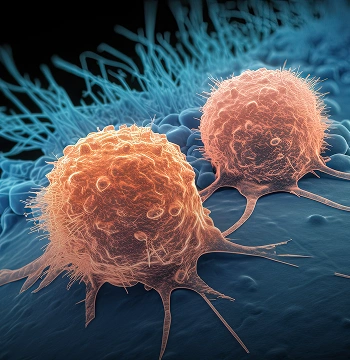
Tongue cancer is a malignant disease that originates in the tissues of the tongue, an essential organ for chewing, speaking, swallowing, and tasting. It can develop in the front two-thirds, called the oral tongue, or at the base near the throat. Common tongue cancer symptoms include persistent sores, lumps, pain, or difficulty moving the tongue. Treatments vary depending on the cancer’s stage and location, including surgery, radiation, chemotherapy, targeted therapy, and immunotherapy. Early detection significantly improves the tongue cancer treatment success rate, helps preserve vital functions, and enhances quality of life.
Take the first step towards expert care and personalised tongue cancer treatment.
Contact Dr Amit Chakraborty’s care centre today to schedule your consultation and begin your path to recovery.
Book Consultation
What is Tongue Cancer?
Tongue cancer is a malignant growth that develops in the tissues of the tongue, a muscular organ vital for speech, taste, chewing, and swallowing. It may affect the visible oral tongue (front two-thirds) or the base near the throat. The beginning of tongue cancer usually occurs in the squamous cells lining the tongue’s surface. Early-stage cases may present as sores or lumps that persist and progress if untreated. This tongue cancer definition emphasises the importance of early diagnosis to improve survival and quality of life.
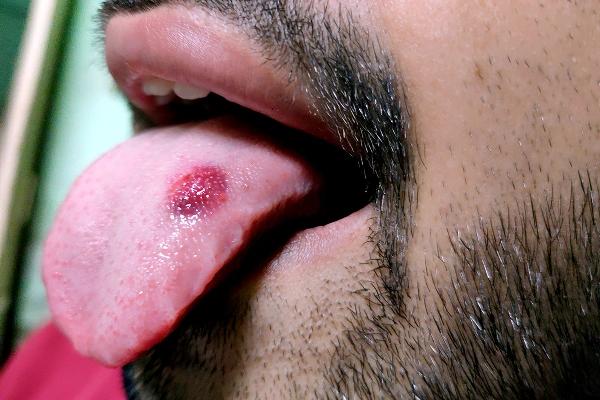

What are the Tongue Cancer Symptoms?
Recognising early signs of tongue cancer is crucial for prompt diagnosis and treatment to improve outcomes:
- Persistent sores or ulcers on the tongue
- Pain or tenderness in the tongue
- Difficulty swallowing or speaking
- Red or white patches on the tongue's surface
- Lingering numbness or feeling of something stuck in the throat
Early stage tongue cancer symptoms can be subtle; prompt evaluation is essential.
What are the Causes and Risk Factors?
The main tongue cancer causes include lifestyle and environmental factors:

Tobacco use
Smoking or chewing tobacco is one of the leading causes of tongue cancer.

Alcohol consumption
Excessive alcohol intake significantly increases risk.

HPV infection
Certain strains of HPV, especially HPV-16, are linked to tongue and oropharyngeal cancers.

Chronic irritation
Ongoing irritation or poor oral hygiene can contribute to long-term tissue damage.

Age and genetics
Advancing age and genetic predisposition can heighten susceptibility.
Understanding what causes tongue cancer helps target prevention and early detection efforts.
How is Tongue Cancer Diagnosed?
Diagnosis involves:
Clinical examination
Biopsy
Imaging studies
Cancer staging

How is Tongue Cancer Staged?
Tongue cancer stages identify how far the cancer has spread:
Treatment Options for Tongue Cancer

Surgery
Partial or extensive tongue cancer surgery may be needed, with reconstructive techniques restoring function. The tongue cancer surgery success rate improves significantly when detected early.

Radiation Therapy
Often used post-surgery or as a standalone treatment in inoperable cases.
Chemotherapy
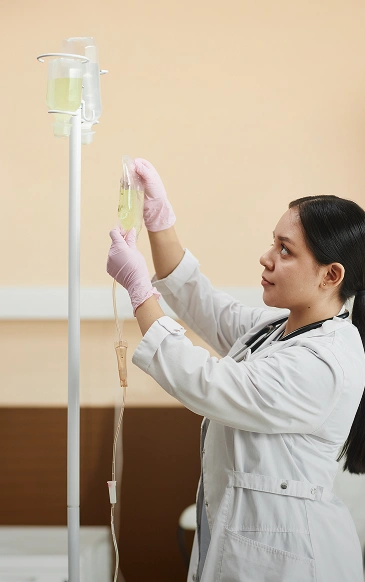
Used mainly for advanced cases, often combined with radiation.
Targeted Therapy
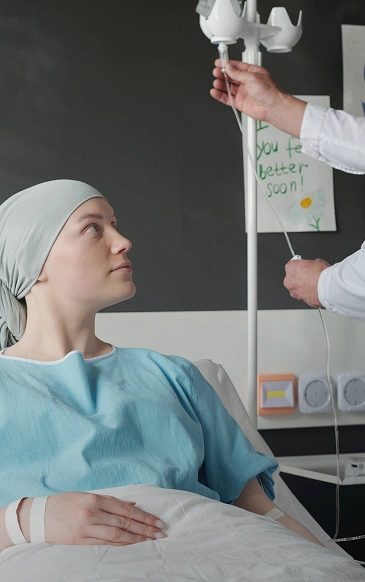
Focuses on specific molecular targets to reduce side effects.

Immunotherapy
Supports the immune system to identify and destroy cancer cells, especially in recurrent or metastatic tongue cancer.

Additional Considerations
Supportive care is essential, including speech therapy, nutritional support, dental care, and psychological counselling to aid recovery and maintain quality of life.
Tongue Cancer Recovery Timeline
Preoperative Preparation
(1–2 weeks)

Diagnostic testing and surgical planning
Nutritional advice, mental and physical preparation
Surgery & Hospital Stay
(Day 0–7)

Cancerous tissue removal and critical monitoring
Pain management, wound care, early rehabilitation
Early Recovery Phase
(1–4 weeks)

Healing and managing side effects
Supporting speech and swallowing exercises, nutrition
Rehabilitation & Follow-Up
(1–3 months)

Functional recovery and monitoring
Regular follow-ups, therapy support, lifestyle guidance
Long-Term Recovery
(3 months and beyond)

Continued surveillance and oral function restoration
Emotional support and regular medical evaluations
Outcomes and Survival Rates
The success of tongue cancer treatment depends heavily on early diagnosis, with early-stage cases showing a significantly better prognosis. Advances in surgery, radiation, and chemotherapy have improved survival rates and functional outcomes, helping more patients become long-term tongue cancer survivors. Lifelong monitoring ensures early detection of recurrences and supports optimal recovery.


Dr. Amit Chakraborty
Cancer Surgeon
Why Choose Dr Amit Chakraborty for Tongue Cancer Treatment?
- Extensive expertise in tongue cancer surgeries and reconstructive techniques
- Personalised treatment plans tailored to types of tongue cancer, stage, and individual health
- Access to the latest targeted therapies and immunotherapy options
- Comprehensive supportive care, including speech therapy, nutritional, and psychological support
- Commitment to patient-centred care, emphasising quality of life and long-term survivorship
0
Treated Cancer Patients
0
Complex Surgeries
0%
Success Rate

FAQs
Tongue cancer is a malignancy originating in the tissue of the tongue, affecting speech, swallowing, and taste.
Early signs include persistent sores, lumps, pain, and difficulty in oral functions.
Treatment includes surgery, radiation, chemotherapy, targeted therapy, and supportive care.
Success improves with early detection and advanced surgical techniques.
Yes, cancer under the tongue can develop on the ventral (underside) of the tongue and requires prompt evaluation and assessment similar to other oral cancers.
Regular monitoring with imaging and clinical exams post-treatment is crucial.
The cost of tongue cancer treatment in India varies based on the cancer stage, whether reconstruction is needed, and the overall treatment plan. On average, tongue cancer surgery and related care cost ₹2,00,000 to ₹5,00,000 in India. A detailed estimate is shared after evaluation.
Together, We Can Fight Against Cancer
Contact us via phone or fill out our appointment form to schedule a consultation with Dr Amit Chakraborty.
Book Consultation