Thyroid Cancer

Overview
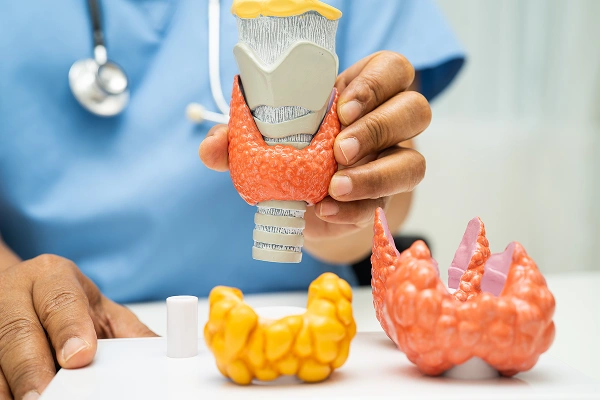
Thyroid cancer originates from abnormal growth within the thyroid gland, a butterfly-shaped organ at the front of the neck responsible for regulating metabolism and growth. Understanding thyroid cancer symptoms early can lead to timely intervention and improved outcomes. Treatment strategies vary depending on cancer stage and type and may include surgery, radioactive iodine therapy, targeted treatments, and hormone replacement following thyroidectomy.
Trust Dr. Amit Chakraborty’s expert multidisciplinary care to deliver personalised thyroid cancer treatment and guide you confidently toward lasting recovery.
Book Consultation
What is Thyroid Cancer?
The thyroid cancer definition refers to the development of abnormal cells within the butterfly-shaped thyroid gland located at the front of the neck. This gland produces hormones that regulate metabolism, growth, and energy use. When these abnormal cells multiply, they can form tumours ranging from slow-growing types of thyroid cancer with excellent prognosis to more aggressive forms requiring urgent treatment. The severity depends on the cancer type and stage, underscoring the importance of early diagnosis and personalised care.
What are the Symptoms of Thyroid Cancer?
Recognising the signs of thyroid cancer early helps enable timely diagnosis and treatment, improving patient outcomes. Common symptoms may include:
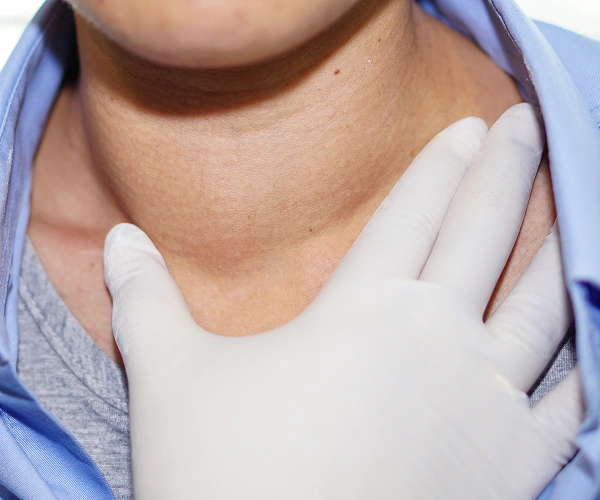
- Lump or swelling in the neck
- Difficulty swallowing or breathing
- Hoarseness or voice changes
- Persistent cough unrelated to a cold
- Pain or discomfort in the neck or throat
- If these symptoms appear, prompt evaluation by a healthcare professional is essential.
What are the Causes and Risk Factors?
Understanding factors that increase the risk of thyroid cancer can help target prevention and screening efforts. Key thyroid cancer causes and risk factors include:

Childhood Radiation Exposure
Childhood exposure to radiation, especially to the head and neck

Family History
A family history of thyroid cancer or related endocrine cancers raises susceptibility due to inherited genetic influences.

Inherited Genetic Syndromes
Certain inherited conditions, such as multiple endocrine neoplasia (MEN) or familial medullary thyroid carcinoma, contribute to higher risk.

Age and Gender Factors
Thyroid cancer occurs more frequently in women and is most common in middle-aged individuals.

Iodine Intake and Environmental Factors
Imbalances in iodine consumption and exposure to specific environmental toxins may influence thyroid cancer development.
How is Thyroid Cancer Diagnosed?
Diagnosis requires a combination of clinical evaluation and diagnostic tests to confirm the presence and type of thyroid cancer. This includes:
Physical Examination
Ultrasound Imaging
Fine Needle Aspiration Biopsy
Blood Tests
Staging and Treatment Planning

How is Thyroid Cancer Staged?
Thyroid cancer classification and staging determine the extent of disease spread, guiding prognosis and treatment decisions. The TNM system is commonly used, assessing:
Treatment Options for Thyroid Cancer
Thyroid cancer treatment is tailored based on the thyroid cancer stages, cancer subtype, and patient health:

Lobectomy or Partial Thyroidectomy
Removes one lobe of the thyroid, used in small, localised tumours to preserve function and minimise hormone replacement needs.

Subtotal or Total Thyroidectomy
Complete or near-complete removal of the thyroid gland, recommended for larger or multifocal cancers, usually followed by hormone replacement therapy.

Radioactive Iodine Therapy
Used post-surgery to destroy residual thyroid tissue or metastatic cells, exploiting the thyroid's natural iodine absorption.

Hormone Replacement Therapy
Administered lifelong after total thyroidectomy to replace thyroid hormones and suppress thyroid-stimulating hormone that could promote cancer growth.

Targeted Therapies and Chemotherapy
For aggressive or metastatic cases unresponsive to conventional treatments, drugs targeting specific molecular pathways offer new options.

Emerging Treatments and Clinical Trials
Immunotherapy and novel agents under study may provide options for resistant disease.

Supportive Care and Additional Considerations
Includes emotional and psychological support, lifelong hormone therapy after total thyroid removal, survivorship care for education and lifestyle guidance, innovations in minimally invasive surgery, and genetic counselling as needed.
Thyroid Cancer Recovery Timeline
Preoperative Preparation
(1–2 weeks)

Diagnostic tests and surgical planning
Guidance on diet, exercise, and mental preparation
Surgery & Hospital Stay
(Day 0–2)

Lobectomy or thyroidectomy with monitoring
Pain control, wound care, and early mobilization
Early Recovery Phase
(1–3 weeks)

Healing of surgical site, initial hormone monitoring
Nutrition advice and support, begin gentle activity
Rehabilitation & Follow-Up
(3 weeks – 3 months)

Hormone dose adjustments and physical/emotional recovery
Regular blood tests, clinical reviews, and lifestyle advice
Long-Term Recovery
(3 months and beyond)

Stable hormone levels, monitoring for recurrence
Lifelong follow-up and support for wellbeing
Outcomes and Survival Rates
The thyroid cancer survival rate is generally high, especially when the disease is detected early. Advances in surgical techniques and adjuvant therapies have significantly improved long-term outcomes and quality of life. Continuous monitoring is essential to maintain hormone balance and promptly detect any recurrence. With personalised multidisciplinary care and ongoing research into targeted treatments, patient survival and recovery continue to improve.


Dr. Amit Chakraborty
Cancer Surgeon
Why Choose Dr. Amit Chakraborty for Thyroid Cancer Treatment?
- Extensive experience in complex thyroid cancer surgeries, including minimally invasive techniques.
- Integration of the latest diagnostic tools and targeted therapies for superior outcomes.
- Compassionate multidisciplinary team support throughout diagnosis, treatment, and recovery phases.
- Commitment to patient education, emotional well-being, and long-term survivorship care.
0
Treated Cancer Patients
0
Complex Surgeries
0%
Success Rate

FAQs
Early diagnosis leads to excellent chances of cure and long-term survival.
Options include partial (lobectomy), subtotal, or total thyroidectomy, depending on the extent
Hospital stay usually lasts 1–2 days; full recovery takes weeks with gradual improvement.
Yes, typically after total thyroid removal to maintain hormone levels.
Family history and genetic mutations can increase risk; counselling is advised.
Regular blood tests, imaging, and specialist consultations monitor for recurrence and treatment effects.
The cost of thyroid cancer treatment in India depends on the cancer stage, the type of surgery needed (lobectomy or total thyroidectomy), and whether additional therapies are required. On average, thyroid cancer surgery and related treatment cost ₹50,000 to ₹1,50,000 in India. A detailed estimate is provided after consultation and evaluation.
Together, We Can Fight Against Cancer
Contact us via phone or fill out our appointment form to schedule a consultation with Dr Amit Chakraborty.
Book Consultation