
Caring for someone with oral cancer in its last stage can be one of the most emotionally difficult experiences for a family. At this point, the disease often affects multiple areas of the body, and the symptoms can be physically painful, mentally draining, and distressing to witness. But with the right understanding and support, families can offer meaningful comfort and care.
This guide explains the most common oral cancer late-stage symptoms, how they progress, and what to expect, while also helping you understand how this phase differs from earlier stages of the disease.
Understanding How Oral Cancer Progresses
Oral cancer typically develops in the lips, cheeks, gums, tongue, floor or roof of the mouth, and may extend to the back of the throat. Like most cancers, it progresses through distinct stages. In stage 4 oral cancer, also known as the final stage of oral cancer, the tumour has often spread beyond the primary site to the jawbone, lymph nodes, or even distant organs such as the lungs or liver. The tumour may grow large enough to press on nerves, blood vessels, or muscles, making daily functions like eating or speaking increasingly difficult.
If you are unfamiliar with how these stages are defined, understanding the oral cancer stages can help you grasp how symptoms change over time and why early detection is so important.
Recognising Oral Cancer Last Stage Symptoms
As the disease progresses to its advanced stage, symptoms become more intense, more widespread, and increasingly harder to manage.
1. Persistent Pain and Numbness
At this stage, patients may experience constant pain in the mouth, jaw, or throat. This pain can feel sharp, burning, or throbbing, and it usually worsens while chewing, swallowing, or speaking. Numbness in the lips, chin, or tongue may also occur due to nerve involvement. This is often one of the first signs that the cancer has spread deeper into nearby tissues.
2. Difficulty Opening the Mouth
Trismus, or lockjaw, is a common symptom in late-stage oral cancer. It occurs when the tumour invades or compresses the muscles that control jaw movement. Patients may struggle to open their mouths even wide enough to eat or brush their teeth, which not only causes discomfort but also affects hygiene and nutrition.
3. Swelling, Ulcers, and Bleeding
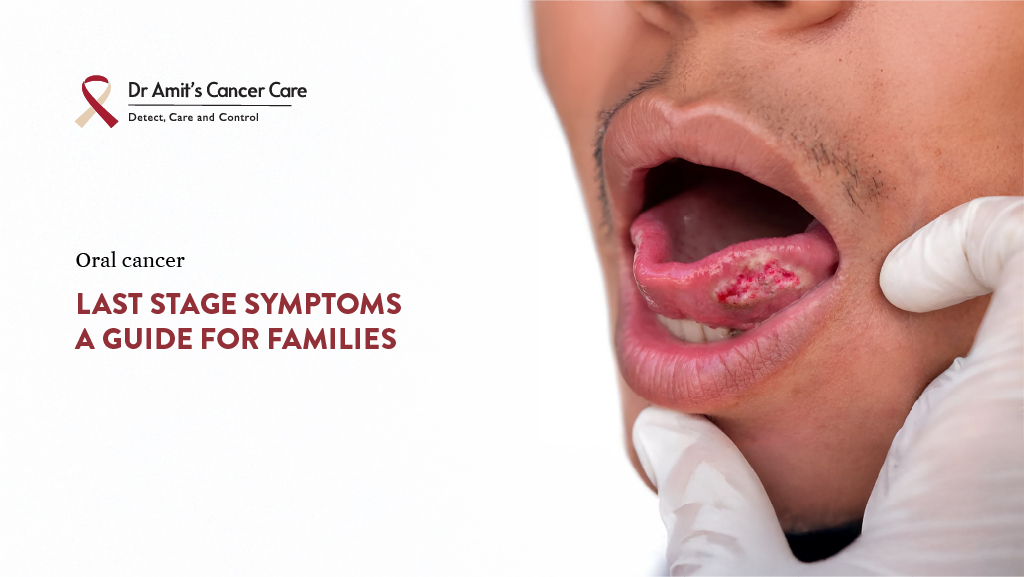
Hard lumps may develop in the mouth, jaw, or neck as the cancer spreads to lymph nodes. Non-healing ulcers, often painful and prone to bleeding, can appear on the tongue, inner cheeks, or gums. These ulcers may become infected or emit a foul odour. In many cases, persistent ulcers are what lead patients to seek medical attention. It’s important to know that these sores are quite different from benign lesions, which is why understanding the distinction between oral cancers and mouth ulcers is crucial.
4. Difficulty Swallowing and Speaking
As tumours grow, they may block or compress the throat and tongue, making swallowing difficult or painful. Even soft foods can become impossible to eat. Speech may also be affected, leading to slurring or a muffled voice. In some cases, patients are unable to speak at all. These challenges are both physically limiting and emotionally distressing.
5. Fatigue and Weight Loss
Because eating becomes painful and physically exhausting, patients may experience rapid weight loss, malnutrition, and fatigue. The body is also using more energy to fight the disease, which contributes to constant tiredness. Over time, this can lead to frailty and weakness, affecting a person’s ability to move or sit up comfortably.
6. Spread to Other Organs
In cancer last stage, the disease may spread (metastasise) to distant organs. If it spreads to the lungs, symptoms may include persistent coughing, wheezing, or breathlessness. Bone metastases can cause severe pain and increase the risk of fractures. Liver involvement may lead to jaundice, bloating, or abdominal pain. These complications require palliative management, as they significantly affect the patient’s quality of life.
7. Emotional and Psychological Changes
In the final stage of oral cancer, emotional and psychological changes such as depression, confusion, mood swings, and social withdrawal are common. These changes can be distressing for both the patient and their family. Providing emotional support, maintaining open communication, and involving palliative care teams or counselors can help ease this burden and improve overall well-being during this time.
Why Do People Miss Early Signs?
Many people diagnosed in the advanced stage of oral cancer report that their first symptoms were subtle or painless. A small sore in the mouth, for instance, may have seemed like a minor ulcer. It’s easy to dismiss these signs, especially when they resemble common issues like fungal infections, stress-related ulcers, or injuries from biting the cheek.
That’s why recognising the early symptoms of oral cancer can be life-saving. A sore that doesn’t heal within two weeks, or red and white patches that change in shape or bleed, should always be checked by a healthcare professional.
Are Some Types of Oral Cancer More Aggressive?
Yes. While most oral cancers are squamous cell carcinomas, certain subtypes behave more aggressively than others. Tumours affecting the base of the tongue or the floor of the mouth, for instance, often spread quickly and may not cause pain in the early stages.
If you’d like to learn more about the biological behaviour of different oral cancers, this overview of the types of oral cancer may offer helpful context, especially for understanding treatment decisions.
What Treatment Is Available in Stage 4 Oral Cancer?
In stage 4 oral cancer, curative treatment may no longer be effective. At this point, the medical team may recommend palliative care, which focuses on symptom management, comfort, and maintaining the best possible quality of life.
Palliative options may include:
- Radiation to reduce tumour size and pain
- Strong pain medications, including opioids
- Nutritional support through feeding tubes or dietary changes
- Speech and physical therapy
- Emotional counselling or spiritual support for the patient and family
If you’re exploring care options, you can learn about comprehensive oral cancer treatment in Mumbai from specialists who are experienced in managing both early and advanced cases.
How Families Can Help?
Caring for someone in the final stages of oral cancer can be emotionally and physically demanding. Here’s how you can provide meaningful support:
- Offer small, easy-to-swallow meals and plenty of hydration
- Help with daily tasks like brushing teeth or maintaining comfort
- Encourage non-verbal communication, like writing or gestures, if speech is impaired
- Create a calm, familiar space where the patient feels safe
- Express your wishes regarding care and comfort in an open conversation when it’s suitable.
- Seek out counselling or support groups to manage caregiver stress
Final Thoughts
Knowing what to expect from oral cancer’s last-stage symptoms can help you be more prepared physically, emotionally, and mentally. From pain and swelling to difficulty speaking and weight loss, each symptom signals that the disease has progressed. But this doesn’t mean there’s nothing more to do. With good palliative care and a strong support system, patients can still experience moments of peace, dignity, and connection.
If you suspect oral cancer or have a family history of the disease, don’t wait. Book your consultation with Dr. Amit Chakraborty.


 Jun 25, 2024