What if a small sore in your mouth turned out to be something far more serious? Oral cancer can begin as an innocuous ulcer, a white patch, or a painless lump—changes that are easy to ignore. Yet early detection makes treatment simpler and outcomes far better. The key is understanding that “oral cancer” is not one disease but a group of malignancies arising in different tissues of the lips, tongue, cheeks, palate, and throat. Each type carries its own behavior, risk factors, and treatment approach.
This guide outlines the most important forms of oral cancer, who is most at risk, and why timely specialist care matters.
Understanding Oral Cancer: One Region, Many Diseases
Before diving into the specific types of mouth cancer, it helps to understand that the oral cavity and oropharynx house a range of cell types: flat squamous cells lining every surface, mucus-secreting salivary cells, pigment-producing melanocytes, and even connective-tissue cells in bone and muscle. Any of these can transform into cancer. While squamous cell carcinoma (SCC) forms the majority, other malignancies, though less common, can be equally aggressive if overlooked.
Knowing the differences between the types of oral cancers in humans helps clinicians craft precise treatment plans and gives patients realistic expectations.
Recognizing the different types of oral cancer allows clinicians to tailor surgery, radiation, or immunotherapy with greater precision.
Types of Oral Cancer You Should Know
1. Squamous Cell Carcinoma (SCC)
Squamous Cell Carcinoma (SCC) is the most common oral cancer, accounting for roughly nine out of ten cases worldwide.
Where it shows up: You’ll typically find it on the sides of the tongue, under the tongue, inside the cheeks, on the gums, or on the lower lip.
- How it looks: It might appear as a sore that won’t heal, a red or white patch, or a rough area that bleeds when touched.
- What raises your risk: smoking, drinking alcohol, too much sun exposure on the lips, poor oral hygiene, and certain strains of HPV (like type 16).
- Why it matters: SCC doesn’t just sit still; it can spread into nearby tissues or lymph nodes in the neck. Early detection makes a big difference, often allowing for successful treatment with surgery or radiation. In later stages, chemo or immunotherapy may be needed, but outcomes are usually less favorable.
2. Verrucous Carcinoma
Less common and slow to grow, this cancer accounts for under 5% of oral cancer cases.
Where it shows up: Common in the gums, inner cheeks, or tongue—especially in people who use chewing tobacco or snuff regularly.
- How it looks: Think of a thick, bumpy, wart-like growth that resembles a cauliflower. It may not seem aggressive at first, but it can become deeply invasive over time.
- What raises your risk: Long-term use of smokeless tobacco products or betel quid.
Why it matters: Rarely spreads distantly but can locally destroy tissue. Wide surgical excision is curative in most cases; radiation is usually avoided to prevent aggressive change.
3. Salivary Gland Cancers
These can develop in any of the hundreds of minor salivary glands throughout the mouth or in the three major glands: parotid, submandibular, and sublingual.
Adenocarcinoma: A rare cancer making up less than 1% of oral tumors. It usually appears as a firm lump under the tongue or the roof of the mouth. The cause isn’t always clear, but previous radiation exposure increases the risk. Treatment typically involves removing the affected gland and possibly follow-up radiation.
- Mucoepidermoid Carcinoma: This is the most common type of malignant salivary gland tumor. It may grow slowly or quickly, depending on the grade. It often shows up as a painless swelling near the parotid gland, palate, or inside the cheek. Surgery is the main treatment, with radiation added for more aggressive cases.
4. Oral Melanoma
A rare but very aggressive form of oral cancer.
Where it shows up: Most often on the hard palate or upper gum.
- How it looks: A dark patch or nodule—brown, black, or blue—that may change color, grow, or bleed.
- What raises your risk? Still not well understood. Unlike skin melanoma, sun exposure isn’t a major factor.
- Why it matters: Oral melanomas spread fast. Early diagnosis and wide surgical removal, often paired with immunotherapy, give the best shot at control.
5. Lymphoma in the Mouth
Though rare in the general oral cavity, it’s more likely to appear in lymph tissue like the tonsils or the base of the tongue.
Where it shows up: Back of the mouth, especially the tonsils or tongue base.
- How it looks: A painless, enlarging mass or lump—often with general symptoms like night sweats or unexplained weight loss.
- How it’s treated: mainly with chemotherapy and targeted medications. Surgery is usually just for diagnosis.
6. Sarcoma
A very uncommon cancer that affects either the bone or soft tissues of the mouth.
Where it shows up: the jawbone (as osteosarcoma) or soft tissues like the cheek (as fibrosarcoma).
- How it looks: A fast-growing lump that may cause numbness or make teeth feel loose.
- How it’s treated: Requires specialized surgery and chemotherapy. Prognosis depends on how large and aggressive the tumor is when found.
Recognising Symptoms Early
Across all types, warning signs tend to overlap:
- Mouth sore or ulcer that does not heal in two weeks
- Persistent red, white, or mixed patch
- Lump or thickening in the cheek, tongue, or neck
- Difficulty chewing, swallowing, or moving the tongue
- Unexplained bleeding or numbness
- One tonsil significantly larger than the other without infection
If you notice any of these, seek a professional evaluation rather than waiting “to see if it goes away.”
Shared Risk Factors
Tobacco—cigarettes, cigars, pipes, snuff, and chewing tobacco—all deliver carcinogens directly to mouth tissues.
- Alcohol—heavy consumption irritates mucosa and, when combined with tobacco, multiplies cancer risk.
- HPV infection—high-risk strains, especially HPV-16, elevate risk for cancers in the throat and some areas of the tongue.
- Sun-protected lips are prone to squamous cell changes.
- Poor oral hygiene and chronic irritation—sharp teeth, ill-fitting dentures, or long-standing ulcers—can set the stage for malignancy.
Diagnosis and Staging
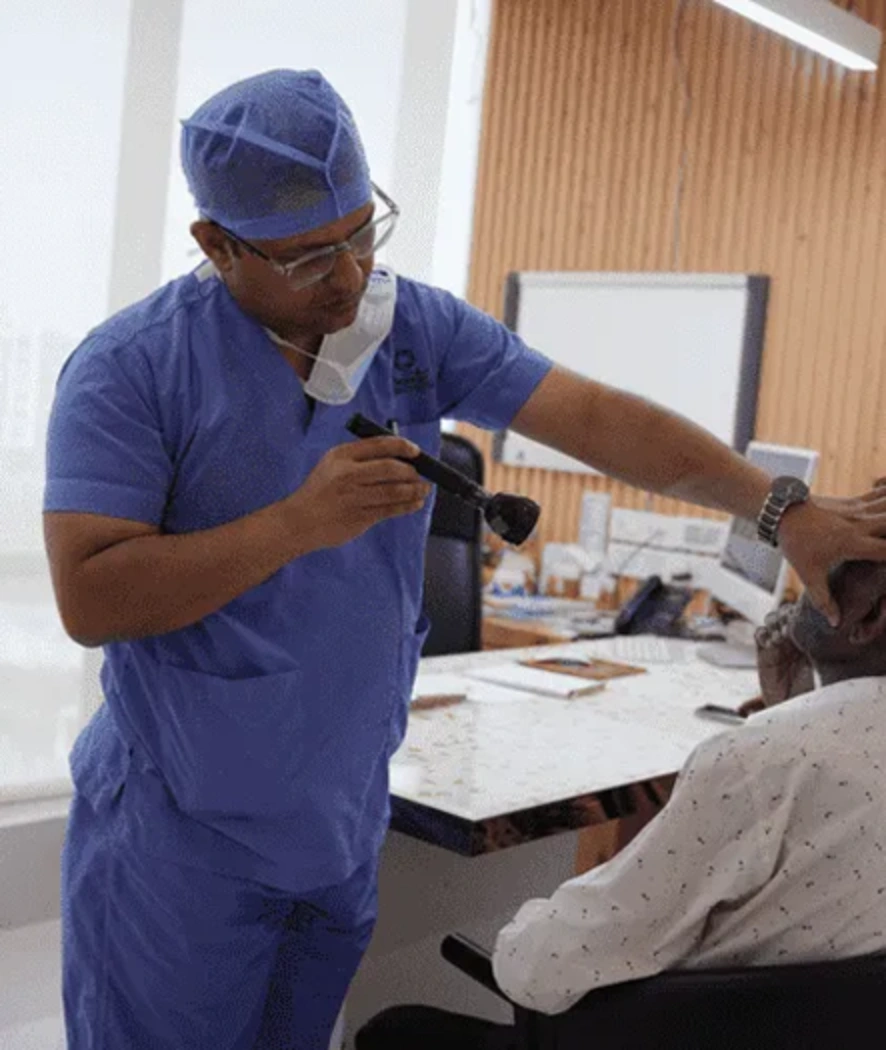
Clinical exam: A dentist or head-and-neck surgeon inspects and palpates the entire oral cavity and neck.
- Imaging: MRI, CT, or ultrasound maps the tumor’s depth and checks for lymph node spread.
- Biopsy: Confirms the exact tumor type and grade.
- Staging: The TNM system gauges size (T), nodal involvement (N), and distant spread (M). Accurate staging guides the choice of surgery, radiation, chemotherapy, or new modalities such as immunotherapy.
For a deeper understanding of available screening tools, explore our complete guide to screening tests for oral cancer and learn when they are recommended.
Treatment Overview
Although the table below summarizes the main types of oral cancers in humans, every plan is adapted to tumor site, stage, and overall health.
Cancer Type |
Mainstay Therapy |
Additional Options |
|
SCC |
Surgery; ± radiation, chemotherapy |
Immunotherapy for unresectable or recurrent disease |
Verrucous |
Wide local excision |
Topical or laser for very early lesions |
|
Adenocarcinoma |
Surgical gland removal |
Postoperative radiation if margins close |
|
Mucoepidermoid |
Surgery; grade-dependent radiotherapy |
Close follow-up for high-grade variants |
|
Melanoma |
Wide excision; possible neck dissection |
Immunotherapy, targeted drugs |
|
Lymphoma |
Chemotherapy, targeted agents |
Radiotherapy selected cases |
|
Sarcoma |
Surgery plus chemotherapy |
Radiation case-by-case |
Every patient’s plan is individualized according to tumor site, stage, health status, and personal goals.
Nutritional care plays a vital role in healing and recovery. Learn how a targeted diet can help by reading our post on diet for oral cancer patients.
Importance of Early Detection
Survival is strongly linked to the stage of diagnosis. Early-stage squamous cell lesions carry five-year survival rates above 80 percent, whereas late-stage cancers can fall to 40 percent or lower. Routine dental checkups, self-exams with good lighting, and prompt attention to persistent mouth changes remain the best.
When to See a Specialist?
Seek immediate assessment if you experience:
- A sore or patch lasting beyond two weeks
- Persistent hoarseness or swallowing difficulty
- Unexplained lump in the neck or jaw
- Recurrent bleeding in the mouth
- Sudden tooth loosening without dental cause
Timely referral to a head-and-neck cancer specialist provides access to advanced imaging, biopsy, and a multidisciplinary team for optimal care.
Final Thoughts: Partnering for Better Outcomes
Oral cancer is not a single enemy but a collection of diseases that require expert identification and personalized treatment. Lifestyle changes, quitting tobacco, and practicing safe sun and HPV-risk behaviors reduce your chances of developing these cancers. Still, vigilance is essential: any suspicious change in the mouth demands a professional look.
Dr. Amit Chakraborty in Mumbai offers comprehensive evaluation and customized therapy for the full range of oral and head-and-neck cancers, from early lesions to complex advanced tumors. With state-of-the-art diagnostics and a compassionate approach, Dr. Chakraborty tailors care to each patient’s needs, ensuring the highest standards of treatment and support.
Take the first step toward peace of mind. Book a consultation today to discuss any oral concerns, schedule a cancer screening, or explore treatment options. With early action and expert guidance, you can face oral cancer with confidence and hope.
Curious about recovery outcomes and prognosis? Read our detailed post on is mouth cancer curable to understand factors that influence survival rates and treatment response.
Read more blogs:



 Apr 30, 2025