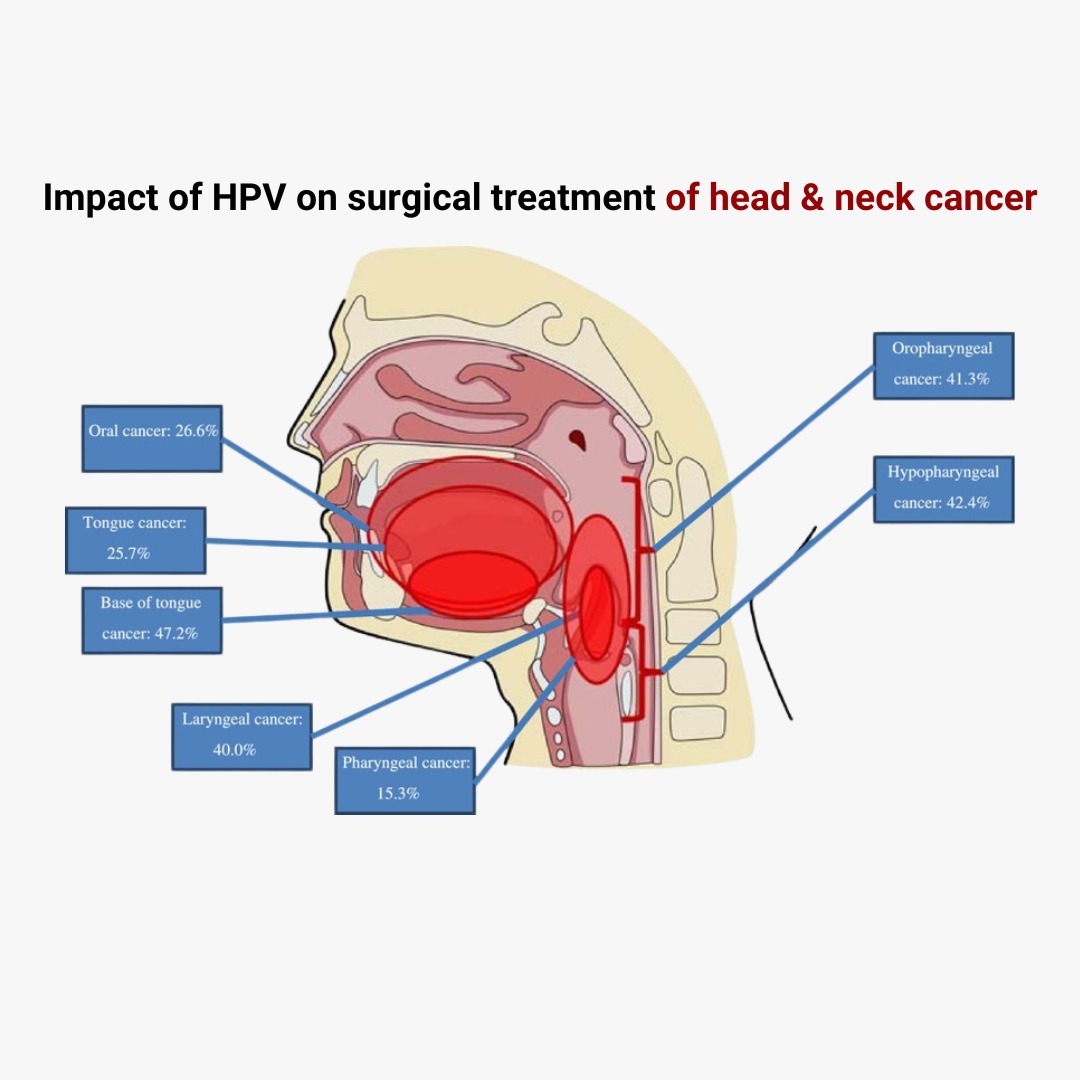

Every year, numerous people worldwide are affected by different oral cancer stages. Yet many remain unaware of the threats it can cause not only to the mouth but also to the surrounding areas. What makes oral cancer particularly concerning is that most mouth cancers appear on the tongue and tonsils. These are areas that are often overlooked during routine self-examinations.
Here in India, we face a particularly severe burden when it comes to oral cancer. The statistics are significant: oral cancer is the most common cancer among Indian men (11.28% of all cancers), and the fifth most frequently occurring cancer among women (4.3% of all cancers).
Oral cancer is a malignant growth that can develop in any part of the mouth, such as your lips, tongue, gums, the floor and roof of your mouth, and even the inside of your cheeks. The definition also extends to cancers of the throat, tonsils, and salivary glands and falls under the umbrella term of head and neck cancers.
However, the prognosis for oral cancer varies depending on the stage of its detection. The chances of survival are significantly higher in cases of early-stage oral cancer. This is exactly why understanding the stages of oral cancer becomes so crucial, not only for doctors but for the patients and survivors.
In the following sections, we will walk through different stages of oral cancer, explore what symptoms to watch for, and discuss the survival rates associated with each stage. This knowledge aims to help you understand what these stages mean and why early detection can make all the difference in treatment outcomes.
How to Classify the Stages of Cancer?
When doctors need to determine how advanced a cancer is, they use two main approaches to classify it. The type of mouth cancer stages is broadly classified into two types: stage-wise classification and TNM staging. Each method provides valuable information, but they work in different ways to help medical professionals understand the extent of the disease and plan the most effective treatment approach.
Stage-wise Classification:
Oral cancer is typically classified into four stages, ranging from early, localized tumors to advanced cases involving lymph nodes or distant organs. Understanding each stage helps determine the most effective treatment approach and prognosis.
1. Stage 0 Oral Cancer
- This oral cancer initial stage is also known as carcinoma in situ, which means “cancer in place”
- Cancer remains confined to the epithelium, which is the outermost layer of tissue lining the oral cavity or oropharynx
- Abnormal cells haven’t invaded deeper tissue layers, nearby structures, or lymph nodes
2. Stage 1 Oral Cancer
- Oral cancer first stage symptoms represents small, localized tumors that are manageable
- Primary tumor measures 2 centimeters across or smaller (roughly the size of a grape or smaller)
- Cancer has not spread to nearby structures, lymph nodes, or distant sites in the body
3. Stage 2 Oral Cancer
- Tumor measures between 2 to 4 centimeters across (about the size of a walnut)
- Tumor has grown larger but remains localized but has not spread to nearby structures, lymph nodes, or distant sites
- Treatment focuses on the primary tumor location
4. Stage 3 Oral Cancer
Stage 3 oral cancer can present in two different scenarios:
First scenario:
- Tumor has grown larger than 4 centimeters across
- No cancer cells found in nearby structures, lymph nodes, or distant sites
Second scenario:
- Tumor can be any size, but has not grown into nearby structures or distant sites
- Cancer cells were detected in one lymph node on the same side of the head or neck as the primary tumor
- Affected lymph node measures smaller than 3 centimeters across
5. Stage 4 Oral Cancer
Oral cancer last stage symptoms appears in this most advanced stage, which is further divided into three subcategories:
Stage 4A Oral Cancer
This stage can occur in two ways:
T4a tumors:
- Cancer has grown into nearby structures and may be any size
- Cancer cells may or may not be present in lymph nodes
- If lymph nodes are involved, they are found in one lymph node on the same side as the primary tumor
- Affected lymph node measures smaller than 3 centimeters
- Cancer hasn’t spread to distant sites
N2 involvement:
- Tumor can be any size and may or may not have invaded nearby structures
- Shows significant lymph node involvement in one of these patterns:
- Cancer cells in one lymph node on the same side, measuring 3-6 centimeters
- Cancer cells in one lymph node on the opposite side measuring less than 6 centimeters
- Cancer cells in two or more lymph nodes smaller than 6 centimeters on either side of the head or neck
Stage 4B Oral Cancer
- Represents advanced local or regional disease
- Tumor has grown extensively into nearby structures
- Significant lymph node involvement beyond what is seen in Stage 4A
Stage 4C Oral Cancer
- Most advanced stage, cancer metastasized to distant sites
- Distant spread most commonly occurs to the lungs
- Tumor can be any size, and lymph nodes may or may not be involved
- The defining characteristic is the presence of distant metastases
TNM Classification System
The TNM staging of oral cancer, developed by the American Joint Committee on Cancer, is a standardized system that evaluates three key components of the disease:
Understanding TNM Basics
- T (Tumor): Size of the original tumor
- N (Node): Whether cancer has spread to lymph nodes
- M (Metastasis): Whether cancer has spread to other body parts
How the scoring works:
- Each factor gets a number (0-4) or letter X
- Higher numbers = more severe cancer
- Letter X = information couldn’t be assessed
- Example: T1 means a smaller tumor than T2
T Categories (Tumor Size and Spread)
These describe the primary oral cancer tumor:
- TX: Can’t assess the primary tumor
- T0: No primary tumor found
- Tis: Cancer only in top cell layers (carcinoma in situ) – hasn’t invaded deeper tissues
- T1: Tumor is 2 cm or smaller
- T2: Tumor is 2-4 cm across
- T3: Tumor is larger than 4 cm
T4 (Advanced tumors) – divided into two levels:
T4a (Moderately advanced):
- Tumor growing into nearby structures
- For oral cavity cancers: spreading to jaw/face bones, deep tongue muscle, facial skin, or maxillary sinus
- For lip cancers: spreading to nearby bone, jaw nerve, mouth floor, or chin/nose skin
T4b (Very advanced):
- Tumor has grown through nearby structures into deeper areas
- May include: spreading to skull bones, surrounding major arteries, or growing into the chewing muscle area
N Categories (Lymph Node Involvement)
These describe if and how cancer has spread to the lymph nodes:
- NX: Can’t assess nearby lymph nodes
- N0: No spread to nearby lymph nodes
- N1: Spread to one lymph node on same side as tumor, smaller than 3 cm
- N2: More extensive lymph node involvement:
- N2a: One lymph node on same side, 3-6 cm across
- N2b: Two or more lymph nodes on the same side, all smaller than 6 cm
- N2c: Lymph nodes on both sides of the neck or opposite side, all smaller than 6 cm
- N3: Spread to the lymph node larger than 6 cm
M Categories (Distant Spread)
These describe whether cancer has spread to distant body parts:
- M0: No distant spread detected
- M1: Cancer has spread to distant sites outside the head and neck (like lungs, liver, or bones)
Survival Rates in Oral Cancer
Understanding survival rates is crucial for the prognosis of oral cancer and highlights the importance of early detection and treatment. However, it is important to remember that these are statistical averages, and individual outcomes can vary significantly based on many factors including overall health, treatment response, and access to care.
Overall Survival Statistics in India
According to the “Oral cancer statistics in India” as published in the National Library of Medicine, the following data provides insight into current survival patterns:
- Overall 5-year survival rate: 37.2% across 10 Indian cancer registries
- Range varies significantly: From as low as 20.9% to as high as 58.4% depending on the region
- Gender differences:
- Men: 36.0% (range 20.7% to 59.3%)
- Women: 39.6% (range 21.4% to 54.8%)
Urban vs Rural Divide
One of the most striking findings is the significant gap between urban and rural survival rates:
- Urban patients: 48.5% five-year survival rate
- Rural patients: 34.1% five-year survival rate
Why does this difference exist?
- Delayed diagnosis in rural areas due to limited healthcare access
- Fewer specialized treatment facilities in rural regions
- Higher prevalence of risk factors like tobacco and betel nut use in rural communities
- Limited awareness about early symptoms and screening
The Late Diagnosis Challenge
One of the most concerning issues with oral cancer in India is how late most cases are diagnosed.
- Around 60–80% of oral cancers are detected at Stage III or IV, compared to just ~40% in developed countries.
- This delay severely affects outcomes, even though the stage 1 oral cancer survival rate is relatively high when diagnosed early.
- The stage 2 oral cancer survival rate also remains favorable but begins to decline as the disease progresses.
- A significant drop is seen in the stage 3 oral cancer survival rate, for example:
- Localized tongue cancer: 54.3% five-year survival
- Advanced tongue cancer: Only 3.1% five-year survival
- Other oral sites: 60.2% (localized) vs 3.3% (advanced)
Putting It in Global Context
When compared to high-income countries, India’s survival rates highlight significant room for improvement:
- India’s average: ~37% five-year survival
- High-income countries: >60% five-year survival
- This gap primarily stems from late-stage diagnosis and limited access to comprehensive treatment
What These Numbers Mean for Prevention and Care
These statistics underscore several critical points:
- Early detection saves lives: The dramatic difference between localized and advanced cancer survival rates shows why screening and awareness are crucial
- Geographic equity matters: The urban-rural divide suggests that expanding healthcare access to rural areas could significantly improve outcomes
- Regional interventions needed: Areas with lower survival rates would benefit from targeted programs like mobile screening units and awareness campaigns
- Healthcare infrastructure investment: The regional variations highlight where additional resources and specialized centers are most needed
While these statistics might seem concerning, they also point toward clear opportunities for improvement through better awareness, earlier detection, and improved access to quality care across all regions of India.
Conclusion
Understanding oral cancer stages and survival rates reveals a crucial truth: early detection dramatically improves outcomes. The stark difference between early-stage and advanced-stage survival rates shows why recognizing symptoms early is vital.
Whether you’re experiencing persistent mouth sores, unexplained lumps, or changes in your oral cavity, these symptoms should never be ignored. The disparity in survival rates also highlights the importance of seeking specialized care from experienced oncologists.
Don’t Delay – Get Expert Care Today
If you have concerns about oral cancer, unusual symptoms, or need a second opinion, don’t wait. Early intervention can make all the difference.
Dr. Amit Chakraborty offers:
- Comprehensive oral cancer screening and early detection
- Expert second opinions for existing diagnoses
- Advanced treatment options tailored to your condition
- Compassionate care throughout your journey
Don’t let uncertainty delay your path to healing. Clear your oral cancer-related doubts and get the expert treatment you deserve.
Take action today: Visit Best oral oncologist in Mumbai to schedule your consultation and take the first step toward expert care and peace of mind.
Read more blogs:
FAQs



 Jul 02, 2025