
Detecting throat cancer early gives you the best chance of successful treatment and recovery. Many early signs can feel like common throat problems, which is why patients often overlook them. This guide explains how to detect throat cancer early, when to see a doctor, and why professional testing is essential. Everything here is written in a way that patients and families can easily understand.
Throat cancer cannot be diagnosed at home, but you can learn which symptoms matter and when to seek care. Early awareness truly makes a difference.
What Exactly Is Throat Cancer?
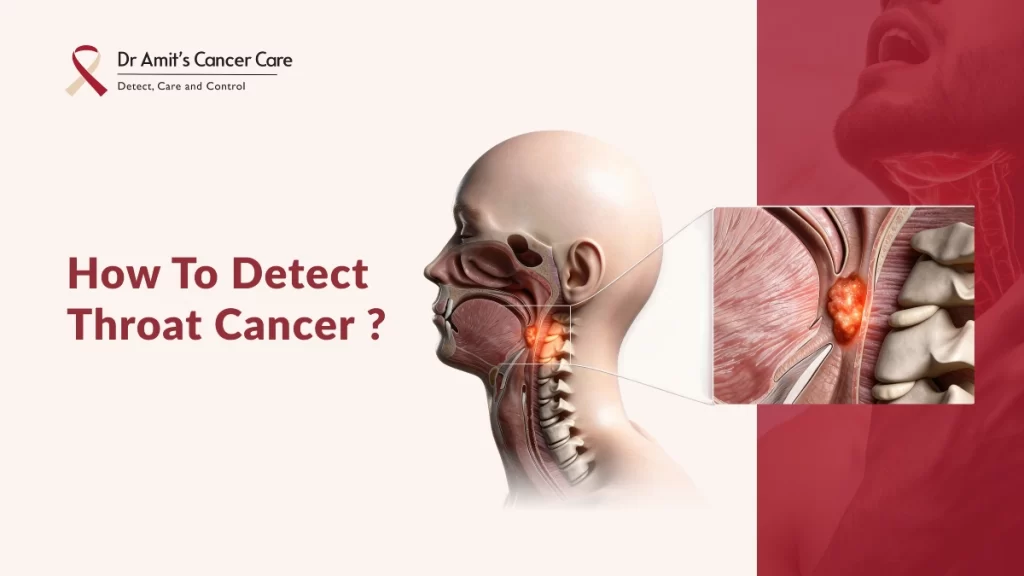
Throat cancer is a type of cancer that develops in the tissues of the throat. The throat is not a single area. It includes multiple regions, and cancer can form in different parts of it.
Throat cancer most commonly begins in the following areas:
- Pharynx (the tube-like area behind the nose and mouth)
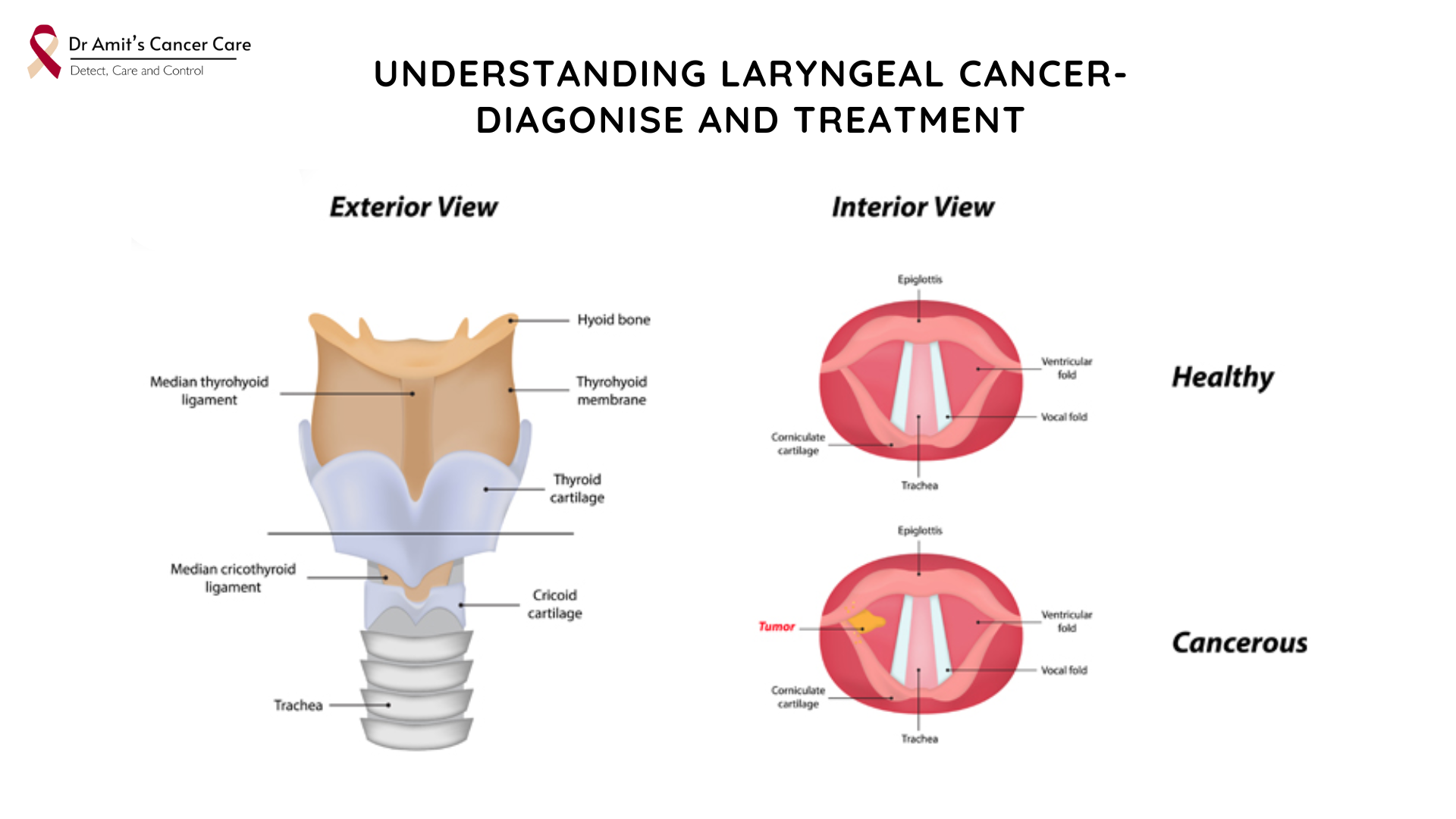
- Larynx (also known as the voice box, which helps you speak)
Both types of throat cancer share many early warning signs, which is why identifying symptoms early is so important.
Oncologists explain that throat cancer is much easier to treat when detected early because the tumours are smaller and less likely to spread. This makes understanding how to detect cancer in the throat an important first step toward getting timely diagnosis and treatment.
Risk Factors
Some groups should be extra alert to symptoms:
- Smoking or use of any tobacco
- Heavy alcohol use
- HPV infection
- Low fruit and vegetable intake
- Long-term acid reflux
- Exposure to chemicals or pollutants
HPV vaccination offers strong protection against HPV-related throat cancers, especially when given before exposure.
How to Detect Throat Cancer Early by Recognising Symptoms
The biggest clue is symptoms that do not improve after two to three weeks. If something feels “off” in your throat and it lingers, it is always safer to get checked.
Here are the most important symptoms to watch for:
1. Persistent sore throat
A sore throat that lasts more than two to three weeks, especially one that feels deep or spreads to the ears or jaw, is a key early sign. Normal infections usually improve much sooner.
2. Hoarseness or voice changes
If your voice becomes quieter or changes in pitch without improving, this may be an early sign of cancer in the voice box. Changes may be mild at first but become more noticeable over time.
3. Trouble swallowing
You may feel pain, a burning sensation, or the feeling that food is getting stuck. This can slowly worsen.
4. Persistent cough or blood in phlegm
A cough that lasts several weeks needs attention. Coughing up blood or blood-tinged mucus should be checked immediately.
5. A lump or swelling in the neck should be evaluated.
A painless lump in the neck can come from swollen lymph nodes. Even if it does not hurt, it should be examined.
6. Ear pain without infection
Throat problems can sometimes cause ear pain because the two areas share nerves. Persistent ear pain is a red flag.
7. Other possible symptoms
- Blocked nose or nosebleeds
- White patches inside the mouth
- Weight loss without trying
- Headaches or facial pain
- Noisy breathing in later stages
If you notice any of these, you now understand how to detect throat cancer at an early stage by paying attention to the patterns and persistence of symptoms.
How to Detect Throat Cancer at Home Safely
Patients often want to know how to detect throat cancer at home, but it is important to understand the limits.
What you can look for
- Voice changes
- Long-lasting sore throat
- Painful swallowing
- New lumps in the neck
- Ear pain
- Persistent cough
Keeping a symptom diary can help your doctor understand the timeline.
What you cannot do at home
- You cannot diagnose throat cancer yourself.
- You cannot see deep inside your throat.
- You cannot confirm if a lump is cancer.
- You cannot replace medical tests with home checks.
Home observation helps you know when to seek care, but only a professional exam provides real answers.
When to See a Healthcare Provider
The two- to three-week rule
Most medical organisations, including the American Cancer Society, recommend seeing a doctor if throat or voice symptoms last longer than two to three weeks.
Seek immediate care if you have
- Severe trouble breathing or swallowing
- High fever that does not come down
- Inability to turn your head comfortably
- Blood in saliva or mucus
- Sudden weight loss
- Rapidly worsening voice changes
Early medical evaluation is one of the safest ways to detect throat cancer before it progresses.
How Doctors Diagnose Throat Cancer
Patients can recognise symptoms, but only a doctor can confirm the diagnosis. This is an important part of understanding how to detect cancer in the throat accurately.
Here are the most common tests:
1. Indirect laryngoscopy
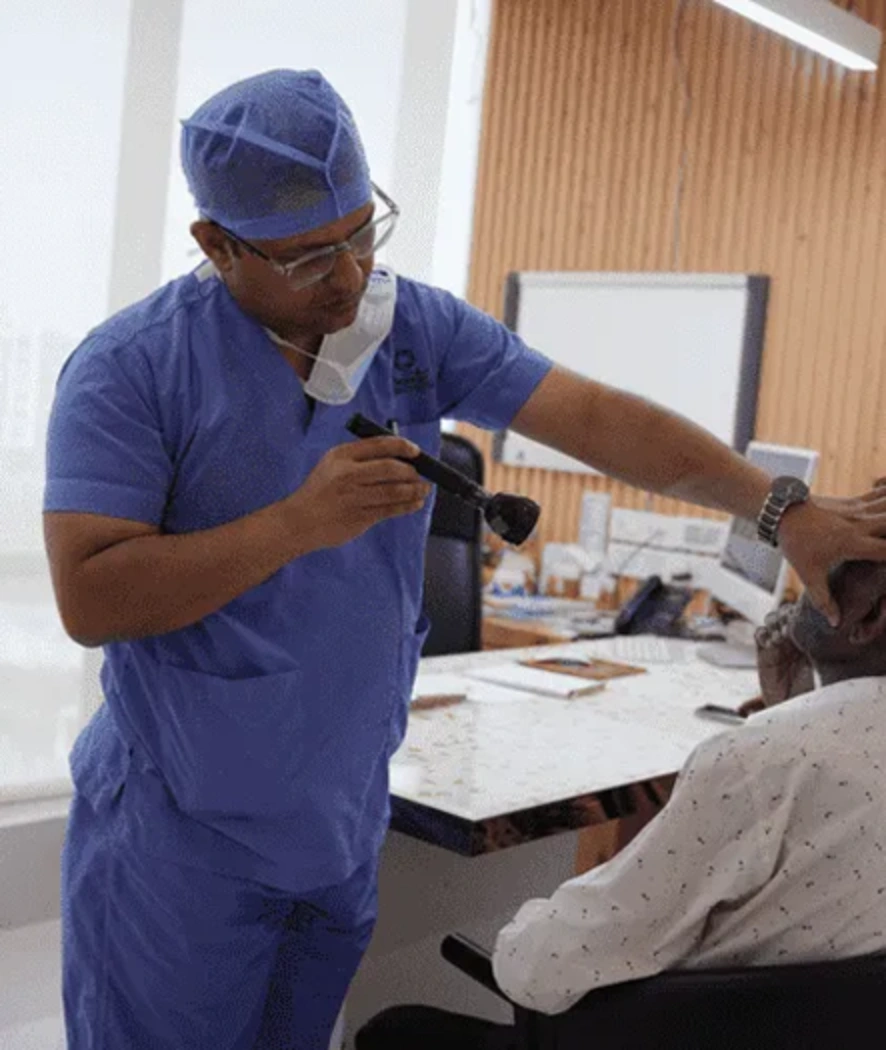
A small mirror and light help the doctor check the throat. This is quick and done in the clinic.
2. Endoscopy or nasoendoscopy
A thin tube with a camera is inserted through the nose so the doctor can see the throat clearly. This test takes only a few minutes.
3. Laryngoscopy
This provides a detailed look at the vocal cords and surrounding area.
4. Biopsy
If something looks unusual, the doctor removes a small tissue sample for testing. This is the only test that confirms cancer for sure.
5. Imaging tests
CT scans, MRI scans, or PET scans help determine whether the cancer has spread and what stage it is in. These tests help guide treatment decisions.
Key Patient Takeaway
Detecting throat cancer early starts with knowing which symptoms matter and paying attention to changes that do not go away. Persistent sore throat, voice changes, trouble swallowing, ear pain, or a neck lump lasting more than two to three weeks should never be ignored. While you cannot diagnose throat cancer at home, learning what to look for helps you recognise when something feels unusual and when it may be time to seek medical advice.
Early evaluation by a healthcare professional remains the safest way to understand these symptoms and rule out serious conditions. If you feel uncertain or worried or simply want clarity, speaking with a specialist can provide reassurance and timely guidance.Dr. Amit Chakraborty, a head and neck surgical oncologist, supports patients through this process with careful examinations and personalised advice. If your symptoms persist, considering a consultation may help you take the next step toward understanding your health and getting the care you need.
Reference:
- American Cancer Society. (2021, March 23). Signs and symptoms of oral cavity and oropharyngeal cancer. https://www.cancer.org/cancer/oral-cavity-and-oropharyngeal-cancer/detection-diagnosis-staging/signs-and-symptoms.html


 Aug 20, 2024