
Buccal mucosa cancer develops in the lining inside the cheeks. Most cases are a form of squamous cell cancer, which develops in the flat cells that make up this moist inner surface. Because the buccal mucosa is visible, dentists often detect suspicious lesions during routine exams. Buccal mucosa cancer is relatively uncommon (often cited as 1–2% of oral cancers) and tends to be aggressive, so early recognition and treatment are important.
Common Buccal Mucosa Cancer Symptoms
Early signs of buccal mucosa cancer often include persistent changes in the mouth that don’t heal or go away on their own.
Common Signs to Watch For
Sores inside the cheek that don’t heal and may hurt
- Red, white, or dark patches on the inner cheek
- Bleeding while brushing or eating, not caused by injury
- A lump or thick area in the cheek that doesn’t go away
If the Cancer Grows, Other Symptoms Can Show Up:
Pain or numbness in the cheek or mouth can be an early sign of buccal mucosa cancer.
- Trouble opening the mouth or moving the jaw
- Loose teeth or dentures that no longer fit right
- Ongoing jaw or ear pain, sometimes mistaken for dental problems
- Swelling in the cheek or jaw that doesn’t come from a tooth issue
- Hoarseness or a sensation of a lump in the throat may occur if the cancer spreads to nearby areas.
If you notice a sore, bump, or patch in your cheek that stays for more than two weeks, it’s time to see a doctor or dentist.
Causes and Risk Factors of Buccal Mucosa Cancer
This cancer usually starts when the cells inside the cheek lining go through harmful changes. These changes often come from long-term exposure to certain habits or substances. The most common risk factors include:
Tobacco:
It is the main risk factor for buccal mucosa cancer. Smoking or chewing tobacco, including paan and betel nut, exposes the cheek lining to harmful chemicals that can damage cells and lead to cancer over time.
Alcohol:
Drinking heavily increases the risk, especially when combined with tobacco. Alcohol makes it easier for harmful substances to enter and irritate the tissues.
Betel nut chewing:
This habit is common in some countries and can lead to constant irritation inside the mouth, increasing cancer risk.
HPV infection:
Some types of the human papillomavirus may raise the risk of cancers in the mouth, though it is more strongly linked with throat cancers.
Marijuana use:
Regular, heavy cannabis use may also slightly raise the chances of developing oral cancer.
Poor oral hygiene and diet:
Not caring for the mouth or eating too few fruits and vegetables may contribute to long-term damage and increase cancer risk.
Avoiding tobacco, drinking less alcohol, and taking care of your oral health are the best ways to reduce your chances of getting this cancer.
Diagnosis and Staging
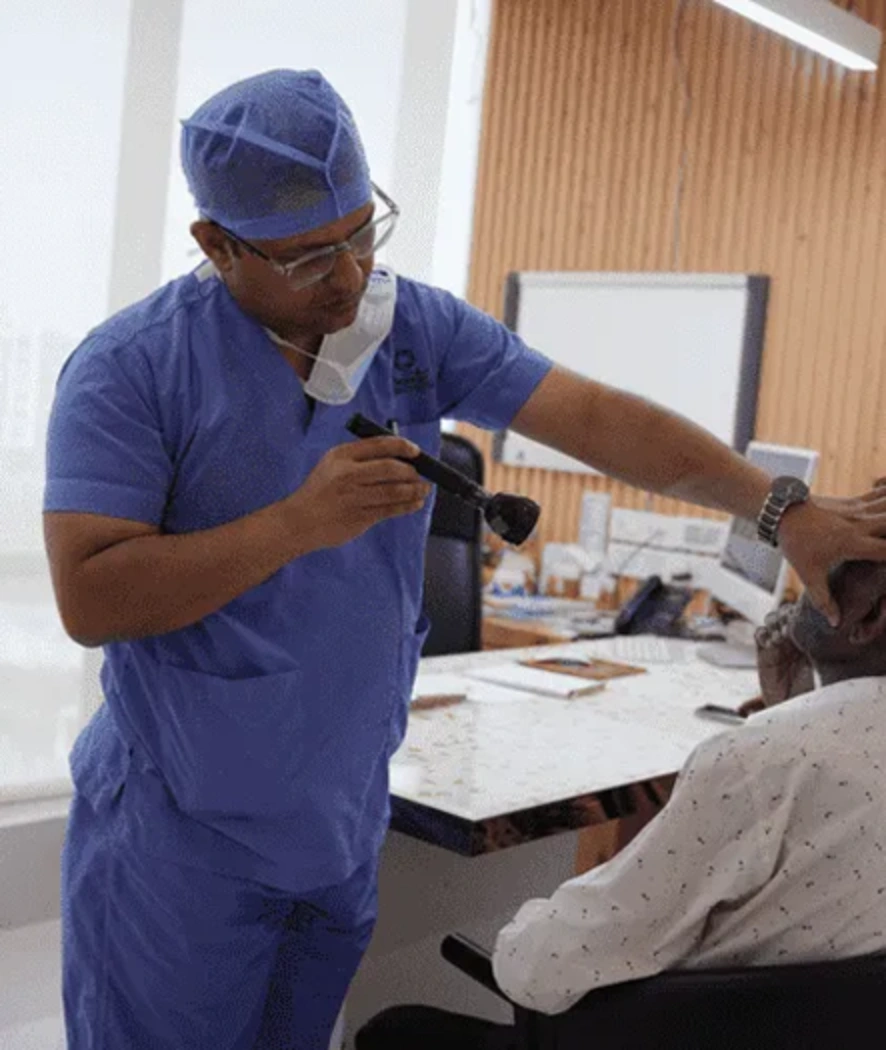
Diagnosis begins with clinical examination and history. Dentists often notice lesions on the buccal mucosa during routine exams. If cancer is suspected, the physician will perform further tests:
- Biopsy: The definitive test is a tissue biopsy. A surgeon or dentist removes a small sample of the suspicious lesion (using a scalpel, punch, brush, or needle) for microscopic analysis.
- Imaging: tests like CT scans, MRI, or PET scans are used to check the size of the tumor and see if it has spread. They help doctors find out if the cancer has reached nearby muscles, bones, or lymph nodes.
- Endoscopy: In some cases, an endoscope (a flexible camera) may be used to check for hidden lesions in the throat or upper digestive tract.
Once confirmed, cancers are staged to guide treatment. Staging uses the TNM system:
- T (Tumor size): How large the primary tumor is.
- N (Nodes): Whether nearby lymph nodes in the neck contain cancer.
- M (Metastases): Whether cancer has spread to distant organs (rare in early stages).
Stage ranges from I (small tumor, no nodes or metastases) to IV (large tumor and/or spread to nodes or distant sites). For example, a stage I tumor is small and confined, while stage III–IV implies lymph node involvement or extensive local growth. Early-stage (I–II) buccal cancers have much better outcomes than stage III–IV.
How Buccal Mucosa Cancer Is Treated?
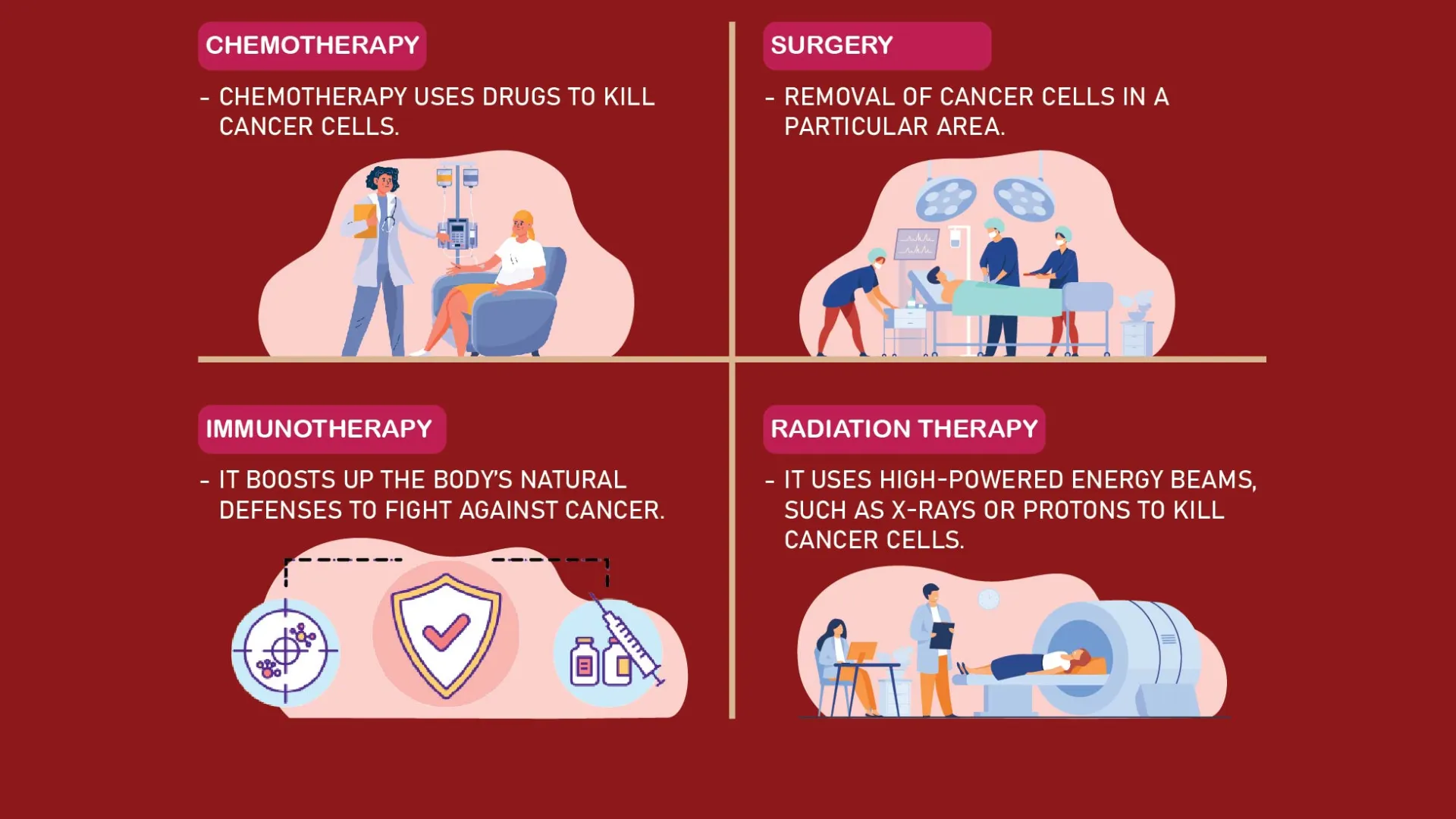
Treatment depends on how much the cancer has spread. In most cases, surgery comes first.
Surgery
The surgeon takes out the tumor along with a margin of healthy tissue around it to ensure all cancer cells are removed. If there’s a chance cancer has reached the neck, lymph nodes in that area are also taken out. After removal, if there’s a large gap or loss of tissue, the area might be rebuilt using skin or muscle from another part of the body to help with chewing and speaking.
Radiation Therapy
Radiation is used to kill any remaining cancer cells. It’s often done after surgery. In smaller cases, radiation alone may be enough. Newer methods can target the cancer closely while sparing nearby tissue.
Chemotherapy
Cancer-fighting drugs are given through the bloodstream. They’re usually used alongside radiation for advanced cancer or when some cancer may have been left behind.
Targeted and Immune-Based Treatments
Some cancers respond to drugs that block specific growth signals. These treatments are sometimes combined with radiation for better results. Immune-based therapies are also being explored, especially for cancer that has come back or spread.
Smaller buccal cancers are often manageable with surgery as the only treatment needed. Larger or more aggressive tumors usually need a mix of treatments. The aim is to remove the cancer, protect function, and prevent it from returning.
Prognosis and Survival
Prognosis depends heavily on stage and promptness of treatment. 5-year survival rates for oral cavity cancers (including buccal mucosa) are roughly in the range of 60–70% overall.
For buccal mucosa cancer, a limited study found that around 53 percent of patients survived five years after diagnosis.(Studies vary by population and stage.) Importantly, early detection greatly improves outcomes.
In summary, while buccal mucosa cancer can be serious, outcomes are generally better when tumors are small and confined. Regular dental checkups and prompt evaluation of oral lesions improve the chance of cure.
Buccal Mucosa Cancer Treatment Costs
Treating buccal mucosa cancer ranges widely in cost because treatment depends on how advanced the disease is and the chosen therapies. At Dr. Amit Chakraborty’s Mumbai center, they make sure you know what to expect from the start.
1. Early Stage Treatment
If the cancer is caught early and confined to the cheek, surgery is usually enough.
- Appointments and scans
- Biopsy
- Surgery (possibly plus reconstruction)
Total cost: ₹1.5–₹2 lakh, unless reconstruction is needed, which can increase the expense.
2. Advanced Stage Treatment
When the cancer has progressed, surgery is just the beginning. You’ll likely need radiation and chemotherapy too.
- Surgery (might include neck dissection or reconstruction)
- Radiation over multiple weeks
- Multiple chemotherapy cycles
- Hospital stay and post-op care
Total cost: ₹5–₹9 lakh spread over 6–12 months.
3. Cutting-Edge Treatments
If you qualify for newer drugs like immunotherapy or targeted therapy, prepare for higher costs:
- Drugs like pembrolizumab can run over ₹2 lakh per dose
- Multiple doses might be needed depending on treatment response
4. Getting Financial Help
Dr. Amit Chakraborty’s team supports you with:
- Insurance paperwork
- Government schemes like Ayushman Bharat or MJPJAY
- NGO or foundation aid
- Flexible payment plans when needed
Identifying buccal mucosa cancer stages accurately is crucial for treatment planning
Why Costs Matter Early
Knowing the likely costs up front means families can plan, avoid delays, and keep treatment on track. At this center, clear costs are part of caring for you—not just the medicine side, but the real-life part too.
Conclusion
Early diagnosis and proper treatment of buccal mucosa cancer can greatly improve outcomes. Knowing the treatment costs helps families plan ahead and avoid delays. With proper care and support, recovery is possible.
At Dr. Amit’s Cancer Care, one of the top centers in Mumbai for head and neck cancer, we focus on early detection, expert surgical care, and clear cost guidance. By combining medical skill with straightforward communication, we help families make confident treatment choices. With personalized care and consistent results, we support each patient on the path to recovery.
Read more blogs:
- Is Head and Neck Cancer Curable? Here’s What Doctors Say
- Post-Treatment Care: Life After Head & Neck Cancer
- 11 Early Signs of Head and Neck Cancer You Should Never Ignore


 Dec 23, 2025