
Surviving cancer is a victory. But healing doesn’t stop when treatment ends; it’s the beginning of a new chapter.
Finishing head and neck cancer treatment is a major milestone. The surgeries, radiation, chemotherapy, or combined therapies that once consumed daily life begin to wind down, and patients are finally free to breathe a little easier. But for many survivors, this relief is mixed with a new set of questions: What now? How do I get back to normal life? Will I ever feel like myself again?
Post-treatment care is just as important as treatment itself. It focuses on recovery, surveillance, managing long-term side effects, and improving your overall quality of life. Whether you’re weeks or months into recovery, understanding what to expect and how to care for yourself can make this phase smoother, safer, and more empowering.
Understanding the Road Ahead
Cancer may be gone, but the impact it leaves behind can be physical, emotional, and functional. You may face:
- Lingering pain or discomfort
- Difficulty swallowing or speaking
- Changes in appearance due to surgery or radiation
- Emotional stress or anxiety
- Fatigue and muscle weakness
- Dry mouth or dental issues
Each patient’s recovery is unique. Some bounce back quickly, while others take months to regain strength. There’s no right pace; the goal is steady progress with the right guidance.
Regular Follow-Ups and Surveillance
Even after treatment ends, routine checkups are essential. Your doctor will recommend a follow-up schedule to:
- Monitor for cancer recurrence
- Manage lingering or late-onset side effects
- Track nutritional and swallowing function
- Ensure mental health and emotional support
These visits usually occur every 1 to 3 months in the first year, then gradually reduce in frequency. Always attend your appointments, even if you feel fine; early detection of recurrence makes a significant difference in outcomes.
Speech, Swallowing, and Physical Rehabilitation
Head and neck cancer treatments often affect vital daily functions. You may notice difficulties in:
- Pronunciation and articulation
- Eating and drinking
- Breathing through your nose or mouth
- Jaw stiffness or limited neck movement
Working with a speech-language therapist or physical rehabilitation specialist can help you regain control over these functions. Therapy is usually customized to your specific type of surgery and radiation exposure.
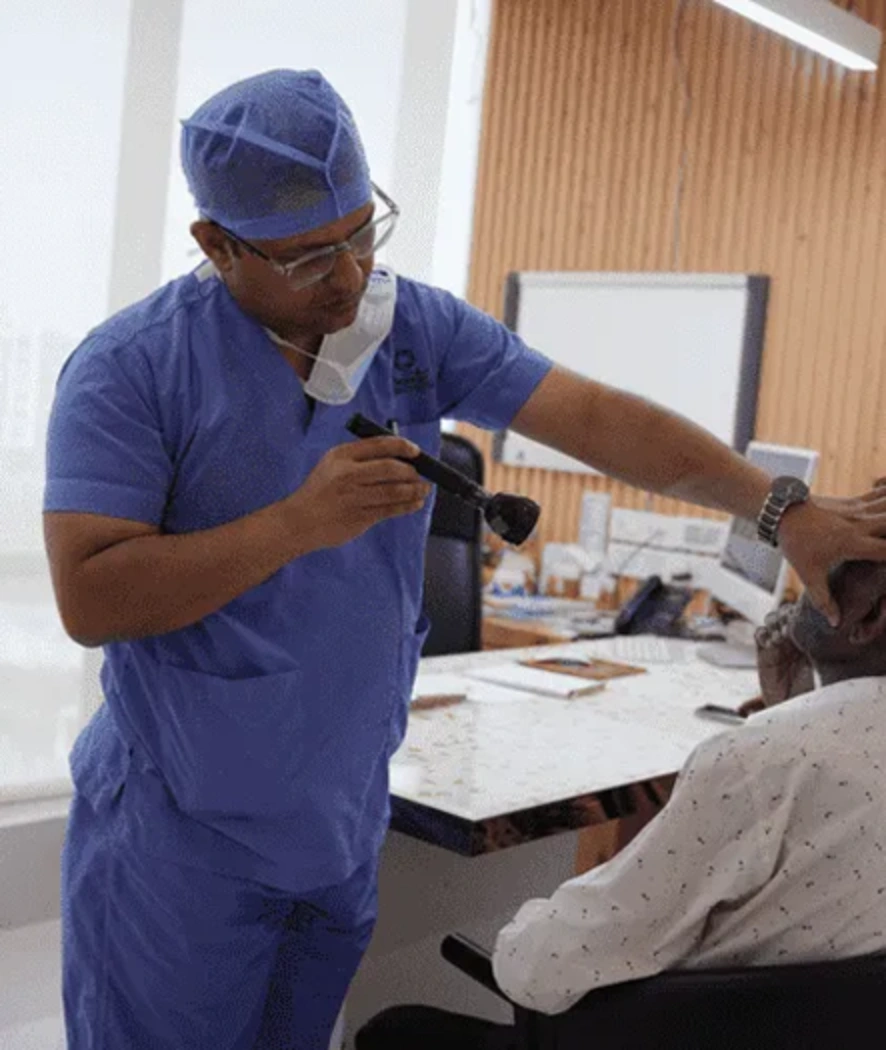
If you’re recovering from a surgical procedure and want a deeper understanding of post-operative care and what healing typically involves, you can watch this helpful video on recovery after head and neck surgery by Dr. Amit Chakraborty. It provides practical insights for patients and caregivers navigating this phase.
Nutrition and Rebuilding Strength
Eating may still be challenging post-treatment. You might experience reduced appetite, changes in taste, or difficulty chewing and swallowing. However, good nutrition remains essential to help your body:
- Rebuild tissue and muscle
- Regain energy and endurance
- Strengthen immunity
- Avoid infections or unplanned weight loss
Soft, high-calorie, protein-rich foods are often recommended during the recovery phase. Consulting a dietitian familiar with oncology care can help you tailor your meals based on your current swallowing ability and digestive tolerance.
Emotional and Mental Health Support
Cancer survivorship comes with complex emotions. While many feel gratitude and relief, it’s also common to experience:
- Anxiety about recurrence
- Depression or sadness
- Isolation from peers
- Post-treatment fatigue or burnout
Joining a support group or talking to a mental health professional can make a huge difference. Emotional healing is just as vital as physical recovery. Surrounding yourself with family, friends, or fellow survivors can help ease the mental burden of survivorship.
Oral Health and Dental Care
Radiation to the head and neck can affect salivary glands, gums, and jawbone. This may lead to dry mouth, increased risk of cavities, or jaw stiffness. Regular visits to a dentist familiar with cancer care are recommended for:
- Preventing and treating oral infections
- Managing dry mouth with saliva substitutes or medications
- Monitoring bone health and gum condition
- Addressing any implant or denture issues
Good oral hygiene and professional dental care are crucial to maintaining your quality of life long after treatment ends.
Returning to Work and Social Life
Going back to work or re-entering your social circles might feel overwhelming at first. Some patients return within weeks; others need more time due to fatigue or emotional recovery. Be gentle with yourself. Communicate openly with your employer about your needs, and don’t hesitate to request flexibility in work hours or responsibilities.
Social life may also feel different. You might look or sound different, and that can affect confidence. Gradual exposure, honest conversations, and self-compassion are key to rediscovering joy in relationships and public life.
Lifestyle Habits That Support Long-Term Recovery
Certain habits can help prevent recurrence and boost your long-term health:
- Quit tobacco and alcohol completely
- Stay physically active with gentle walking or yoga
- Sleep well and manage stress
- Stay hydrated and eat nutrient-dense foods
- Avoid exposure to pollutants or harmful chemicals
Recovery isn’t just about rest; it’s about creating a lifestyle that supports healing and reduces future risk.
Final Thoughts: Recovery Is a Journey, Not a Timeline
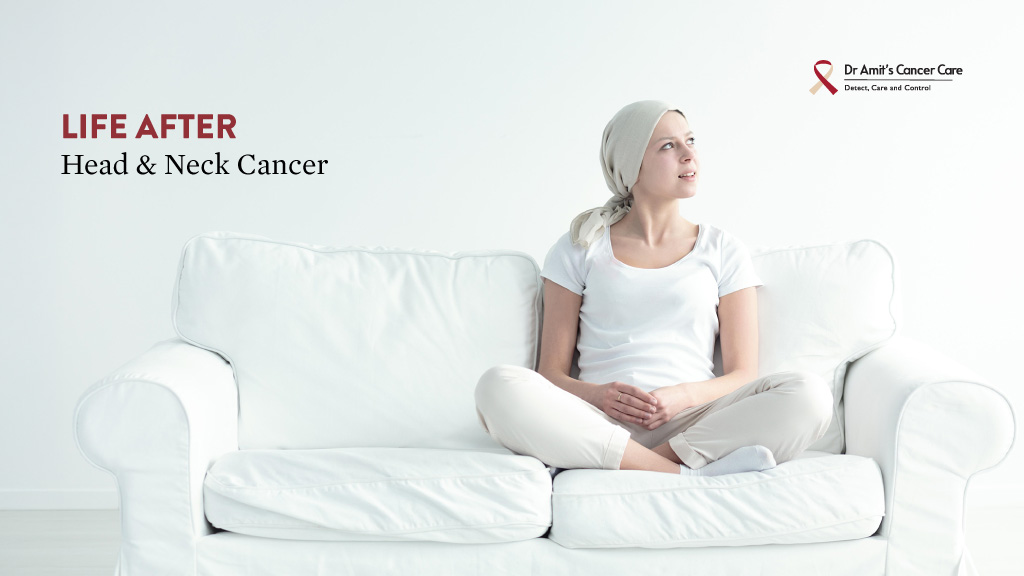
Life after head and neck cancer is filled with milestones, setbacks, small victories, and ongoing learning. It’s okay to grieve what you’ve lost while embracing the strength you’ve gained. With the right medical follow-up, emotional support, and lifestyle adjustments, most survivors go on to lead full and meaningful lives.
Your body has endured so much, and now it’s time to focus on rebuilding, restoring, and reclaiming your wellbeing, one day at a time.
Dr. Amit Chakraborty provides expert care for head and neck cancer survivors, guiding patients through both treatment and post-treatment recovery with compassion and clinical precision.
Visit the official website to book a consultation, watch recovery videos, or explore helpful resources tailored for survivors and their families.


 Jun 17, 2026