
Listening to your body can be the most powerful form of protection.
Head and neck cancers often hide in plain sight. What begins as a mild sore throat or a nagging cough may actually be your body’s subtle way of sounding an alarm. The early signs can be deceptively minor, but when ignored, they can escalate quickly into something far more serious.
Cancers of the mouth, throat, sinuses, nose, or voice box are often treatable when diagnosed early. But most patients delay medical help because they mistake early symptoms for seasonal infections or everyday fatigue.
11 Early Signs of Head and Neck Cancer
In this guide, we’ll walk you through 11 key signs that should never be taken lightly. These aren’t meant to induce fear, but to empower awareness. Knowing what to watch out for could lead to early diagnosis, effective treatment, and ultimately, a better outcome.
1. Persistent Sore Throat or Hoarseness
A sore throat is common with seasonal flu, but when it lingers for more than two weeks without improvement, it deserves attention. Similarly, a raspy or hoarse voice that does not return to normal can be a warning sign. These symptoms are often linked to cancers of the voice box (larynx) or throat and can develop slowly over time. If your throat feels strained even after resting your voice, it’s time to get it checked.
2. Lump or Swelling in the Neck
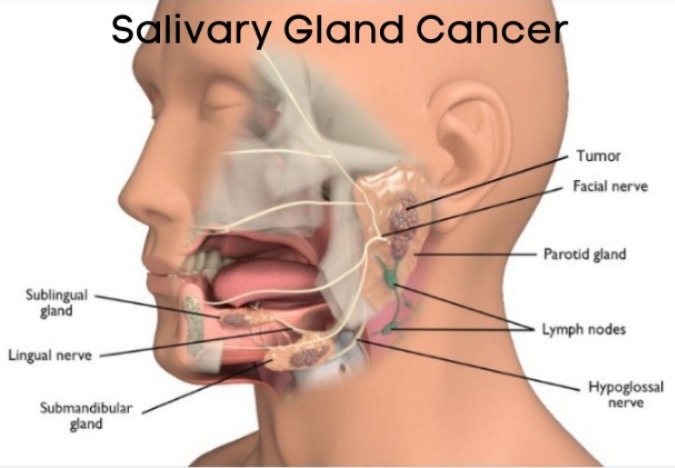
A new lump or swelling in the neck, especially if it does not hurt and doesn’t go away, is a potential red flag. While swollen lymph nodes are typically a sign of infection, a firm and painless lump that persists may indicate a tumor. This is particularly true if it’s located near the jawline, beneath the ear, or along the side of the neck.
3. Difficulty Swallowing (Dysphagia)
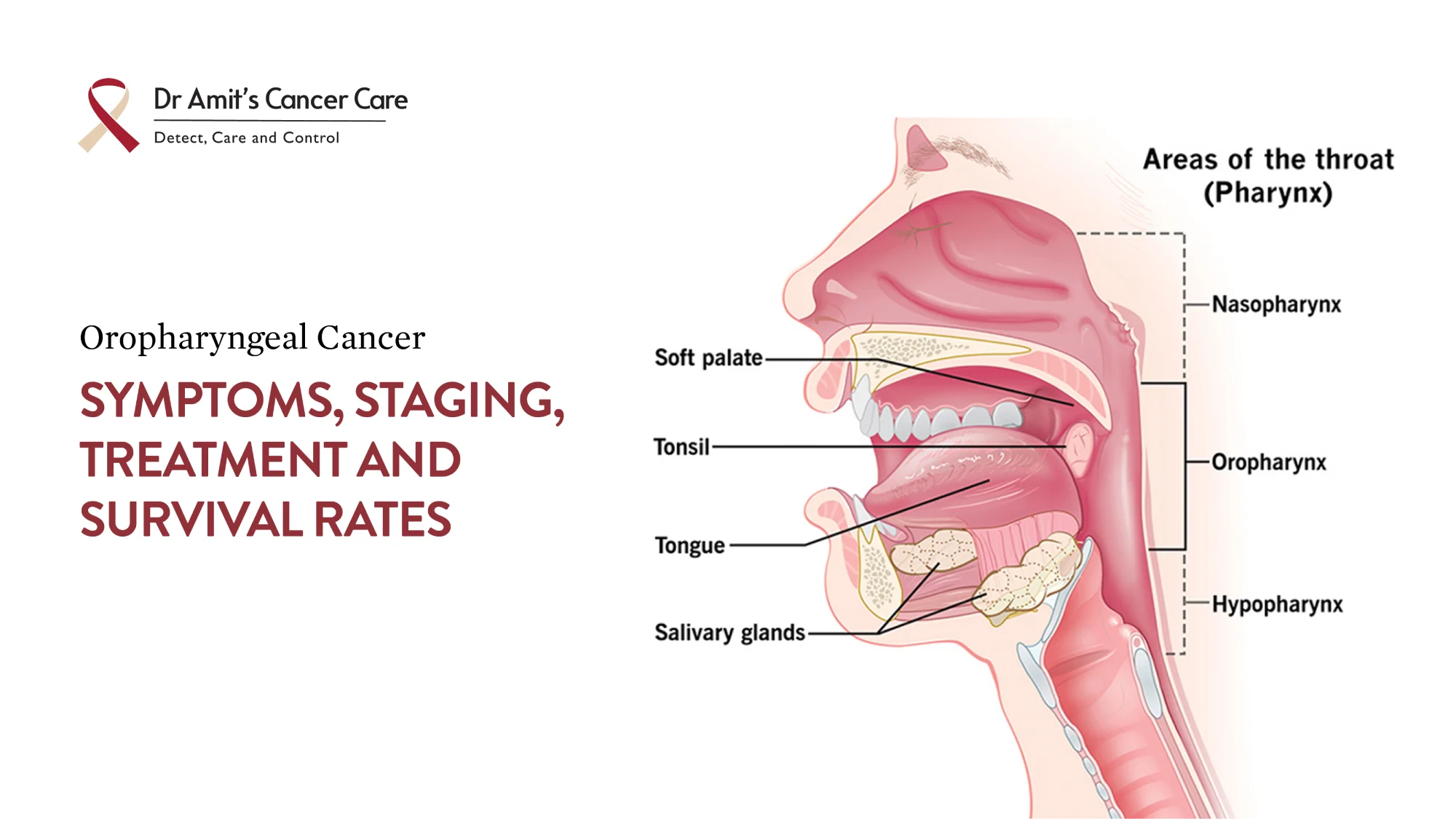
If you feel like food is getting stuck in your throat or experience pain while swallowing, it’s not something to ignore. This symptom may indicate a mass or tumor narrowing your esophagus or affecting the swallowing muscles. Difficulty swallowing that becomes progressively worse is often one of the early indicators of cancers in the pharynx or esophagus.
4. Unexplained Weight Loss
Losing weight without trying may seem like a positive side effect at first, but in the absence of diet or lifestyle changes, it is often one of the earliest signs of cancer. Tumors often interfere with appetite or metabolism, leading to rapid weight reduction. If you’ve dropped several kilos over a short period without any known reason, consult a specialist.
5. Persistent Ear Pain
Ear pain that continues for weeks without signs of an ear infection could be referred pain from a tumor in the throat or upper digestive tract. The pain may be one-sided and deep, sometimes even without any visible signs of ear trouble. Persistent earache, especially when combined with a sore throat or neck lump, should prompt a medical evaluation.
6. Red or White Patches in the Mouth
Red or white patches on the gums, tongue, or inner cheeks that don’t heal can be early signs of oral cancer. These patches may feel thick, rough, or slightly raised. Often mistaken for minor irritation or ulcers, these lesions need medical evaluation if they last more than two weeks. Early oral cancers are usually painless, which is why they’re easy to miss.
7. Unexplained Bleeding from Mouth or Nose
If you notice recurring bleeding from your mouth or nose without injury, don’t ignore it. This symptom may indicate abnormal growth or fragile blood vessels affected by a tumor. While occasional bleeding can occur due to dryness or minor injuries, regular or spontaneous bleeding calls for further investigation.
8. Nasal Blockage or Chronic Congestion
A persistent stuffy nose, especially when it affects only one side, can sometimes be a symptom of a sinus or nasopharyngeal tumor. Unlike a common cold, this congestion doesn’t respond to regular medications and may be accompanied by nosebleeds, facial pressure, or headaches. Chronic symptoms should not be overlooked.
9. Loose Teeth or Denture Issues
Suddenly noticing a loose tooth or dentures that no longer fit properly could be more than just a dental problem. Tumors in the gums, jawbone, or surrounding tissues can cause structural changes in your mouth. If there is no history of trauma or gum disease, this change may signal something more serious.
10. Numbness or Tingling in the Face or Mouth
Loss of sensation in the lower face, jaw, or tongue may be caused by pressure from a growing tumor pressing against facial nerves. This numbness or tingling is often subtle in the beginning and may go unnoticed. However, it’s a significant neurological sign that should be examined by a specialist immediately.
11. Trouble Breathing or Noisy Breathing
Breathing that sounds raspy, high-pitched, or obstructed may be caused by a mass affecting the airway. In advanced cases, this can result in labored breathing or the need to sleep upright to breathe comfortably. While this is a more urgent symptom, it may appear gradually and should be assessed without delay.
You can also explore this helpful resource on Signs and Symptoms of Head and Neck Cancer for more insights.
When Should You See a Doctor?
If any of these symptoms persist for more than two weeks, it is essential to get evaluated by a head and neck cancer specialist. Early-stage cancers are often asymptomatic, but when signs do appear, they are usually subtle. Do not wait until the symptom worsens. The earlier you act, the better the chance of a full recovery.
Certain individuals may be at higher risk, especially those who:
- Are above the age of 40
- Use tobacco or alcohol regularly
- Have a history of HPV infection
- Have prolonged exposure to industrial chemicals or pollutants
- Experience chronic sun exposure (for lip and skin cancers)
Treatment and Outlook
Treatment options depend on the type and stage of cancer. They may include surgery, radiation therapy, chemotherapy, targeted therapy, or a combination of these. The goal is always to preserve function and improve survival outcomes. In early stages, many of these cancers can be treated effectively with less invasive methods.
Take Action, Not Chances
Head and neck cancers don’t always come with dramatic signs. Sometimes, it’s just a sore that won’t heal or a voice that won’t return to normal. But these small symptoms, when ignored, can cost time and health.
If you or a loved one is experiencing any of the above symptoms, don’t wait. Early diagnosis can save lives. Dr. Amit Chakraborty is one of India’s most trusted specialists in head and neck oncology in mumbai, offering advanced, patient-first care with years of surgical expertise.
Visit the clinic or book your appointment today for compassionate guidance and expert evaluation.


 Oct 04, 2025