
Most people associate HPV with cervical cancer. Far fewer know that the same virus is now the leading cause of a specific type of oral cancer, and that it is affecting people who have never smoked a day in their lives.
Also, if you are sexually active, this is information that directly concerns you.
First, What Is HPV?
HPV stands for human papillomavirus. It is the most common sexually transmitted infection in the world, and most people who have it do not know it. The virus produces no symptoms in the majority of cases and clears on its own without treatment.
There are nearly 200 known strains of HPV, and while most of them are harmless, a small number are classified as high-risk because they can cause cancer in the tissues they infect.
Does HPV Actually Cause Oral Cancer?
Yes. HPV is a confirmed cause of a specific category of oral cancer called oropharyngeal cancer. This type of cancer develops in the back of the mouth and throat, specifically in:
- The tonsils
- The base of the tongue
- The soft palate
- The back wall of the throat
HPV is now responsible for 60 to 70% of oropharyngeal cancers in the United States. That figure has been climbing for decades, while tobacco-related oral cancers have been declining. This is not a minor link. HPV has fundamentally changed the profile of who gets oral cancer and why.
To be clear, HPV does not cause cancers in all parts of the mouth. It is not linked to cancers of the lip, the front of the tongue, the floor of the mouth, the larynx, the nose, or the salivary glands. The connection is specific to the oropharyngeal region.
Which HPV Strains Cause Oral Cancer?
Not all HPV strains carry the same risk. Out of nearly 200 types, only a handful trigger cancer.
When it comes to oral cancer caused by HPV, one strain is responsible above all others: HPV-16.
HPV-16 is the same high-risk strain linked to cervical, anal, and penile cancers. In the mouth and throat, it accounts for the overwhelming majority of HPV-positive oropharyngeal cancers. It works by integrating into the DNA of host cells and disrupting the pathways that normally prevent uncontrolled cell growth.
A small number of other high-risk strains, including HPV-18, are also found in some oral cancers, but HPV-16 is by far the most significant.
How Does Oral HPV Spread?
Oral HPV is transmitted primarily through oral sex. It can also spread through open-mouth kissing and close contact with infected oral tissue. A person can carry and transmit the virus without any symptoms, sores, or visible signs of infection.
Studies show that approximately 10% of men and 3.6% of women carry an active oral HPV infection at any given time. The risk increases with the number of oral sexual partners.
Does Oral HPV Go Away on Its Own?
In most cases, yes. The immune system clears an oral HPV infection naturally, usually within one to two years. The person often never knows they had it. No treatment is required for the infection itself.
However, in a small number of cases, the infection persists. If HPV-16 remains in the body for an extended period, it creates the conditions for cancerous changes to develop. This process takes time, often decades, which is why oral cancers linked to HPV tend to appear in people in their 40s and 50s, even if the original infection occurred much earlier in life.
The key point: most people with oral HPV will never develop cancer. But the minority who do often have no warning until the disease has progressed.
Why Is HPV-Related Oral Cancer Difficult to Detect?
This is one of the most important things to understand. Unlike tobacco-related oral cancers, which often produce visible sores or patches in accessible parts of the mouth, HPV-related cancers develop deeper in the throat, where they are not easily seen or felt.
Symptoms are often mild, vague, and easy to dismiss:
- A persistent sore throat that does not resolve
- Pain or difficulty when swallowing
- A lump in the neck or throat
- Hoarseness that does not improve
- Ear pain with no clear cause
- Unexplained weight loss
The problem is that each of these symptoms could easily be attributed to something far less serious. Many people delay seeking help as a result. Dr. Amit Chakraborty understands this and suggests a simple rule.
The rule is: if any symptom in your mouth or throat persists for more than two weeks without improvement, see a doctor. Do not wait for it to get worse.
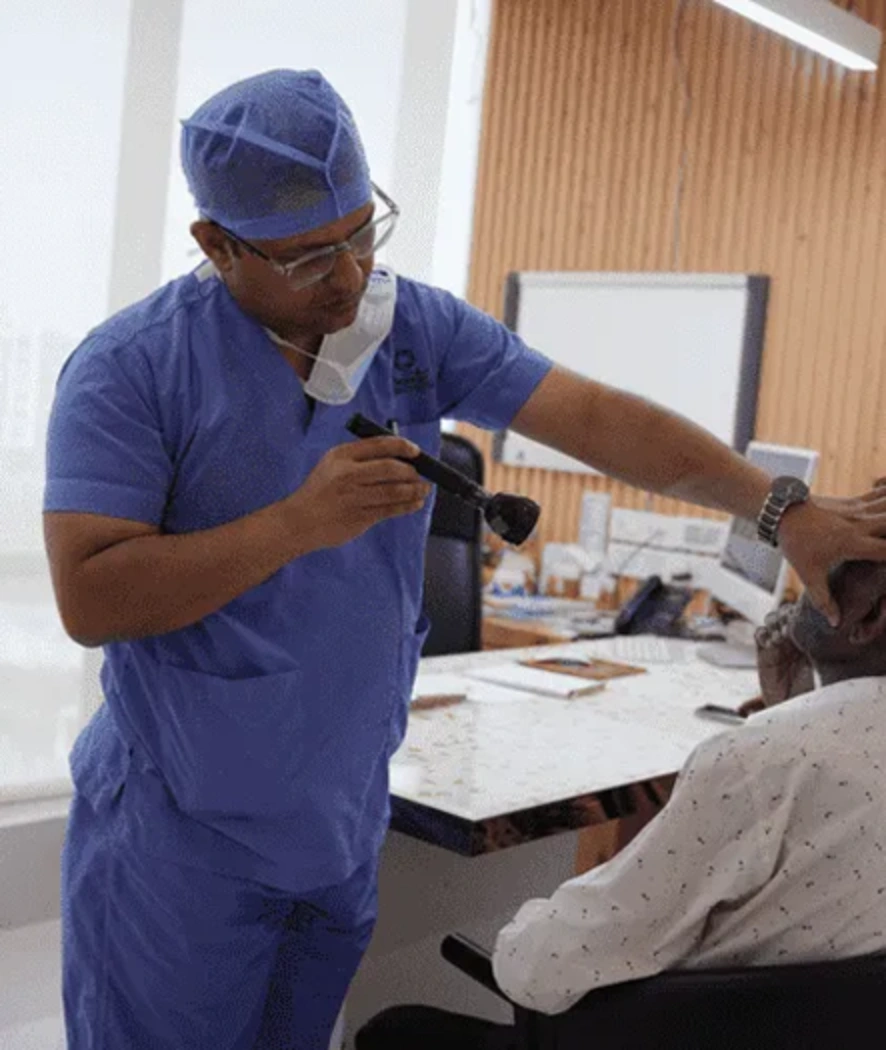
There is currently no widely available test that can reliably catch HPV-related oropharyngeal cancer in its earliest stages. The most effective screening remains a thorough clinical examination by a trained dental or medical professional, combined with a careful symptom history.
How to Prevent Oral HPV and Reduce Cancer Risk
Get Vaccinated
The HPV vaccine is the single most effective tool for preventing HPV-related oral cancer. It protects against HPV-16 and other high-risk strains before exposure occurs.
The CDC recommends vaccination for all children at ages 11 to 12, and for everyone up to age 26 who has not yet been vaccinated. For adults aged 27 to 45, it is worth discussing with a doctor based on individual risk.
The vaccine prevents new infections. It does not treat an existing infection, which is why vaccination before any HPV exposure is so important.
Use Barrier Protection
Condoms and dental dams during oral sex reduce the risk of HPV transmission. They do not eliminate it, since HPV can be present on areas not covered by a barrier, but consistent use meaningfully lowers risk.
Attend Regular Oral Cancer Screenings
Ask your dentist to perform an oral cancer screening at your routine check-up. It is quick, non-invasive, and gives a trained professional the chance to identify anything unusual at a stage when treatment is most effective.
How Is Oral HPV Treated?
There is no antiviral medication that clears HPV from the body. The immune system is the primary mechanism through which most infections resolve.
If HPV progresses to oropharyngeal cancer, treatment follows standard oncology protocols, including surgery, radiation, chemotherapy, targeted therapy, and, in some cases, immunotherapy. The virus itself is not treated separately.
One important fact: HPV-positive oropharyngeal cancers have a significantly better response to treatment and higher survival rates than HPV-negative cancers. Patients with HPV-positive tumours consistently show better outcomes, which has led to ongoing research into whether treatment can be de-escalated in some cases without compromising results.
The Bottom Line
HPV does cause oral cancer. Specifically, it causes oropharyngeal cancer, and it is now the most common cause of this type of cancer in many parts of the world. The rise has been quiet, largely because HPV-related oral cancer looks nothing like the tobacco-related version that most people are familiar with.
The good news is that vaccination works, early detection improves outcomes significantly, and when HPV-related oral cancer is treated, it responds well. Awareness is the first step.
If you are not vaccinated, ask about it. If you have a symptom that is not going away, Book a consultation with Dr Amit’s Cancer Care.
References:
- Soung. Min Kim, Human Papilloma Virus in Oral Cancer, 2016, available at: https://pmc.ncbi.nlm.nih.gov/articles/PMC5206237/



 Jun 25, 2024