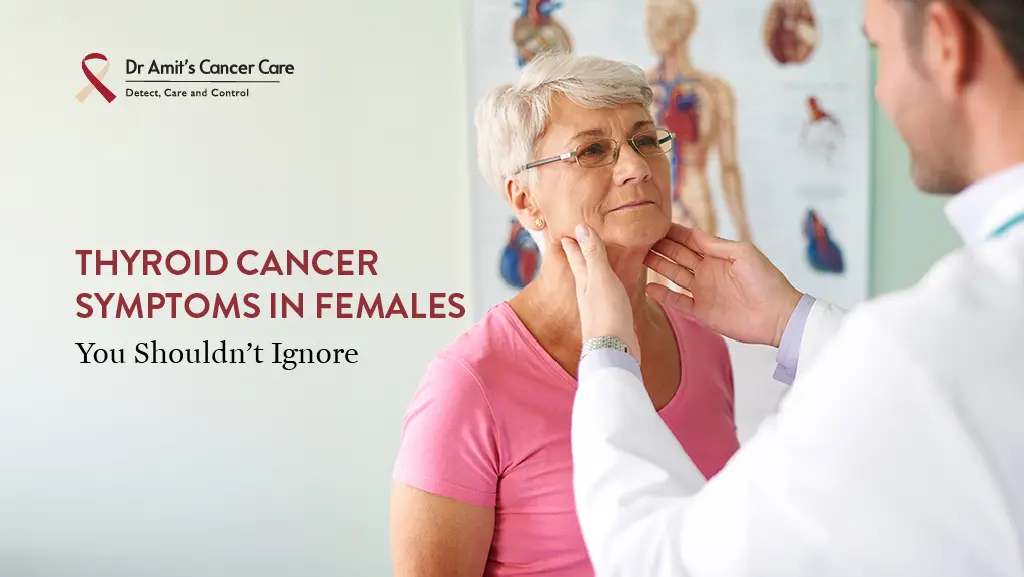

Thyroid cancer is growing as a noteworthy health concern for women globally, with recent statistics indicating that females are three times more likely to develop this condition than males. In India, the scenario is particularly concerning, with age-adjusted incidence rates of thyroid cancer showing 1.8 per 100,000 for females compared to just 1 for males. This alarming difference proves that women are more likely to get thyroid cancer and highlights the need for greater awareness.
One of the most concerning aspects of thyroid cancer is its silent nature in early stages. People with thyroid cancer do not typically experience symptoms in the early stages, making it crucial for women to understand the subtle signs that may indicate this condition. Early detection is paramount in thyroid cancer management. However, delayed diagnosis can lead to more aggressive treatment requirements, including extensive surgery, radioactive iodine therapy, and lifelong monitoring. This comprehensive guide will help women recognize the thyroid cancer symptoms in females that demand immediate medical attention, understand their risk factors, and know when to seek professional help from specialists like Dr. Amit Chakraborty, who specializes in thyroid cancer treatment in Mumbai.
What is Thyroid Cancer in Women?
Thyroid cancer develops when cells in the thyroid gland, a butterfly-shaped organ located at the base of the neck, begin to grow uncontrollably. This small but vital gland produces hormones that regulate metabolism, heart rate, and body temperature. When cancerous cells form in this gland, they can disrupt normal hormone production and spread to surrounding tissues.
The thyroid gland consists of two lobes connected by a bridge of tissue called the isthmus. Cancer can develop in either the lobe or the isthmus itself. What makes thyroid cancer particularly challenging is that it often grows slowly and may not produce noticeable symptoms initially. This is why understanding the subtle signs and symptoms of thyroid cancer in females becomes crucial for early detection and successful treatment.
Why are Females at Higher Risk for Thyroid Cancer?
The increased risk of thyroid cancer in women stems from several interconnected factors that make females more susceptible to this condition. Understanding these risk factors helps explain why thyroid cancer symptoms in women require special attention.
Major Risk Factors for Women:
Hormonal Influence:
-Estrogen stimulates thyroid cell growth, which may increase cancer risk.
-Explains higher incidence in women during reproductive years.
Pregnancy and Thyroid Changes:
-The thyroid enlarges during pregnancy to meet metabolic demands.
-Hormonal surges may accelerate the growth of existing thyroid nodules or cancer.
Autoimmune Conditions:
-Women are more likely to develop conditions like Hashimoto’s thyroiditis and Graves’ disease.
-Chronic inflammation from these disorders may elevate cancer risk over time.
Age Factor:
-Highest risk between ages 30–50, although thyroid cancer can occur at any age.
Previous Radiation Exposure:
-History of radiation to the head or neck, especially during childhood, increases risk.
-Includes exposure from medical treatments or repeated dental X-rays.
Family History and Genetics:
-Genetic mutations and family history of thyroid cancer (especially in female relatives) raise the risk.
-Some inherited forms of thyroid cancer are more common in women.
Environmental and Lifestyle Causes:
Iodine Intake Patterns:
-Both iodine deficiency and excess can impact thyroid function.
-Women’s thyroids are more sensitive due to higher hormonal demands.
Reproductive History:
-Risk may increase with early menstruation, late menopause, or a history of fertility issues.
Stress and Lifestyle Factors:
-Chronic stress, poor nutrition, and lack of exercise can weaken immunity.
-These lifestyle issues may indirectly raise cancer risk.
Common Types of Thyroid Cancer in Females
Understanding the different types of thyroid cancer helps women recognize what are the symptoms of thyroid cancer in females for every type:
Papillary Thyroid Cancer
-The most common type of thyroid cancer.
-Predominantly affects women.
-Grow slowly and often spreads to the lymph nodes in the neck.
-Has an excellent prognosis when detected early.
Follicular Thyroid Cancer
-The second most common type of thyroid cancer.
-Rarely spreads to lymph nodes, but may metastasize to lungs or bones.
-More common in iodine-deficient regions.
Medullary Thyroid Cancer
-It may be hereditary, especially in familial cases.
-Often linked to Multiple Endocrine Neoplasia (MEN) syndromes.
-Produces calcitonin, which can be measured through blood tests for diagnosis and monitoring.
Anaplastic Thyroid Cancer
- Rarest type of thyroid cancer.
- The most aggressive form grows and spreads rapidly.
- Difficult to treat, with a poor prognosis.
- Early detection is crucial for any chance of successful treatment.
Early Warning Signs: Thyroid Cancer Symptoms in Females to Watch For
Recognizing early symptoms of thyroid cancer in females can be life-saving. While thyroid cancer often develops silently, several warning signs should prompt immediate medical evaluation:
Stage 1: Subtle Early Symptoms
Neck Lumps or Nodules
-Painless lumps, nodules, or swelling in the neck that gradually increase in size
-Best detected through regular neck self-examinations
Throat Discomfort
-Sensation of something stuck in the throat
-Unexplained throat clearing, often mistaken for allergies
Subtle Voice Changes
–Mild hoarseness or voice fatigue
-Often noticeable to singers, teachers, or public speakers
Stage 2: Progressive Symptoms
Swallowing Difficulties
–Trouble swallowing, especially solid foods
-Caused by a tumor pressing on the esophagus
Breathing Problems
–Shortness of breath, especially when lying flat
-Due to compression of the windpipe or food pipe by the growing nodule
Persistent Cough
–Ongoing cough not related to cold or flu
-Doesn’t improve with standard cough treatments
Stage 3: Advanced Symptoms
Significant Voice Changes
–Severe hoarseness or voice loss
-Occurs when cancer affects the recurrent laryngeal nerve
Throat & Neck Pain
–Pain in the front of the neck
-May radiate to the ears or jaw
Swollen Lymph Nodes
–Enlarged lymph nodes on the sides or back of the neck
-Can indicate cancer spread
Visible Neck Asymmetry
–Noticeable swelling or deformity in the neck
-The neck may appear visibly asymmetric
Prevention and Risk Reduction for Women
While certain risk factors for thyroid cancer are beyond control, recognizing the symptoms of thyroid cancer in females and adopting proactive health measures can significantly aid in early detection and reduce overall risk.:
Daily Prevention Strategies:
- Regular Self-Examinations
– Perform monthly neck self-examinations, feeling for lumps, bumps, or asymmetry.
– The best time for examination is during or right after a shower when the skin is wet and more liable. - Iodine Balance
– Maintain appropriate iodine intake through iodized salt and iodine-rich foods like seafood, dairy products, and eggs.
– Both iodine deficiency and excess can increase thyroid cancer risk. - Radiation Protection
– Minimize unnecessary radiation exposure, particularly to the head and neck area.
– When medical imaging is necessary, discuss radiation exposure with healthcare providers and use protective measures when possible. - Healthy Lifestyle Choices
– Maintain a balanced diet rich in fruits and vegetables.
– Exercise regularly and avoid smoking.
– These lifestyle factors support overall immune function and may reduce cancer risk.
Long-term Health Strategies:
- Stress Management
– Chronic stress can affect immune function and hormone levels.
– Implement stress-reduction techniques like meditation, yoga, or regular exercise to support overall health. - Regular Medical Check-ups
– Include neck examination in routine medical visits.
– Healthcare providers can detect changes that might be missed during self-examination. - Family History Awareness
– Keep detailed records of family medical history, particularly thyroid diseases and cancers.
– Share this information with healthcare providers to assess personal risk levels. - Hormonal Health
– Monitor hormonal changes during menstruation, pregnancy, and menopause.
– Report any unusual symptoms to healthcare providers promptly.
What to Do If You Notice Symptoms?
If you identify any thyroid cancer symptoms in women, taking immediate and appropriate action is crucial. Here’s a step-by-step approach:
Immediate Actions:
- Document Your Symptoms: Keep a detailed record of symptoms, including when they started, how they’ve changed, and any associated factors. Note the size, location, and characteristics of any lumps or nodules you discover.
- Schedule Medical Evaluation: Don’t wait for symptoms to worsen. Contact your primary care physician or directly schedule an appointment with a thyroid specialist. Early consultation can provide peace of mind and ensure timely intervention if needed.
- Prepare for Your Appointment: Gather relevant medical records, family history information, and a list of current medications. Write down specific questions about your symptoms and concerns.
For women in Mumbai and surrounding areas, consulting with experienced thyroid specialists like Dr. Amit Chakraborty ensures access to the latest diagnostic techniques and treatment options. Specialized care can make a significant difference in both diagnosis accuracy and treatment outcomes.
Diagnostic and Treatment Overview
Modern medicine provides advanced diagnostic tools and personalized treatment options to manage symptoms of thyroid cancer in females, with procedures specifically designed to meet the unique needs of women.
Key Diagnostic Procedures:
- Physical Examination: Comprehensive neck examination by trained specialists to detect nodules, asymmetry, and enlarged lymph nodes
- Ultrasound Imaging: High-resolution thyroid ultrasound provides detailed images of thyroid nodules and is safe for pregnant women
- Fine Needle Aspiration (FNA) Biopsy: Minimally invasive procedure to extract cells for microscopic examination – the gold standard for diagnosing thyroid cancer
- Blood Tests: Thyroid function tests, thyroglobulin levels, and calcitonin measurements to assess thyroid health
Treatment Options:
- Surgical Intervention: Primary treatment ranging from partial to total thyroidectomy, depending on cancer type and stage
- Radioactive Iodine Therapy: May be used following surgery to destroy remaining thyroid tissue and cancer cells
- Hormone Replacement Therapy: Lifelong thyroid hormone replacement becomes necessary after total thyroidectomy
- Regular Monitoring: Long-term follow-up care includes regular blood tests, imaging studies, and physical examinations
Treatment decisions should always be made in consultation with experienced specialists who understand the unique challenges women face with thyroid cancer. For comprehensive Thyroid Cancer Treatment in Mumbai, experienced specialists provide personalized care that addresses not only the cancer itself but also the impact on fertility, pregnancy, and overall quality of life.
Conclusion
Thyroid cancer represents a significant health challenge for women, but early recognition of symptoms and prompt medical intervention can lead to excellent outcomes. Understanding the symptoms of thyroid cancer in females empowers women to take control of their health and seek timely, appropriate care. The key to successful thyroid cancer management lies in awareness, early detection, and comprehensive care from experienced specialists. While the diagnosis can be overwhelming, modern medicine offers highly effective treatment options that preserve quality of life and improve long-term survival rates.
It’s important to remember that experiencing one or more symptoms doesn’t automatically mean cancer, many thyroid conditions are benign and treatable. However, persistent or unexplained symptoms should never be ignored. Women’s health deserves specialized attention, and thyroid cancer is no exception. By staying informed, performing regular self-examinations, and maintaining open communication with healthcare providers, women can take proactive steps to protect their thyroid health and overall well-being.
Take Action Today: If you’re experiencing any thyroid cancer symptoms or have concerns about your thyroid health, don’t wait. Schedule a consultation with Dr. Amit Chakraborty, a leading thyroid cancer specialist in Mumbai, who provides comprehensive evaluation and personalized treatment plans for women facing thyroid cancer. Early detection saves lives – your health is worth the investment in professional care.


 Nov 13, 2025