
Key Takeaways
- Stage 4 mouth cancer is not one single situation. It is divided into stage 4A, 4B and 4C. Each one is treated differently, and the goal of treatment can change from one to the next.
- Many people with stage 4A are treated with the aim of controlling the disease for the long term. This usually means surgery followed by radiotherapy, with or without chemotherapy.
- Radiotherapy with chemotherapy is the main option when surgery is not possible. This applies to only some stage 4B cancers where the tumour cannot be removed safely. Otherwise, chemoradiotherapy or chemotherapy first may be recommended.
- Stage 4C means the cancer has spread to distant parts of the body. Treatment then focuses on slowing the disease and protecting comfort. Chemotherapy, immunotherapy and palliative care are the main tools.
- Curable is a hard word at this stage. Some stage 4 cancers can be treated with curative intent. Others cannot be cured but can be controlled for a time. Your own doctors can tell you which applies to you.
- A team plans the treatment. Surgeons, radiation and medical oncologists, dentists, dietitians and speech therapists usually work together.
Stage 4 mouth cancer treatment depends on how far the mouth cancer has grown and where it has spread. When the cancer is limited to the mouth and the neck, the usual approach is surgery followed by radiotherapy, sometimes with chemotherapy. When surgery is not possible, radiotherapy with chemotherapy is used. When the cancer has spread to other organs, the treatment is mainly drug therapy and supportive care.
Hearing that you or a family member has mouth cancer at the 4th stage is frightening. Some people in this group are treated with the hope of a long remission. Others are treated to keep the mouth cancer under control and to stay comfortable. This guide explains what each option involves and how doctors decide between them.
Have a question about stage 4 mouth cancer treatment?
What Is Stage 4 Mouth Cancer?
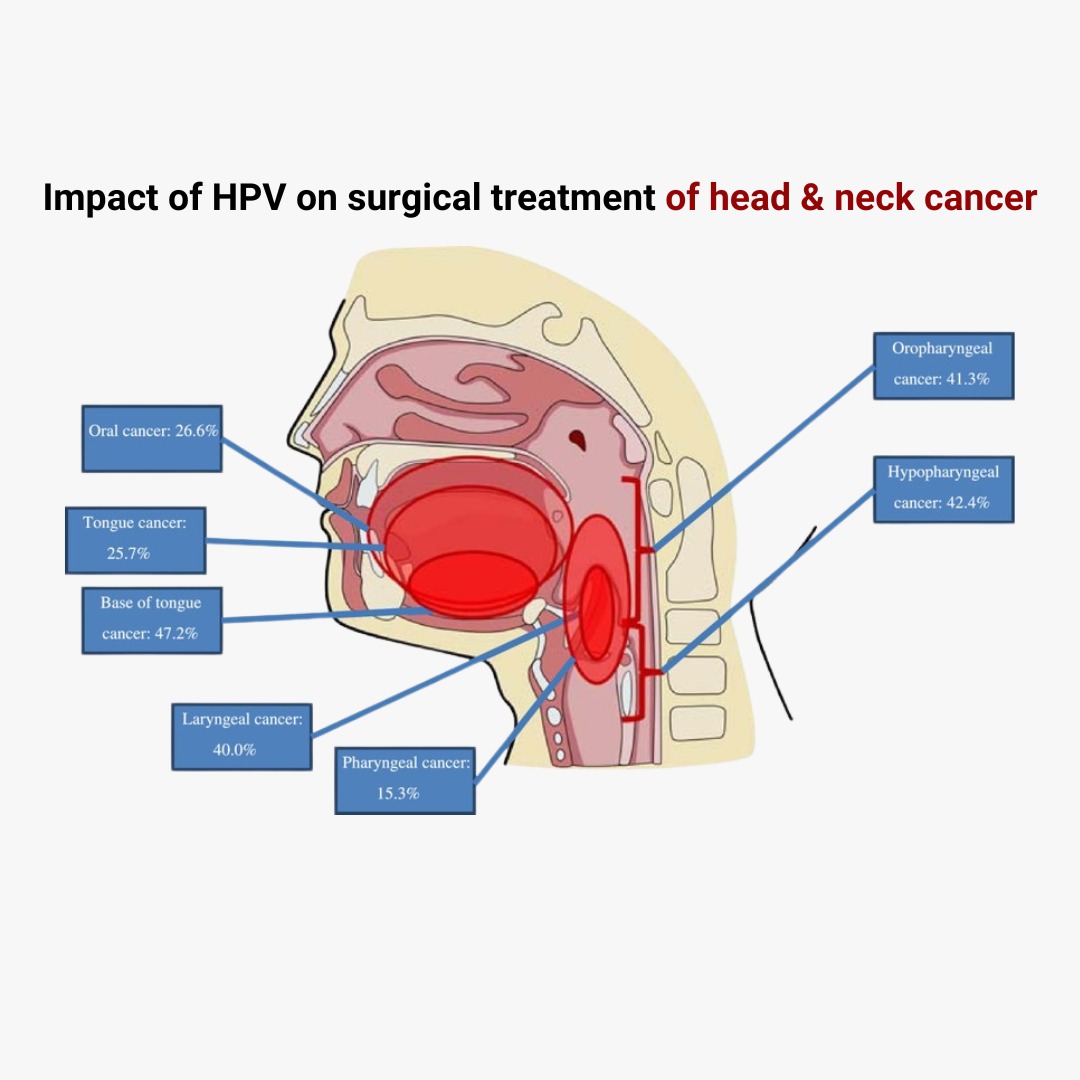
Stage 4 mouth cancer, also called stage 4 oral cancer, is the most advanced stage. Doctors work out the stage by looking at three things: the size and depth of the tumour, whether it has spread to lymph nodes in the neck, and whether it has spread to distant organs such as the lungs.
Stage 4 is split into three groups. The details below are general, and your doctor will tell you your exact stage (Amin et al., 2017).
| Stage | What it generally means | Usual treatment direction |
| Stage 4A | One larger lymph node, multiple nodes, or nodes on both sides of the neck or the tumour has grown into nearby structures such as the jawbone or skin. | Surgery followed by radiotherapy, with chemotherapy added in some cases. |
| Stage 4B | The tumour has grown into deeper structures such as the skull base, or a lymph node larger than 6 cm, or cancer spreading outside the node. | When the tumour can be removed, surgery followed by chemoradiotherapy may be used. Otherwise, chemoradiotherapy or chemotherapy first may be recommended |
| Stage 4C | The cancer has spread to distant organs, most often the lungs. | Drug treatment, radiotherapy for symptoms and palliative care. |
The stage describes where the cancer is. It does not tell you how any one person will respond to treatment.
Is Stage 4 Mouth Cancer Curable?
It depends on the substage and on the person. Some stage 4A and stage 4B cancers are treated with curative intent. That means the plan is built around removing or destroying all the cancer. Many of these patients go through intensive treatment and some remain free of disease for years.
Stage 4C is different. Once cancer has spread to distant organs, it is generally not curable with current treatment. But it can often be controlled for a period of time. Treatment can reduce symptoms and help people stay active for longer.
Cancer can sometimes return after treatment, even when the initial goal was a cure. If this happens, treatment may include repeat surgery, radiation in selected cases, or drug therapy, depending on where the cancer returns and the treatments used previously. Regular follow-up visits help detect recurrence and guide further treatment.
| Note Survival figures are averages taken from large groups of people. They cannot predict what will happen to one person. Please ask your own treating team what the aim of your treatment is. |
Stage 4 Oral Cancer Treatment Options
Most people with stage 4 oral cancer need more than one kind of treatment. The main options are below.
Surgery
Surgery is usually the first step for stage 4A when the whole tumour can be removed. The surgeon takes out the tumour with a margin of healthy tissue. This may include part of the tongue, jawbone or cheek. The lymph nodes in the neck are often removed at the same time because cancer commonly spreads there.
Larger operations can leave a gap in the mouth. Reconstruction uses skin, muscle or bone from another part of the body to rebuild the area. This helps with chewing, swallowing and speech.
Radiotherapy
Radiotherapy uses high-energy beams to destroy cancer cells. After surgery it is given to clear any cells that may be left behind. It is usually given daily over several weeks. When surgery is not possible, radiotherapy can be the main treatment. In stage 4C it may be used in shorter courses to ease pain or bleeding.
Chemotherapy and chemoradiotherapy
Chemotherapy uses drugs that kill fast-growing cells. When it is given together with radiotherapy, it makes the radiation work better. This is called chemoradiotherapy. Large studies have shown that adding chemotherapy helps certain patients after surgery, mainly those whose cancer has high-risk features such as spread beyond the lymph node wall or cells at the edge of the removed tissue (Bernier et al., 2004; Cooper et al., 2004).
Chemotherapy may also be considered before surgery (neoadjuvant chemotherapy) for tumours that are difficult to operate on, depending on the individual case. For tumours that cannot be removed, chemoradiotherapy has been shown to improve outcomes compared with radiotherapy alone (Pignon et al., 2009).
In stage 4C, treatment may include chemotherapy, immunotherapy or both, depending on the case. In India, low-dose oral chemotherapy taken as tablets has also been studied for people with advanced disease who cannot have standard options (Patil et al., 2020).
Immunotherapy and targeted therapy
Immunotherapy helps the immune system recognise and attack cancer cells. A drug called pembrolizumab has been shown to help some people with recurrent or spread head and neck cancer, either alone or with chemotherapy (Burtness et al., 2019). A drug called cetuximab, which blocks a growth signal on cancer cells, can also be combined with chemotherapy (Vermorken et al., 2008). Your doctor will check whether these drugs suit you based on PD-L1 (CPS) testing on the tumour sample and your general health.
Palliative and supportive care
Palliative care is not only for the last stage of life. It focuses on comfort and quality of life, and it can be given alongside treatment aimed at cure. It covers pain relief, help with eating and swallowing, wound care and emotional support for you and your family. In stage 4C it becomes an important part of the plan.
| Expert Insight “Stage 4 is serious, but it is not one situation. A large tumour in the mouth and a cancer that has spread to the lungs are treated very differently, and the goals are different too. The first step is to understand exactly which situation you are in.” Dr. Amit Chakraborty MBBS, MS, MCh (Surgical Oncology), MRCS (UK) Head & Neck Cancer Specialist Registered Medical Practitioner | 2008113798 |
How Doctors Decide the Treatment Plan
No two plans are exactly alike. The team looks at the exact site of the tumour, its size and depth, and whether the neck nodes are involved. They also look at whether the cancer can be managed safely, your age and general health, and how well you can chew, swallow and speak. Your own wishes matter as well.
Most hospitals review these cases in a tumour board meeting. Surgeons, radiation oncologists, medical oncologists, pathologists and radiologists look at the scans and reports together. They then agree on a plan.
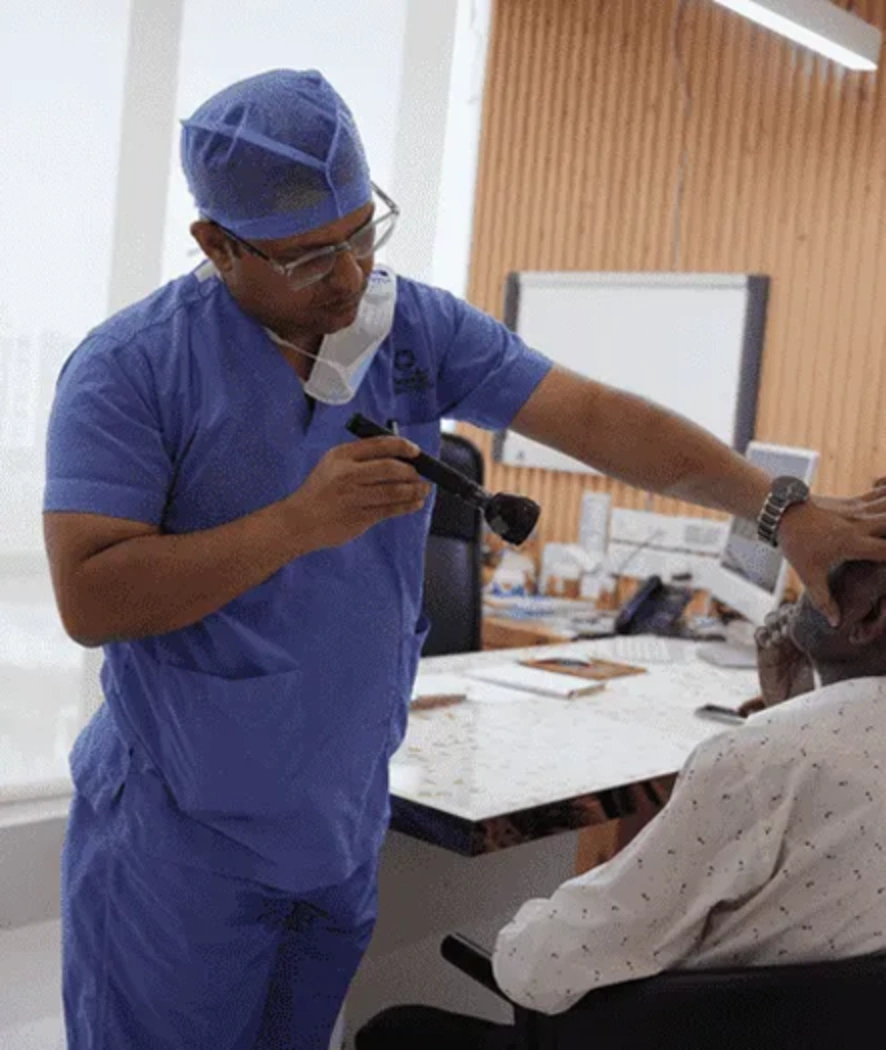
Dr. Amit Chakraborty, Head & Neck Cancer Specialist (MBBS, MS, MCh Surgical Oncology; Registered Medical Practitioner: 2008113798), explains that this team approach matters in stage 4 because the choices are not simple. The order of treatment and the balance between cure and quality of life often need to be discussed in detail.
Side Effects and Recovery
Stage 4 treatment can be tough on the body. After surgery you may have trouble with chewing, swallowing or speech. Some people need a feeding tube for a time.
Radiotherapy side effects include a sore mouth, dry mouth, skin changes and tiredness. Dental checks before radiotherapy are important to identify and address dental problems. Long-term side effects may include jaw stiffness and, in some cases, damage to the jawbone. Regular dental follow-ups and appropriate oral care can help manage these effects.
Chemotherapy can cause nausea, low blood counts and fatigue. Immunotherapy has its own set of side effects, which your team will explain.
Most side effects can be managed. Speech and swallowing therapy, dental care, pain relief and nutrition support all help. Recovery takes time and it often continues for months after treatment ends. Proper diet is a big part of getting through treatment.
Questions You Can Ask Your Treating Team
It can be hard to think clearly in the consultation room. Many people find it useful to write questions down beforehand. You might ask what the exact stage is and what the goal of treatment is. You could ask what the treatment will involve and how long it will take. It is also fair to ask about likely side effects, what support is available during recovery and what the follow-up plan will be. If you are unsure about a recommendation, you can ask for a second opinion.
Are you looking for information about advanced mouth cancer?
This article is for general health education and is not a substitute for personal medical advice. Please speak to your treating doctor about your own diagnosis and treatment plan.
Frequently Asked Questions
What are the treatment options for stage 4 mouth cancer?
Treatment can include surgery, radiotherapy, chemotherapy, immunotherapy and palliative care. Most people need a combination. The plan depends on the exact stage and your general health.
Is stage 4 mouth cancer curable?
Some stage 4A and 4B cancers are treated with the aim of cure. Stage 4C, where the cancer has spread to distant organs, is generally not curable but can often be controlled for a time.
What is the difference between stage 4A, 4B and 4C mouth cancer?
Stage 4A means the cancer has grown into nearby structures or several neck nodes. Stage 4B means a node larger than 6 cm or cancer spreading outside the node. Stage 4C means spread to distant organs.
Can stage 4 mouth cancer be treated with surgery?
Yes, in many stage 4A cases and in stage 4B when the tumour can be removed, followed by radiotherapy or chemoradiotherapy. When it cannot be removed safely, chemoradiotherapy or chemotherapy first may be recommended.
What treatment is used when stage 4 oral cancer has spread to the lymph nodes?
The lymph nodes in the neck are usually removed during surgery. Radiotherapy, sometimes with chemotherapy, is then given to reduce the chance of the cancer returning.
How long can a person live with stage 4 mouth cancer?
This varies a lot. It depends on the substage, the response to treatment and the person’s overall health. Your treating team is the best source of information about your own situation.
Is stage 4 mouth cancer always terminal?
No. Stage 4 covers a wide range, and some people are treated with curative intent. Stage 4C is more serious, but treatment can still help control symptoms and slow the disease.
Can stage 4 mouth cancer come back after treatment?
Yes, it can. That is why regular follow-up visits are needed for several years after treatment.
What symptoms does mouth cancer have at the 4th stage?
Symptoms can include a large ulcer or lump in the mouth, pain, trouble chewing or swallowing, loose teeth, numbness, ear pain, bleeding, difficulty opening the mouth, a lump in the neck and weight loss. These signs have other causes too, so they need to be checked by a doctor.
Which doctor treats stage 4 oral cancer?
A head and neck cancer surgeon usually leads the care, along with a radiation oncologist and a medical oncologist. Dentists, dietitians and speech therapists also take part.
References
Amin, M.B. et al. (2017) AJCC Cancer Staging Manual. 8th edn. Cham: Springer.
Bernier, J. et al. (2004) ‘Postoperative irradiation with or without concomitant chemotherapy for locally advanced head and neck cancer’, New England Journal of Medicine, 350(19), pp. 1945–1952.
Burtness, B. et al. (2019) ‘Pembrolizumab alone or with chemotherapy versus cetuximab with chemotherapy for recurrent or metastatic squamous cell carcinoma of the head and neck (KEYNOTE-048)’, The Lancet, 394(10212), pp. 1915–1928.
Cooper, J.S. et al. (2004) ‘Postoperative concurrent radiotherapy and chemotherapy for high-risk squamous-cell carcinoma of the head and neck’, New England Journal of Medicine, 350(19), pp. 1937–1944.
Patil, V.M. et al. (2020) ‘Low-cost oral metronomic chemotherapy versus intravenous cisplatin in patients with recurrent, metastatic, inoperable head and neck carcinoma’, The Lancet Global Health, 8(9), pp. e1213–e1222.
Pignon, J.P. et al. (2009) ‘Meta-analysis of chemotherapy in head and neck cancer (MACH-NC)’, Radiotherapy and Oncology, 92(1), pp. 4–14.
Vermorken, J.B. et al. (2008) ‘Platinum-based chemotherapy plus cetuximab in head and neck cancer’, New England Journal of Medicine, 359(11), pp. 1116–1127.


 Sep 18, 2026