
Radiation therapy is one of the most effective treatments for oral cancers, but it doesn’t come without challenges. Many patients and caregivers want to know: What are the side effects of radiation therapy for mouth cancer? Understanding these side effects can help patients prepare, cope better, and improve their quality of life during and after treatment.
In this article, we’ll delve into both the short-term and long-term effects, as well as ways to manage them and helpful prevention strategies that make the treatment journey easier.
Understanding Radiation Therapy in Mouth Cancer Treatment
Mouth cancer, also known as oral cancer, affects thousands of people worldwide each year. Radiation therapy plays a crucial role in its treatment because it uses high-energy rays to destroy cancer cells and shrink tumours.
Doctors often recommend radiation therapy:
- As a primary treatment for small tumours.
- After surgery, to kill remaining cancer cells.
- In combination with chemotherapy for advanced oral cancers.
While it saves lives, radiation therapy can also affect healthy tissues in the mouth and surrounding areas, leading to a range of side effects.
How Radiation Therapy Works for Mouth Cancer
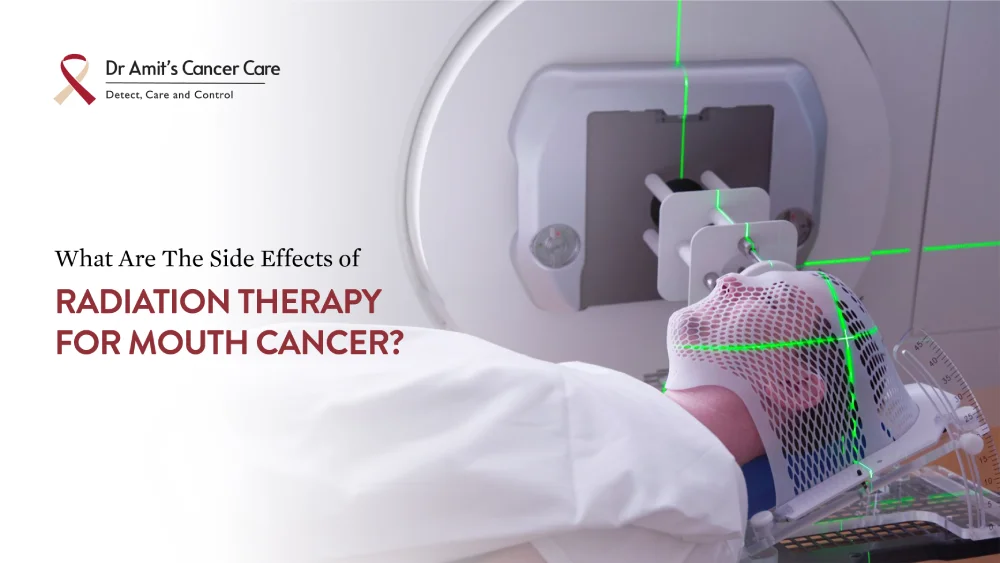
Radiation therapy delivers precisely targeted beams to the affected area. These beams damage the DNA of cancer cells, preventing them from dividing and growing.
Thus, radiation therapy is commonly used in Oral Cancer.
- It helps preserve structures like the jaw, tongue, and gums.
- It is less invasive compared to surgery in some cases.
- It improves survival rates when combined with other treatments.
Common Side Effects of Radiation Therapy for Mouth Cancer
Radiation doesn’t just impact cancer cells; it can also harm healthy tissues in the mouth. Here are the most common side effects:
- Dry Mouth (Xerostomia) and Salivary Gland Damage: Radiation often damages salivary glands, reducing saliva flow.
- Coping mechanisms: Sip water constantly throughout the day. Sugar-free gum and candy can stimulate saliva production. Your doctor may prescribe medications like pilocarpine to help your remaining salivary glands work harder. Artificial saliva products and special moisturising gels can provide temporary relief.
- Mouth Sores and Oral Mucositis: Mucositis is inflammation and ulceration of the mucous membranes lining your mouth and throat. Painful ulcers may develop on your tongue, inner cheeks, gums, and throat. These sores typically appear 2-3 weeks into treatment and can make eating, drinking, and even speaking extremely painful.
- Management strategies: Your healthcare team will recommend soft, bland foods and may prescribe special mouthwashes containing lidocaine for numbing. Some patients benefit from “magic mouthwash,” a prescription mixture that coats and soothes the affected areas of the mouth. Staying hydrated is crucial, even if swallowing is painful.
- Taste Changes and Loss of Appetite: Radiation damages taste buds, leading to altered or diminished taste sensation.
What happens: Foods may taste metallic, bitter, or simply bland. Sweet foods might taste less sweet, while bitter flavours become more intense. Some patients lose their sense of taste entirely for several months.
Adapting to changes: Experiment with different seasonings and temperatures. Cold foods are often better tolerated than hot ones. Marinating meats can improve palatability. Many patients find that taste gradually returns over 6-12 months after treatment ends, though full recovery isn’t guaranteed.
- Difficulty Swallowing (Dysphagia): Radiation can cause inflammation, making swallowing painful or difficult.
The progression: Swallowing difficulties typically worsen as treatment continues. You might start by struggling with dry foods, then progress to difficulty with liquids. Some patients require feeding tubes to maintain adequate nutrition.
Getting help: A speech-language pathologist can teach swallowing exercises to maintain muscle function. Start these exercises early, even before difficulties begin. Adjusting food textures to pureed or liquid forms may be necessary temporarily.
- Changes in Voice and Speech
Swelling, dry mouth, and altered tongue mobility can affect your speech. These side effects of radiation therapy for mouth cancer impact communication and self-confidence.
Speech therapy helps: A speech-language pathologist can provide exercises and strategies to improve clarity. Most speech changes improve gradually after treatment, though some hoarseness may persist.
- Jaw Stiffness and Bone Damage (Osteoradionecrosis)
Radiation can cause scarring and tightening of the jaw muscles, limiting the extent to which you can open your mouth. This progressive side effect of radiation therapy for mouth cancer can interfere with eating, dental care, and even speaking.
Prevention is key: Start jaw exercises immediately when treatment begins, before stiffness develops. Your therapist will teach specific stretching exercises. Using jaw exercise devices for just a few minutes several times a day can help prevent severe limitations.
- Gum Problems and Tooth Decay
Without adequate saliva to neutralise acids and wash away food particles, cavities can develop quickly. Some patients experience significant tooth loss within years of treatment.
Prevention is critical: See your dentist before starting radiation therapy. You’ll need a thorough cleaning and may require the extraction of problematic teeth beforehand. Daily fluoride treatments become mandatory for life. Impeccable oral hygiene is non-negotiable.
- Fatigue and General Weakness
The body uses extra energy to heal, leaving patients feeling tired and drained.
Why it happens: Your body is working overtime to repair radiation damage while fighting cancer. The stress, pain, poor nutrition, and the cumulative effect of daily treatments all contribute to extreme fatigue.
Energy management: Listen to your body and rest when needed. Balance activity with rest periods. Light exercise, like short walks, can actually help combat fatigue. Don’t hesitate to accept help with daily tasks.
- Skin Irritation Around the Treated Area
Skin may appear red, dry, or sensitive, similar to sunburn.
Appearance: Your skin may become red, dry, itchy, and eventually darken or peel. The affected area might include your face, neck, and jaw, depending on the treatment site.
Skincare tips: Use only gentle, fragrance-free products approved by your radiation team. Avoid sun exposure and refrain from applying anything hot or cold to the area. Moisturise regularly with recommended creams to minimise discomfort.
- Infections: Increased Vulnerability
Radiation temporarily weakens your immune system and damages the protective barriers in your mouth, making infections more likely among the side effects of radiation therapy for mouth cancer.
Types of infections: Fungal infections, such as thrush, are common. Bacterial infections can develop in mouth sores. Your risk of systemic infections also increases.
Staying vigilant: Watch for increased pain, white patches, fever, or pus. Report any signs of infection immediately. Your doctor may prescribe antifungal medications preventively.
Long-Term Side Effects of Radiation Therapy
Some effects last well beyond the treatment period.
Permanent Dry Mouth and Chronic Oral Health Issues
For many, a dry mouth persists, leading to lifelong dental issues.
Risk of Secondary Cancers
Radiation exposure slightly increases the risk of developing another cancer in the future.
Voice and Speech Changes
Swelling or damage to tissues can affect speech clarity.
Emotional and Psychological Impact
Coping with long-term discomfort often leads to stress, anxiety, or depression.
Managing Side Effects: Your Action Plan
Understanding the side effects of radiation therapy for mouth cancer is only half the battle—actively managing them makes the difference between enduring treatment and tolerating it reasonably well.
Before treatment starts:
- Complete all dental work and cleanings
- Meet with a nutritionist to plan for dietary changes
- Stock up on recommended mouth care products
- Learn exercises to prevent jaw stiffness
- Consider banking statements or important calls if speech becomes difficult
During treatment:
- Perform oral care rituals religiously at least four times daily
- Stay ahead of pain rather than waiting for it to become severe
- Maintain caloric intake even when eating is challenging
- Continue jaw and swallowing exercises daily
- Communicate openly with your healthcare team about all symptoms
After treatment:
- Continue protective measures indefinitely
- Attend all follow-up appointments
- Report new or worsening symptoms promptly
- Be patient—recovery takes months
- Join support groups to connect with others who understand
Alternative and Supportive Therapies
- Physical Therapy and Speech Therapy
- Helps restore jaw movement and improve speech function.
- Nutritional Counselling and Supplements
- A dietitian can recommend nutrient-rich meals and supplements to help maintain a healthy weight.
- Mental Health Support and Counselling
- Therapy or support groups provide emotional strength during treatment.
- Coping with the Side Effects of Radiation Therapy for Mouth Cancer
Radiation therapy for mouth cancer is life-saving, but its side effects can be challenging. From dry mouth and mouth sores to long-term speech and dental issues, patients often experience both physical and emotional struggles.
The good news? With proper care, preventive measures, and supportive therapies, most side effects can be effectively managed, allowing patients to focus on recovery and achieving an improved quality of life.
If you or a loved one is undergoing treatment, remember you’re not alone. Support groups, doctors, and caregivers can provide the proper guidance to make the journey smoother.


 Aug 20, 2024