
Advanced cancer treatments are often associated with severe exhaustion and widespread hair loss. One of the lesser-known yet most effective weapons against symptoms of thyroid cancer is a single, targeted pill that leaves healthy cells completely untouched.
While the word “radioactive” might sound scary at first, radioactive iodine therapy is actually one of the smartest and most precise treatments in medical history. Instead of attacking your whole body like traditional chemotherapy, it tricks cancer cells by using their own natural habits against them.
If you or someone you love is navigating this diagnosis, knowing how it works can help you feel more at ease.
What is Radioactive Iodine Therapy?
To easily grasp what is radioactive iodine therapy, you only need to know one basic fact about human biology: your thyroid gland is incredibly hungry for iodine. It uses it to manufacture the vital hormones that manage your weight, energy, and metabolism. No other organ or tissue in the body consumes iodine this way.
Malignant thyroid cells keep this exact same biological hunger. Radioactive iodine therapy (often called RAI or I-131) works entirely on this unique trait.
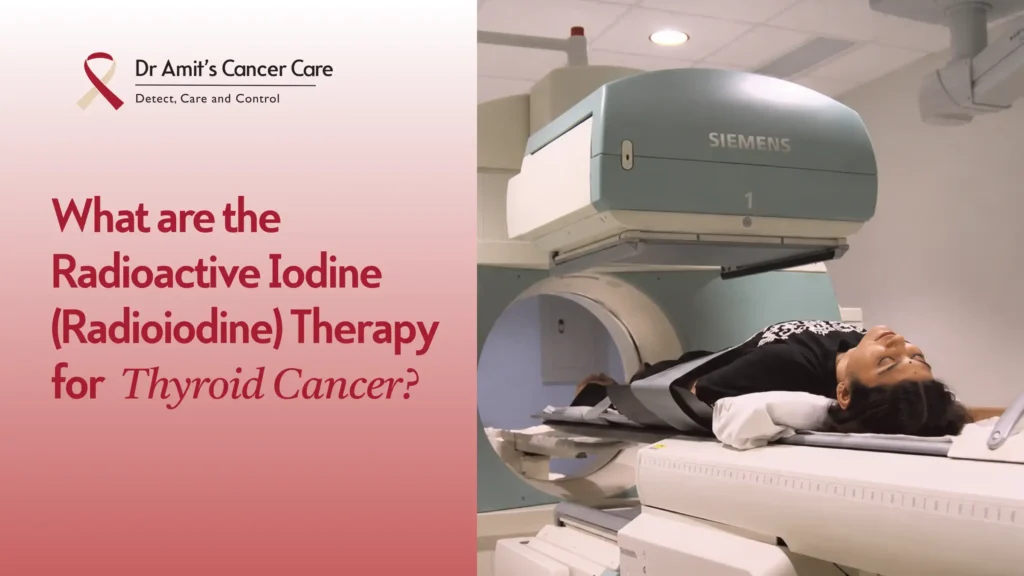
When a patient undergoes radioiodine therapy, it works through a simple process:
- Rapid Absorption: The stomach quickly absorbs the oral dose into the bloodstream.
- Targeted Hunting: Any remaining thyroid tissue or cancer cells pull the passing iodine deep inside themselves.
- Cellular Destruction: Once trapped inside, the radioactive isotope releases a microscopic wave of localized energy that breaks the cell’s DNA.
Because this localized radiation only travels a few millimetres, it destroys the harmful cells while keeping the rest of your body safe.
Radioactive Iodine Therapy for Thyroid Cancer
Using radioactive iodine therapy for thyroid cancer is rarely a primary standalone treatment. Instead, it serves as a highly dependable backup defence after you have undergone a total or near-total thyroidectomy.
When a surgeon removes the thyroid gland, it is nearly impossible to clear away every single microscopic cell without risking nearby vocal cords or parathyroid glands.
Therefore, RAI is given post-surgery for two fundamental reasons:
- Ablation of Remnant Tissue: It completely wipes out any normal, benign thyroid tissue left behind in the neck bed, making future blood surveillance far more accurate.
- Adjuvant Therapy: It targets and hunts down hidden cancer cells that may have migrated to regional neck lymph nodes or distant areas.
Not every patient with a thyroid malignancy will automatically require this pill. If a tumour is small and confined, close monitoring is often enough. However, for intermediate or high-risk profiles, it is heavily recommended because it significantly lowers the chance of recurrence.
Radioactive Iodine Therapy for Papillary Thyroid Cancer
Papillary thyroid carcinoma represents the vast majority of all diagnosed thyroid cases. Fortunately, the clinical track record of radioactive iodine therapy for papillary thyroid cancer is exceptionally high and well-proven (Lee et al., 2025; Li et al., 2024).
Because papillary cells are highly differentiated, they maintain an excellent capacity to trap iodine, making them particularly amenable targets for ablation. Using radioactive iodine therapy for papillary thyroid cancer after surgical removal gives patients a strong sense of security and helps them achieve long-term remission.
The Big Exception: Hyperthyroidism and Thyroiditis
While RAI is famous in the oncology world, its localized destructive power is also widely used for non-cancerous conditions. Endocrinologists regularly use radioactive iodine therapy for hyperthyroidism, such as Graves’ disease or toxic nodules where the gland produces way too much hormone. A lower, carefully calculated dose can calm down or disable the overactive tissue, bringing metabolism back to a safe balance.
However, a clear medical boundary must be established when dealing with general gland inflammation. Attempting to use radioactive iodine therapy for thyroiditis requires careful diagnostic screening.
Thyroiditis is a temporary swelling or inflammation that can cause hormones to leak into the blood, superficially mimicking a hyperactive thyroid. But because the inflamed cells are temporarily damaged, they have very low iodine uptake.
As a result, treating viral or temporary thyroiditis with radioactive iodine therapy may be clinically ineffective and inappropriate (Ross et al., 2016) . The cells simply will not absorb the isotope, which is why RAI is strictly reserved for true hyperthyroid states or active cancer lesions.
Doctor Amit’s Note: If you experience a persistent lump in your neck, a lasting change in your voice, or unexplained swallowing discomfort that continues for more than two weeks without getting better, see a specialist. Do not wait for symptoms to get worse; early diagnostics change outcomes.
Potential Risks and Side Effects
Because the capsule concentrates almost completely inside thyroid tissue, systemic complications are minimal. Even so, you should prepare yourself for a few common radioactive iodine therapy side effects.
Salivary Gland Swelling
Your salivary glands naturally absorb a small fraction of iodine, which can cause temporary pain or dry mouth. Drinking plenty of water and sucking on sour lemon candies 24 hours post-dose helps keep saliva flowing.
Taste Alterations
Some individuals report a brief metallic taste or temporary loss of taste acuity for a few weeks.
Mild Nausea
You may experience mild stomach discomfort during the very first day of ingestion.
Chronic Hypothyroidism
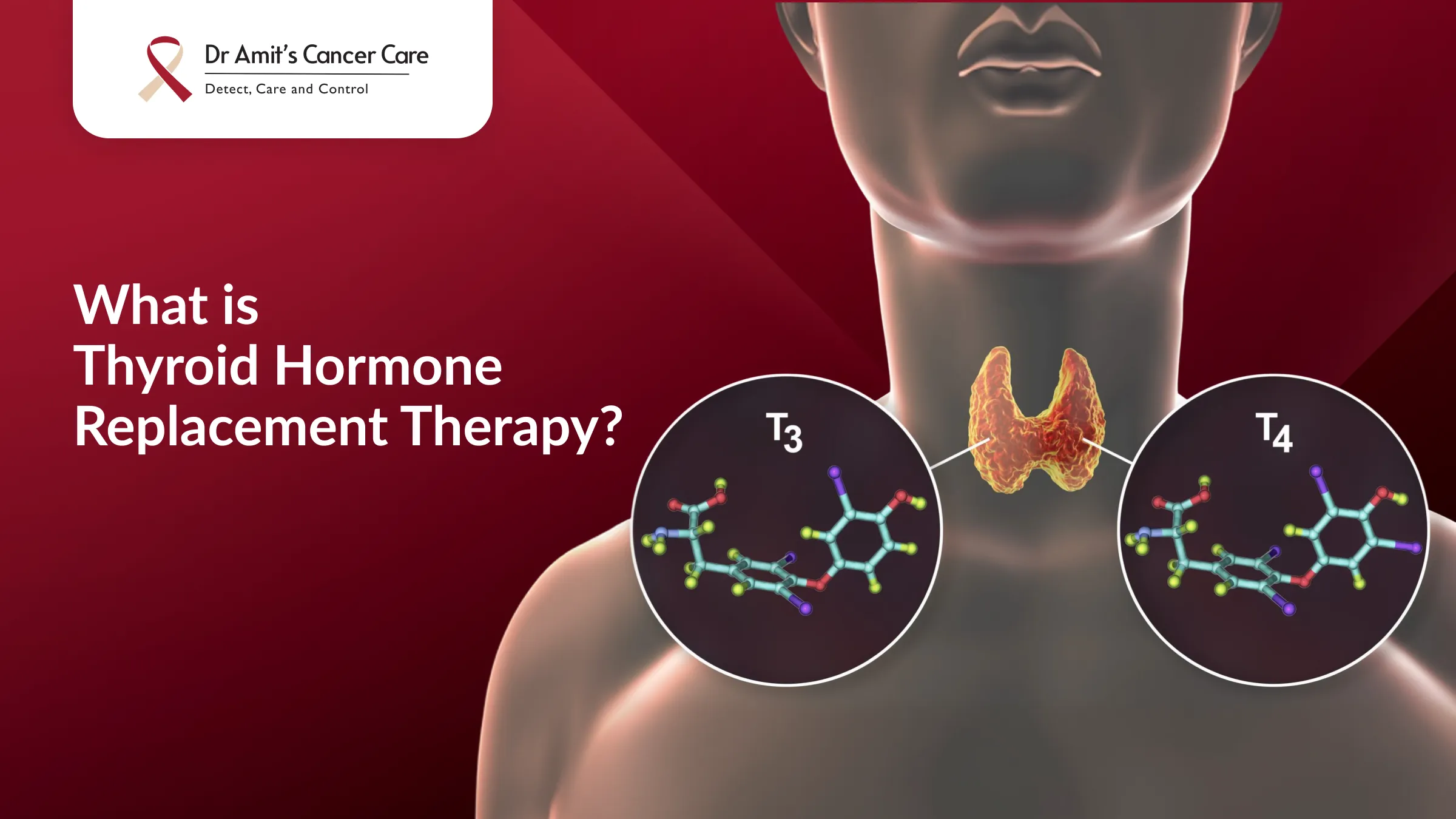
This condition is the expected outcome. Once the thyroid cells are destroyed, your body can no longer produce metabolism-regulating hormones. This is easily managed with a small, daily pill for thyroid hormone replacement (levothyroxine) for the rest of your life.
Fertility Guidelines
Women must strictly avoid becoming pregnant for 6 to 12 months post-treatment to protect a developing baby from residual radiation.
Preparing for Your Treatment Session
To maximise the success of your ablation, you must make your remaining thyroid cells incredibly starved and eager to absorb the treatment.
- The Low-Iodine Diet: For about two weeks before your session, you must avoid iodised salt, seafood, dairy, and eggs. If your body is already full of regular dietary iodine, the cancer cells will be “stuffed” and will let the radioactive capsule pass right by.
- Elevating TSH Levels: Thyroid-stimulating hormone tells cells to open up and absorb iodine. Doctors achieve this effect either by briefly stopping your thyroid medications or by administering comfortable injections of a drug called Thyrogen right before treatment.
Post-Treatment Isolation and Radiation Safety
Following your oral dose, your body will temporarily emit low levels of radiation, and unabsorbed isotopes are excreted through sweat, saliva, and urine for 3 to 5 days.
To protect your loved ones and the public, you will need to follow basic isolation rules:
- Keep a safe distance (at least 6 feet) from others, especially young kids and pregnant women.
- Sleep in a separate bed and, if possible, use a dedicated bathroom.
- Flush the toilet twice after each use and wash your hands extra thoroughly.
- Wash your dishes, linens, and clothes separately from the rest of your household.
These precautions fade quickly as the isotope breaks down naturally, letting you return to your normal social routines within a week.
The Bottom Line
Radioiodine stands as a remarkably smart, precise, and highly successful tool for beating thyroid disorders. Whether you are using it as a primary agent in radioactive iodine therapy for thyroid cancer or as a corrective measure for a hyperactive metabolism, its long history of excellent patient outcomes is well established.
Every clinical journey is unique, and managing the nuances of diet prep and radiation safety requires expert oversight. If you are preparing for this procedure or need clear guidance on a symptom, explore the clinical insights available at Dr Amit’s Cancer Care Blogs and book a consultation today.
References
Li, X., Zheng, H., Ma, C., Ji, Y., Wang, X., Sun, D., Meng, Z. and Zheng, W., 2024. Higher adjuvant radioactive iodine therapy dosage helps intermediate-risk papillary thyroid carcinoma patients achieve better therapeutic effect. Frontiers in Endocrinology, 14, p.1307325.
Lee, H.A., Song, C.M., Ji, Y.B., Tae, K., Kim, D.S. and Chang, J.W. (2025) ‘Efficacy of postoperative radioactive iodine therapy for patients with low and intermediate risk papillary thyroid carcinoma’, Endocrine, 87(3), pp. 685–696. Available at: https://doi.org/10.1007/s12020-024-04046-1.
Ross, D.S., Burch, H.B., Cooper, D.S., Greenlee, M.C., Laurberg, P., Maia, A.L., Rivkees, S.A., Samuels, M.H., Sosa, J.A., Stan, M.N. and Walter, M.A., 2016. 2016 American Thyroid Association guidelines for diagnosis and management of hyperthyroidism and other causes of thyrotoxicosis. Thyroid, 26(10), pp.1343-1421.


 Aug 20, 2026