
When we talk about Human Papillomavirus (HPV), most people immediately think of cervical cancer. However, what many don’t realise is that HPV can also play a significant role in causing head and neck cancers, including those of the throat, tonsils, and tongue. Over the past decade, medical research has drastically changed our understanding of these cancers. What was once thought to be caused mainly by tobacco and alcohol is now increasingly linked to HPV infection.
Let’s break down the myths and facts about HPV and head & neck cancers, what they really mean, how they develop, and most importantly, how they can be prevented.
What Is HPV and How Does It Spread?
HPV stands for Human Papillomavirus, a large family of more than 200 related viruses. These viruses spread through intimate skin-to-skin contact, including oral and genital contact. Not all HPV types cause serious harm; many are harmless and go away on their own. However, a few “high-risk” strains, particularly HPV-16 and HPV-18, are known to cause cancer in different parts of the body.
While the immune system clears most infections naturally within one to two years, persistent infection with these high-risk strains can cause abnormal changes in the cells of the throat and mouth, eventually leading to cancer in rare cases.
Understanding Head and Neck Cancers
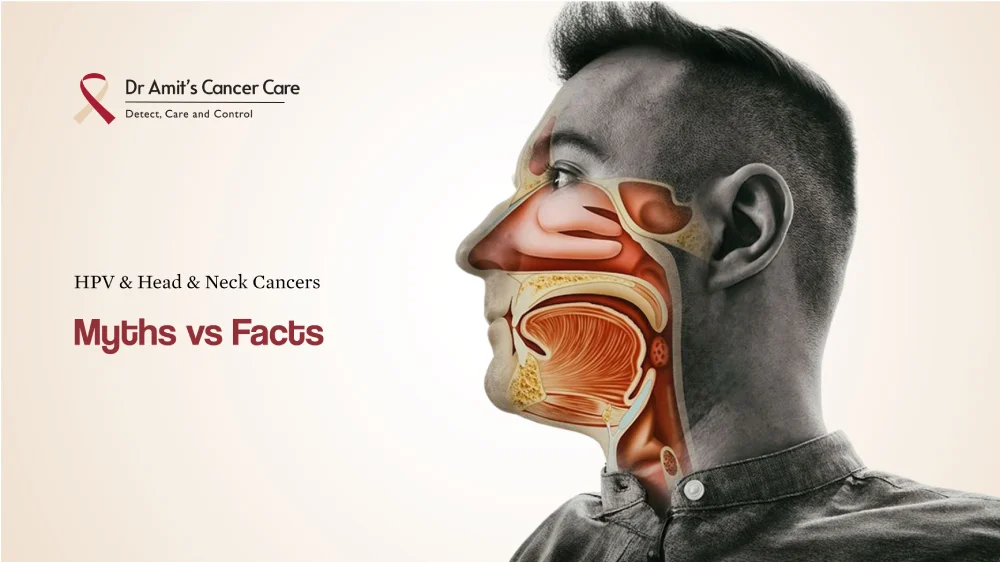
Head and neck cancers include a group of malignancies that begin in the lining of the mouth, throat, nose, or voice box. When linked to HPV, these are called HPV-positive head and neck cancers, which behave differently from those caused by tobacco or alcohol.
The most common HPV-related sites include:
- The oropharynx, which includes the tonsils and the base of the tongue.
- The throat and mouth are where cancerous lesions often develop quietly.
People diagnosed with HPV-positive head and neck cancer are typically younger and non-smokers. The tumor often appears as a painless lump in the neck or as a persistent sore throat that refuses to heal.
Early detection is vital because it significantly increases survival rates.
The Link Between HPV and Head & Neck Cancers
According to the World Health Organization (WHO) and the Centers for Disease Control and Prevention (CDC), HPV is currently the most common cause of oropharyngeal cancer in many nations. In reality, studies show that HPV, specifically strain HPV-16, causes more than 70% of throat cancers in the United States.
HPV affects the mucous membranes of the throat and tonsils when in close contact. Once the virus has integrated into the DNA of these cells, it can trigger mutations that result in uncontrolled cell development, which is a characteristic of cancer.
What’s more interesting is that HPV-positive head and neck cancers tend to have a better prognosis than HPV-negative ones. This means that patients with HPV-related tumors often respond better to radiation and chemotherapy, offering a much higher chance of recovery.
Myths vs Facts About HPV and Head & Neck Cancers
Despite substantial medical data, misinformation regarding HPV continues to spread. Let us respond to some of the most frequent falsehoods.
Myth 1: HPV only causes cervical cancer.
Fact: HPV is responsible for several cancers, including those of the throat, tonsils, tongue, and even the anus and penis. Both men and women are at risk.
Myth 2: Only smokers and drinkers get throat cancer.
Fact: While tobacco and alcohol are major risk factors, HPV-positive throat cancers often occur in non-smokers and younger individuals who lead otherwise healthy lifestyles.
Myth 3: An HPV infection automatically means you’ll get cancer.
Fact: Most HPV infections clear on their own. Cancer only develops in a small number of people when the infection persists for years.
Myth 4: Men don’t need the HPV vaccine.
Fact: The vaccine protects both men and women. HPV doesn’t discriminate by gender, and men are more likely to develop HPV-related throat cancers.
Myth 5: The HPV vaccine promotes unsafe behavior.
Fact: Numerous studies from the CDC and WHO show no link between vaccination and changes in sexual behavior. The vaccine prevents infection from cancer-causing strains.
Myth 6: Throat cancer symptoms in women are easy to notice.
Fact: Unfortunately, throat cancer symptoms in women are often subtle and can mimic common problems like sore throat, reflux, or ear pain, making early diagnosis difficult.
Myth 7: HPV-related cancers cannot be treated.
Fact: HPV-positive head and neck cancers often have better treatment outcomes, with high cure rates when detected early.
Myth 8: Only sexually active people get HPV.
Fact: HPV can spread through any skin-to-skin contact, not just intercourse. Even brief contact can transmit the virus.
Myth 9: Once you have HPV, you can’t clear it.
Fact: The immune system can often eliminate HPV naturally within a year or two, especially in young, healthy individuals.
Myth 10: The HPV vaccine isn’t effective for head and neck cancers.
Fact: While initially developed to prevent cervical cancer, the HPV vaccine for head and neck cancer is proven to protect against HPV-16 and HPV-18 the same strains that cause oropharyngeal cancers.
HPV-Positive Head and Neck Cancer: What It Means
If you have been diagnosed with HPV-positive head and neck cancer, it signifies that the tumor cells contain HPV DNA. These tumors typically have a better prognosis and cure rates than HPV-negative ones.
Doctors are now studying therapeutic de-escalation, which entails utilizing less harsh medicines to attain the same cure rates but causing fewer adverse effects and preserving the patient’s quality of life.
Throat Cancer Symptoms in Women: Don’t Ignore the Signs
Throat cancer can affect anyone, but it’s particularly under-recognized in women. The symptoms can be subtle and are often mistaken for minor issues.
Watch out for signs like:
- Persistent sore throat lasting more than two weeks
- Pain or difficulty swallowing
- Unexplained ear pain
- A lump in the neck
- Voice changes or hoarseness
Women who have these symptoms, especially if they don’t go away with frequent treatment, should contact an oncologist or ENT specialist for medical guidance.
Early examination can make a big difference in stopping the disease from getting worse.
The HPV Vaccine: A Game-Changer for Prevention
The HPV vaccine for head and neck cancer is one of the best ways to stop cancer before it starts. It works by teaching the immune system to find and kill HPV before it can infect cells.
The CDC says that boys and girls aged 9 to 14 should get the vaccine, and it’s best to do so before they come into contact with the virus. Adults up to 45 years old can also benefit after talking to a doctor.
There are decades of proof that the vaccination works, is safe, and lasts a long time. Countries with high vaccination rates have seen a huge decline in the number of malignancies attributable to HPV.
Diagnosing HPV-Related Head & Neck Cancers
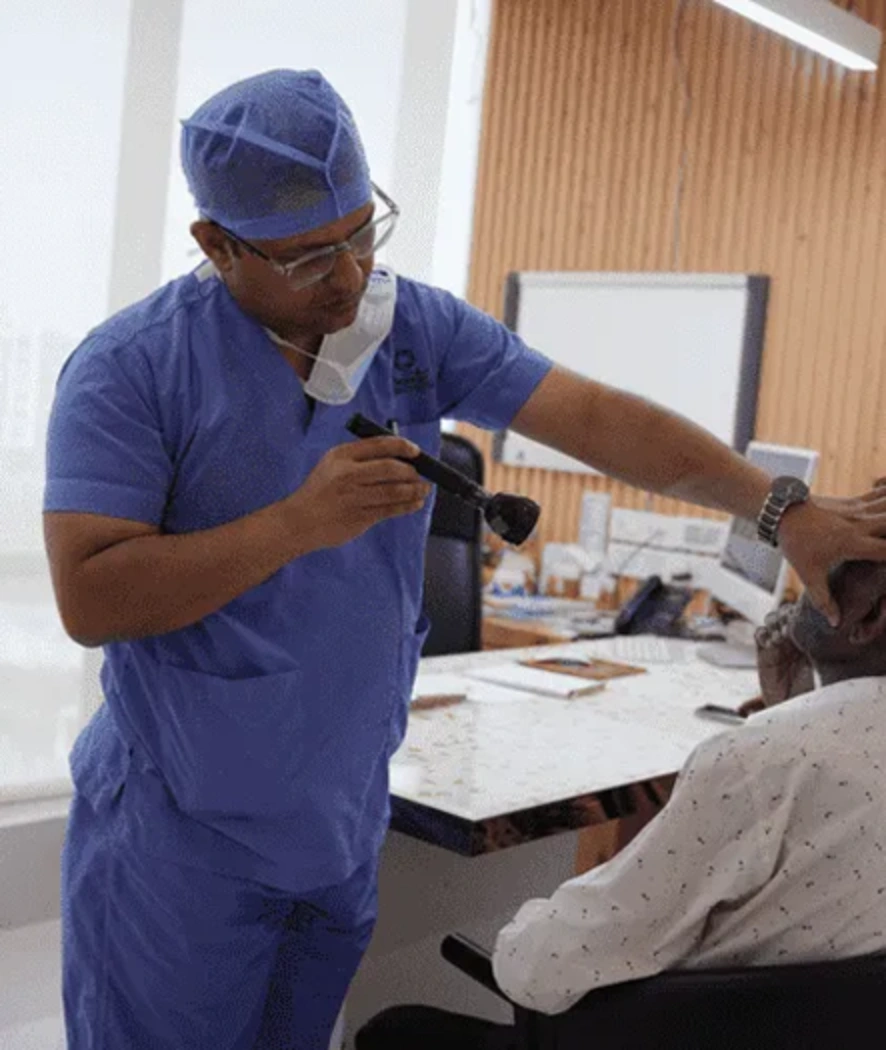
Diagnosis usually starts with a physical examination and a review of your symptoms. If a lump or suspicious lesion is found, your doctor may recommend:
- HPV testing on biopsy tissue
- Imaging tests such as MRI, CT, or PET scans to check for spread
- Endoscopic evaluation to visualize the throat and voice box
Early detection allows for less invasive treatments and better functional outcomes. If you experience ongoing symptoms, reach out to an expert like Dr. Amit Chakraborty, a leading Head and Neck Oncosurgeon, for proper assessment.
Treatment and Outlook
The stage and location of the cancer determine treatment options. The options include:
- Surgery to remove the tumor
- Radiation therapy to target remaining cancer cells.
- Chemotherapy or immunotherapy for advanced or recurring illness.
The good news is that HPV-positive head and neck cancers are extremely curable. Many patients enjoy long, healthy lives after their recovery, particularly with continuing monitoring and therapy.
Prevention Beyond Vaccination
Vaccination is only part of the solution. You can lower your risk of HPV infection and related cancers by:
- Practicing safe intimate contact
- Avoiding tobacco and limiting alcohol
- Maintaining good oral hygiene
- Eating a diet rich in fruits and antioxidants
- Getting regular health checkups
Lifestyle choices play a significant role in reducing your overall cancer risk.
Disclaimer: This article is for educational purposes only and should not replace professional medical advice. Always consult your doctor or an oncologist for personalised recommendations.
Myths That Delay Diagnosis and Treatment
Delaying medical consultation because of myths can cost valuable time. Many people ignore persistent throat pain or neck lumps, thinking they’re due to infection or allergies. Remember, early diagnosis saves lives.
If you have doubts, it’s better to get evaluated early. A simple test can provide clarity and peace of mind.
Living Beyond HPV-Related Cancer
Recovering from HPV-related cancer involves not just medical treatment but also emotional healing. Patients often benefit from:
- Support groups
- Speech and swallowing therapy
- Nutritional counseling
- Regular follow-ups to monitor recurrence
With modern therapies and personalised care, survivors are leading active, fulfilling lives.
Expert Insight: Dr. Amit Chakraborty
Dr. Amit Chakraborty, a leading Head and Neck Oncosurgeon, specialises in the treatment of HPV-related cancers. His patient-first approach combines advanced surgical techniques with compassionate care, helping patients regain health and confidence.
For personalised guidance or to learn more about HPV-related head and neck cancers, visit DrAmitChakraborty.com.
The Final Takeaway
HPV-related head and neck cancers are among the most preventable and treatable forms of cancer today. Through awareness, early detection, and vaccination, we can protect future generations.
If you or someone you know is experiencing persistent throat symptoms or wants to learn more about the HPV vaccine for head and neck cancer, don’t wait.
Book a consultation with Dr. Amit Chakraborty today to receive expert care, accurate information, and compassionate support.


 Sep 22, 2025