
The moment you hear “you may need chemotherapy,” everything else fades into the background. Questions rush in. Fear follows. And somewhere in between, you’re trying to make sense of what comes next.
If you’ve been advised chemotherapy for oral cancer, it’s natural to feel overwhelmed. Most people do. You start searching, reading, comparing and suddenly, there’s too much information, and not enough clarity. Let’s slow this down together.
Here’s what matters:
Oral cancer chemotherapy is not a random or last-minute decision. It’s a carefully planned step designed to control the disease, reduce its spread, and improve your chances of recovery. Think of it less like something happening to you, and more like a strategy working for you.
You might also hear about oral chemotherapy drugs and wonder if treatment always means hospital visits or if there are simpler options. We’ll get into that clearly, step by step.
At its core, this journey is not just about treating cancer. It’s about protecting how you speak, eat, and live your life after treatment, something deeply aligned with a multidisciplinary, patient-first approach .
Right now, you don’t need to figure everything out. Just take this one step. We’ll walk through it together.
Chemotherapy for Oral Cancer: What It Is and How It Works
Chemotherapy for oral cancer is a treatment that uses medicines to destroy cancer cells or stop them from growing. Cancer cells multiply quickly. Chemotherapy targets these fast-growing cells and slows them down or eliminates them.
Think of it like a cleanup crew. Not a random one but a focused team sent in with a clear job: find the harmful cells and stop them before they spread further.
So, what is actually happening inside your body?
Cancer cells don’t follow normal rules. They grow uncontrollably. Chemotherapy steps in and disrupts that growth cycle. It either:
- Damages the cancer cell’s DNA
- Stops it from dividing
- Or triggers it to die
What is Oral Chemotherapy?
It simply means taking chemotherapy in the form of pills or capsules instead of through an IV drip.
There are two main types of treatment:
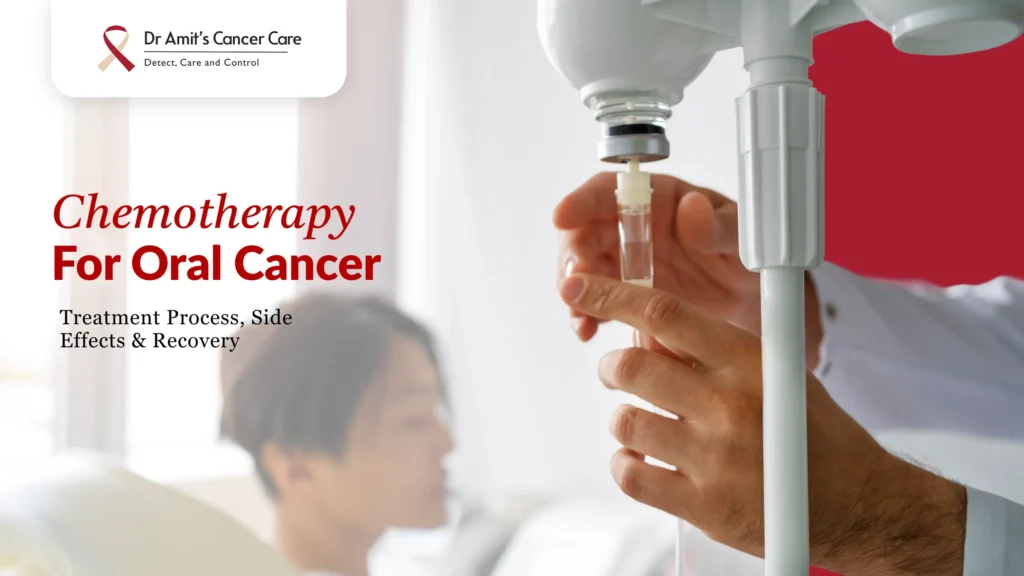
- IV Chemotherapy
Given in a hospital or daycare setting. Doctors monitor you closely during each session. - Oral Chemotherapy drugs
Taken at home, usually on a schedule. This gives you flexibility but also responsibility. You need to follow timing and dosage carefully.
Both approaches use chemotherapy drugs for oral cancer, just delivered in different ways. Your doctor chooses what suits your condition, stage, and overall health.
Where Does Chemotherapy Fit in Your Treatment Plan?
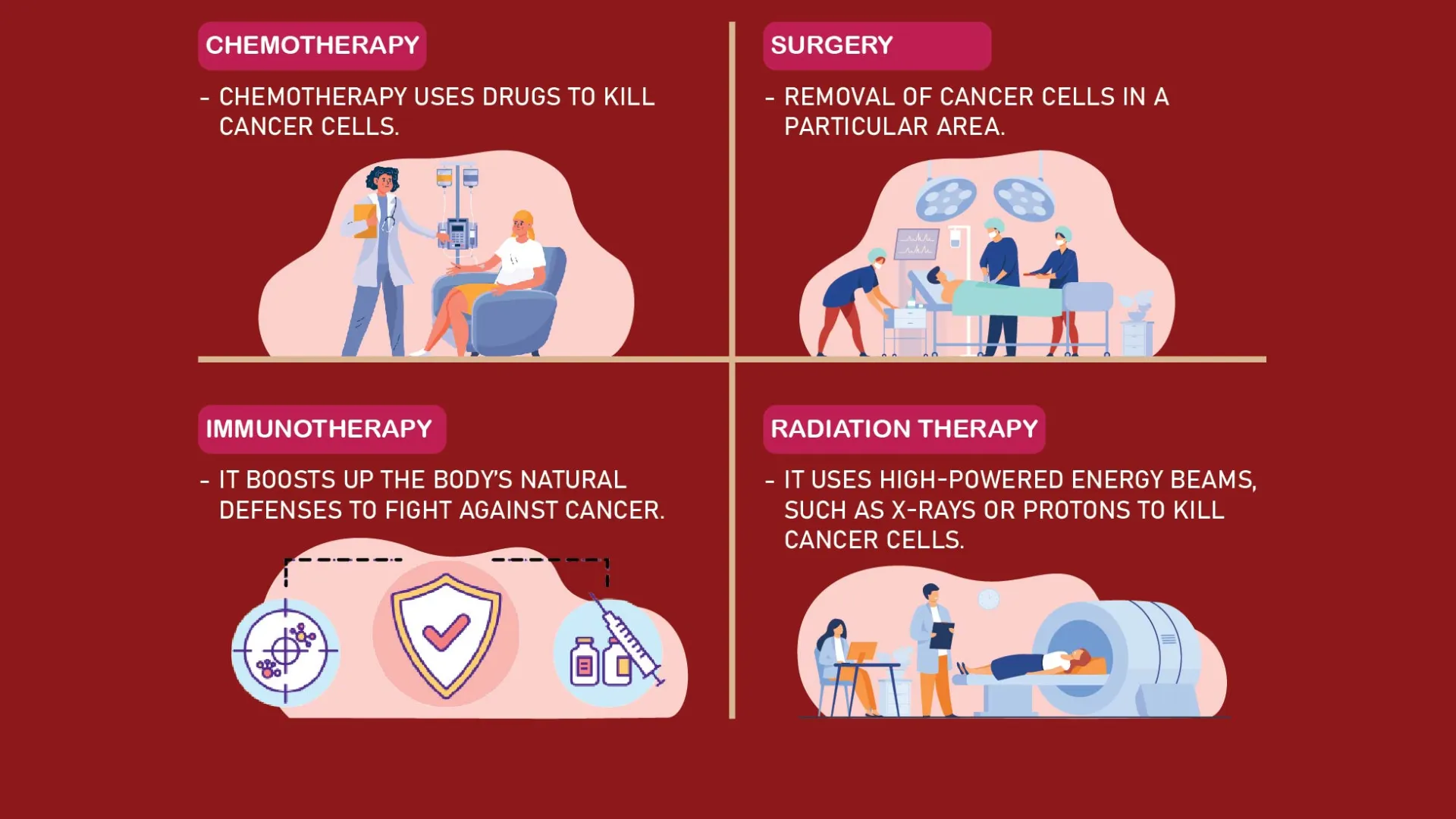
Chemotherapy is rarely used alone. It works as part of a larger, coordinated plan:
- Before surgery (Neoadjuvant chemotherapy)
Shrinks the tumor, making it easier to remove - After surgery (Adjuvant chemotherapy)
Targets any remaining cancer cells - Along with radiation (Chemoradiation)
Makes radiation more effective
This is where a multidisciplinary team becomes important surgeons, oncologists, and radiation specialists working together so that treatment is not just effective, but also preserves your speech, swallowing, and appearance as much as possible
The Treatment Process: What Actually Happens
This is the part most people worry about.
Not the word “chemotherapy” but everything around it.
What will happen? How will it feel? What does a normal day even look like?
Let’s walk through it, step by step. No surprises.
Step 1: Before Treatment Begins
Before your first session of chemotherapy for oral cancer, your care team prepares your body carefully.
- Dental check-up
This might feel unexpected. But it matters. Chemotherapy can make your mouth sensitive, so treating any existing dental issues early reduces complications later. - Baseline tests
Blood tests, scans, and overall health checks help doctors understand where you stand right now. Think of this as your starting point.
This phase is quiet. But it sets the tone for everything that follows.
Step 2: Understanding Chemo Cycles
Chemotherapy doesn’t happen every single day. Your body needs time to recover. So treatment runs in cycles.
Here’s a simple way to picture it:
- A few days of treatment
- Followed by a break (recovery time)
That entire period = one cycle.
For example:
You might receive treatment on Day 1, then rest for 2–3 weeks before the next cycle. These pauses are not delays. They’re intentional. Your body uses this time to rebuild strength.
Step 3: A Day in the Chemo Room
Let’s remove the fear of the unknown.
On the day of IV treatment, you usually sit in a comfortable recliner. Not an operating table. Not a rushed environment.
- A nurse places an IV line
- The medication flows slowly through a drip
- Your vitals are monitored regularly
Some people read. Some watch something on their phone. Some just sit quietly. There are small conversations. Gentle check-ins. It’s more human than most expect. The first session often feels the most uncertain. After that, you start understanding your rhythm.
Step 4: If You’re on Oral Chemotherapy
If your plan includes oral chemotherapy, your routine looks different. You take oral chemotherapy drugs at home, usually at the same time every day.
Sounds simple. But it comes with responsibility:
- Stick to the exact schedule
- Don’t skip doses
- Inform your doctor about any side effects early
Think of it like a daily commitment. Quiet, consistent, and just as powerful as hospital-based treatment when used correctly.
Managing Oral Cancer Chemotherapy Side Effects
This is often the hardest part to even think about. Before treatment begins, most people ask the same question: “Will I be able to handle the side effects?”
Yes, oral cancer chemotherapy side effects can happen. But they are predictable, manageable, and temporary in most cases. Your care team doesn’t wait for problems to appear; they guide you through them step by step.
1. Mouth Sores (Mucositis)
This is one of the most common oral chemotherapy side effects. Your mouth lining renews quickly. Chemotherapy affects fast-growing cells, so this area can become sensitive or sore.
What it may feel like: A burning sensation while eating. Small ulcers. Discomfort while swallowing.
What helps:
- Gentle oral care with a soft toothbrush
- Frequent sips of water
- Medicated mouth rinses recommended by your doctor
Think of your mouth as healing skin. It needs care, not irritation.
2. Taste Changes & Appetite Loss
Many patients say this surprises them more than anything else. Food may taste metallic. Or completely bland. Even your favorite meal may not feel the same.
What you can do:
- Choose soft, mild foods
- Eat smaller portions more often
- Try foods at different temperatures to see what feels better
Simple meals often work best here: khichdi, soups, and smoothies. Familiar. Easy.
3. Fatigue
This is not regular tiredness. You may wake up feeling low on energy, even after rest. That’s because your body is working hard to recover between cycles.
What helps:
- Balance rest with light activity (short walks, gentle movement)
- Listen to your body’s signals instead of pushing through
Some days will feel better than others. That’s normal.
4. Other Possible Effects
Depending on your treatment plan, you might notice:
- Dry mouth
- Increased risk of infections
- Mild difficulty in swallowing
Not everyone experiences all of these. And when they do occur, your doctors adjust medications and supportive care quickly.
Life During Treatment: Finding Your Rhythm Again
Somewhere between appointments, medications, and rest… real life continues. And this is the part no one explains clearly. You don’t pause your life during chemotherapy for oral cancer.
You adjust it. Gently. Day by day.
1. Food Becomes Simpler and More Personal
Eating may not feel the same for a while. Taste shifts. Appetite dips. Some days feel easier than others.
So you adapt.
- Soft, warm foods become your comfort zone
- Khichdi, dal, soups, smoothies, mashed vegetables
- Small meals, more often instead of large portions
There’s no “perfect diet” here. Only what works for you on that day.
2. The Emotional Side (No One Talks About Enough)
Treatment is not just physical.
There are quiet moments:
- Waiting for reports
- Thinking about the next cycle
- Conversations at home that feel heavier than usual
You may notice your mind racing ahead while your body is still catching up. This is normal. And this is where support matters not just medically, but emotionally.
3. Your Support System Becomes Your Strength
You don’t go through this alone.
- Your doctors guide each step
- Caregivers help with daily routines
- Friends and family show up in small but meaningful ways
Even simple things like someone sitting with you during a meal, or accompanying you to a session make a difference. This is exactly why a coordinated care approach matters. When specialists work together, your treatment feels less fragmented and more guided .
4. Finding Your “New Normal”
Life during treatment looks different. But it still moves forward.
You start noticing small wins:
- Finishing a full meal
- Completing a chemo cycle
- Feeling slightly more energetic than last week
These moments count. They remind you that progress is happening even if it feels slow.
Recovery and What Comes Next
Finishing treatment brings a different kind of moment.Relief, yes. But also a quiet question: “What now?” Because the end of chemotherapy for oral cancer is not the end of the journey. It’s the beginning of recovery.
1. The Transition Phase
In the first few weeks after treatment:
- Your body starts rebuilding strength
- Your mouth begins to heal
- Energy levels slowly improve
This phase can feel uneven. Some days you feel almost like yourself. Other days feel slower. That’s normal. Your body has been through a lot. Now it’s recalibrating.
2. What Recovery Actually Looks Like
Recovery is gradual. Not overnight.
You may notice:
- Food becoming easier to eat again
- Taste slowly returning
- Less fatigue over time
At the same time, your care team schedules follow-ups and scans. These are not just routine, their help ensures everything is moving in the right direction.
3. Beyond Treatment: Function Matters
Recovery is not only about removing cancer.
It’s about getting your life back.
- Speaking comfortably
- Swallowing without discomfort
- Maintaining your appearance and confidence
This is where a multidisciplinary approach truly matters, treatment and rehabilitation working together so your quality of life is preserved, not compromised.
You Are Stronger Than You Think
By now, things probably feel a little clearer.
What once sounded overwhelming chemotherapy for oral cancer now has structure, steps, and meaning. You know what to expect. You understand how it works. And most importantly, you know that you’re not walking into the unknown anymore.
Yes, there will be challenging days. But there will also be progress. Quiet, steady progress.
Every cycle you complete. Every meal you manage. Every step forward counts.
If you’re preparing for treatment, take a moment to write down your questions. Talk to your doctor. Clarity changes everything. Because this is not just about treatment. It’s about getting back control. Your strength. Your life. And you are far more capable of this journey than you think.
If you found this article helpful, consider sharing it with family members, friends, or colleagues. A simple conversation or shared resource can help get clarity early.
Being informed empowers better health decisions. By spreading awareness, you help ensure that the people you care about are better prepared to act early, calmly, and confidently when it matters most.
If you have any further questions feel free to reach us. at +91 – 86577 17988 An early conversation is always best when it comes to our health matters.


 Feb 20, 2026