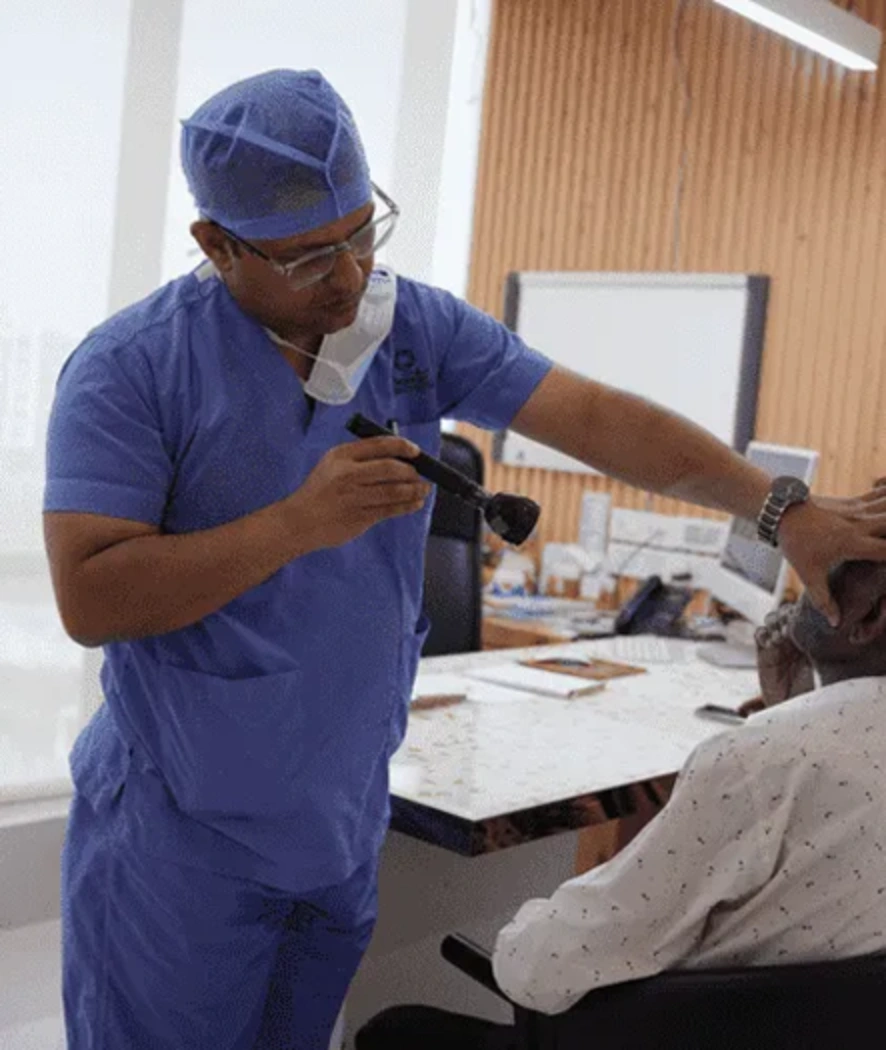
Laryngeal Cancer

Overview
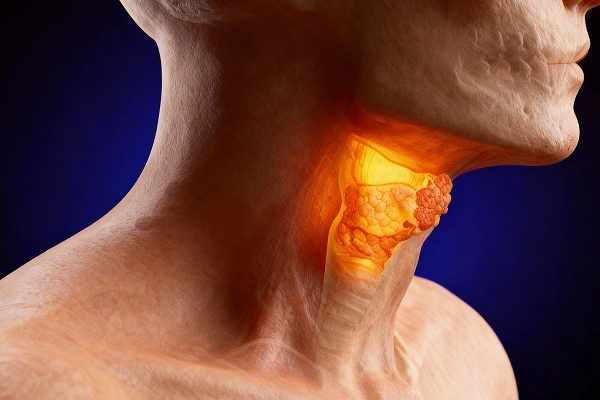
Laryngeal cancer is a malignancy that develops in the tissues of the larynx, also known as the voice box, located in the throat. It plays a critical role in breathing, speaking, and swallowing. Early detection of laryngeal cancer is essential for effective treatment and improved prognosis. Understanding laryngeal cancer symptoms and risk factors can help facilitate timely diagnosis. Treatment options vary depending on the cancer stage and type, involving surgery, radiation therapy, chemotherapy, and targeted therapies. Early intervention enhances survival rates, preserves vital functions, and improves quality of life.
Recognise symptoms early and seek expert evaluation promptly.
Timely action is key to successful laryngeal cancer treatment outcomes.
Book Consultation
What is Laryngeal Cancer?
The laryngeal cancer definition refers to the uncontrolled growth of abnormal cells in the larynx, the organ responsible for voice production, breathing, and swallowing. It can affect different parts of the larynx, including the glottis, supraglottis, and subglottis. Most laryngeal cancers begin in the squamous cells lining the larynx. The classification of laryngeal cancer depends on the tumour location and extent, which influences treatment decisions and prognosis.

What are the Symptoms of Laryngeal Cancer?
Recognising laryngeal cancer early symptoms is vital for early diagnosis and better outcomes. Common symptoms include:
- Persistent hoarseness or voice changes
- Difficulty swallowing or a sensation of something stuck in the throat
- Persistent sore throat or cough
- Ear pain
- Breathing difficulties or noisy breathing
- Unexplained weight loss
What are the Causes and Risk Factors?
Laryngeal cancer causes are linked to various lifestyle and environmental factors. Major laryngeal cancer risk factors include:

Tobacco use
Smoking and smokeless tobacco are major contributors to laryngeal cancer.

Alcohol consumption
Excessive alcohol intake further increases risk.

HPV infection
Certain HPV strains are linked to cancers of the throat and larynx.

Chemical exposure
Workplace exposure to chemical irritants can elevate risk.

Poor nutrition
Inadequate dietary habits may weaken tissue health and immunity.

GERD
Chronic acid reflux can irritate the larynx and contribute to long-term damage.

Age and gender
Older adults and men are more commonly affected.
How is Laryngeal Cancer Diagnosed?
Diagnosis involves a thorough clinical and diagnostic approach including:
Laryngoscopy
Biopsy
Imaging studies
Functional assessments

How is Laryngeal Cancer Staged?
Laryngeal cancer staging assesses tumour size, lymph node involvement, and metastasis, guiding prognosis and therapy:

Treatment Options for Laryngeal Cancer
Treatment is tailored according to the tumour's stage, types of laryngeal cancer, and patient health:

Surgery
Options range from removal of cancerous tissue to partial or total laryngectomy. Laryngeal cancer surgery aims to remove the tumour while preserving voice and swallowing function when possible.
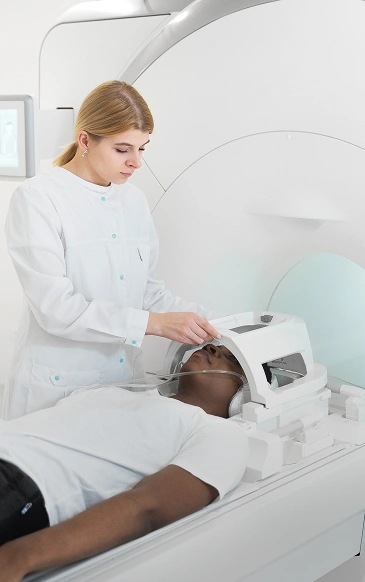
Radiation Therapy
Often used as primary or adjuvant treatment to destroy cancer cells. Advanced techniques minimise damage to surrounding healthy tissue.

Chemotherapy
May be combined with radiation in advanced or recurrent cases to improve outcomes.

Targeted Therapy
Newer treatments focus on molecular targets for improved efficacy and reduced side effects.

Supportive Care
Includes speech therapy, nutritional support, and rehabilitation to help patients recover and maintain quality of life.
Laryngeal Cancer Recovery Timeline
Preoperative Preparation
(1–2 weeks)

Evaluation, imaging, and surgical planning
Nutritional advice, smoking cessation support
Surgery & Hospital Stay
(Day 0–7)

Tumour removal, voice box preservation or laryngectomy
Pain control, wound care, early rehabilitation
Early Recovery Phase
(1–4 weeks)

Healing, early speech and swallowing therapy
Nutrition management, supportive therapies
Rehabilitation & Follow-Up
(1–3 months)

Functional recovery, voice rehabilitation
Regular clinical review, speech therapy
Long-Term Recovery
(3 months and beyond)

Surveillance for recurrence, lifestyle modification
Continuous care, emotional and psychological support
Outcomes and Survival Rates
Laryngeal cancer survival rate depends largely on early diagnosis and comprehensive treatment. Early-stage laryngeal cancers demonstrate a relatively favourable prognosis, while advanced stages require combined modality therapies with close follow-up. Complications of laryngeal cancer and its treatment may include voice loss, swallowing difficulties, and respiratory challenges, but modern surgical and supportive techniques improve overall functional outcomes.


Dr. Amit Chakraborty
Cancer Surgeon
Why Choose Dr Amit Chakraborty for Laryngeal Cancer Treatment?
- Skilled expertise in complex laryngeal cancer surgery and preservation techniques
- Personalised, stage-specific treatment plans backed by a multidisciplinary team
- Access to advanced diagnostic and therapeutic technologies
- Comprehensive rehabilitation services, including speech and swallowing therapy
- Commitment to compassionate, patient-centred care emphasising quality of life and survivorship
0
Treated Cancer Patients
0
Complex Surgeries
0%
Success Rate

FAQs
Laryngeal cancer is a malignant tumour originating in the voice box, affecting breathing, speaking, and swallowing.
Early signs include persistent hoarseness, sore throat, difficulty swallowing, and throat pain.
Treatment options include surgery, radiation, chemotherapy, targeted therapy, and supportive care.
Survival rates are higher if diagnosed early; advanced cases require multimodal treatment.
Yes, regular surveillance is necessary due to the laryngeal cancer recurrence rate.
Surgery ranges from tumour excision to total laryngectomy, aiming to remove cancer and preserve function.
The cost of laryngeal cancer treatment in India depends on the cancer stage and whether the patient needs surgery alone or additional treatments such as radiation or chemotherapy. On average, laryngeal cancer treatment costs ₹80,000 to ₹7,00,000 in India. A personalised estimate is provided after evaluation.
Together, We Can Fight Against Cancer
Contact us via phone or fill out our appointment form to schedule a consultation with Dr Amit Chakraborty.
Book Consultation