Hypopharyngeal Cancer

Overview
Hypopharyngeal cancer is a malignancy that develops in the hypopharynx, the lower part of the throat surrounding the larynx and the opening to the oesophagus. This critical area is responsible for swallowing and breathing. Because early symptoms are often minimal or non-specific, early detection is challenging but crucial for effective treatment and improved outcomes. Awareness of hypopharyngeal cancer symptoms and risk factors facilitates timely diagnosis and management. Treatment options depend on the cancer stage and include surgery, radiation therapy, chemotherapy, and targeted therapies. Early intervention can significantly improve survival rates and quality of life.
Recognise symptoms early and seek medical advice without delay.
Early diagnosis and tailored treatment improve outcomes and quality of life.
Book Consultation
What is Hypopharyngeal Cancer?
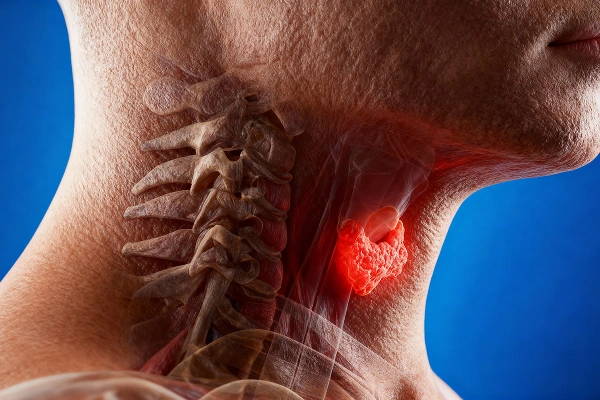
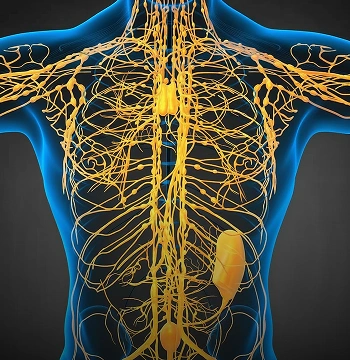
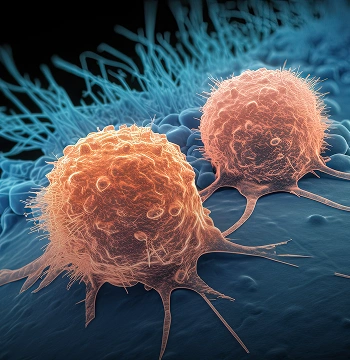
Hypopharyngeal cancer is defined as the uncontrolled growth of malignant cells in the hypopharynx, which is the lower portion of the pharynx located behind and surrounding the larynx and oesophagus. Most cancers here are squamous cell carcinomas that can spread rapidly due to the rich lymphatic network. The classification of hypopharyngeal cancer is based on tumour location and extent, which directly influences treatment planning and prognosis.
What are the Symptoms of Hypopharyngeal Cancer?
Timely recognition of hypopharyngeal cancer symptoms improves early diagnosis. These include:
- Difficulty or pain when swallowing (dysphagia)
- Persistent sore throat or sensation of a lump in the throat
- Hoarseness or voice changes
- Ear pain without infection
- Unexplained weight loss
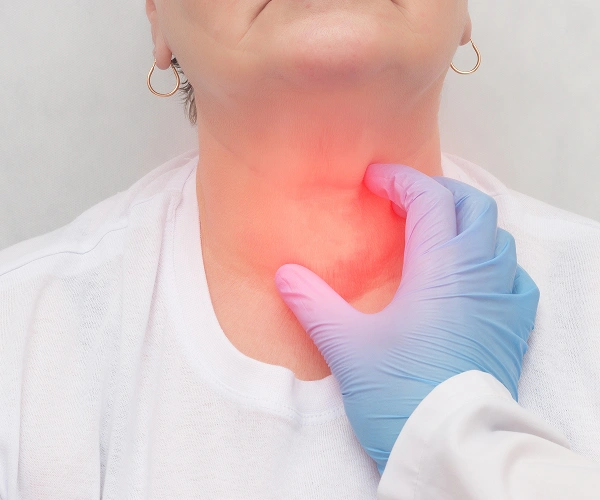
- A neck lump caused by enlarged lymph nodes
Any persistent symptom lasting more than two weeks warrants medical evaluation.
What are the Causes and Risk Factors?
Major hypopharyngeal cancer risk factors are associated with lifestyle and environmental exposures:

Tobacco use
Smoking and smokeless tobacco are major contributors to hypopharyngeal cancer.

Alcohol consumption
Heavy alcohol intake significantly increases risk, especially when combined with tobacco.

Poor nutrition and oral hygiene
Inadequate diet and chronic oral neglect can weaken tissue integrity.

Occupational exposure
Certain workplace chemicals and fumes may heighten susceptibility.

HPV infection
Although less common than in oropharyngeal cancers, HPV can still play a contributing role.

Genetic and age factors
Advancing age and underlying genetic predispositions can increase vulnerability.

Reflux disease
Chronic acid reflux may irritate the hypopharynx and contribute to long-term inflammation.
How is Hypopharyngeal Cancer Diagnosed?
Diagnosis involves a comprehensive approach:
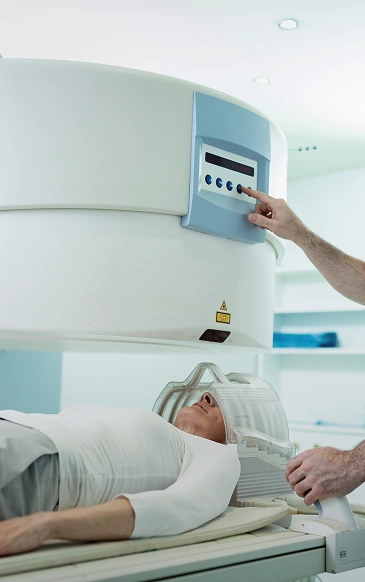
Endoscopic examination
Imaging studies
Biopsy
Laryngoscopic evaluation
Swallowing assessment
Blood tests and general evaluation

How is Hypopharyngeal Cancer Staged?a
Hypopharyngeal cancer staging determines the extent of the disease using the TNM system:
What are the Treatment Options for Hypopharyngeal Cancer?
Treatment is customised based on the stage, tumour characteristics, and patient health:

Surgery
Includes partial or total pharyngectomy, sometimes combined with reconstructive procedures to restore swallowing and speech.
Radiation Therapy
Used post-surgery or as primary treatment targeting residual cancer cells.

Chemotherapy
Frequently combined with radiation for advanced disease or used alone in inoperable cases.

Targeted and Immunotherapy
Emerging treatments focusing on molecular pathways and immune modulation to enhance effectiveness.

Supportive Care
Nutritional support, speech therapy, and psychosocial counselling to aid recovery and quality of life.
Hypopharyngeal Cancer Recovery Timeline
Preoperative Preparation
(1–2 weeks)

Evaluation, diagnostic tests, and planning
Counselling, nutrition, and physical preparation
Surgery & Hospital Stay
(Day 0–7)

Surgical tumour removal and immediate post-op monitoring
Wound care, nutrition, pain management
Early Recovery
(1–4 weeks)

Healing and managing treatment side effects
Speech and swallowing therapy, psychological support
Rehabilitation & Follow-Up
(1–3 months)

Functional recovery, surveillance for recurrence
Regular check-ups and lifestyle advice
Long-Term Recovery
(3+ months)

Continued surveillance and restoration of functions
Ongoing support and survivorship care
Outcomes and Survival Rates
Survival in hypopharyngeal cancer varies significantly by stage, with early disease associated with better outcomes. Combined modality treatments have improved survival rates, but hypopharyngeal cancer generally carries a poorer prognosis compared to other head and neck cancers because of late presentation. Long-term follow-up is critical due to the potential for recurrence.


Dr. Amit Chakraborty
Cancer Surgeon
Why Choose Dr Amit Chakraborty for Hypopharyngeal Cancer Treatment?
- Extensive experience managing advanced head and neck cancers, including hypopharyngeal cancer
- Multidisciplinary, personalised treatment integrating surgery, radiation, and systemic therapies
- Adoption of the latest treatment innovations and protocols
- Dedicated support throughout treatment and recovery phases
0
Treated Cancer Patients
0
Complex Surgeries
0%
Success Rate

FAQs
Yes, particularly if detected early; advanced cases require comprehensive and carefully managed treatments.
Difficulty swallowing, persistent sore throat, hoarseness, ear pain, and neck lumps are typical signs.
Staging uses imaging and biopsy to evaluate tumour size, nodal spread, and distant metastasis.
Surgery, radiation, chemotherapy, targeted therapy, immunotherapy, and supportive care.
Varies with stage; early detection significantly improves survival outcomes.
The cost of hypopharyngeal cancer treatment in India varies depending on the stage of the disease and whether surgery, reconstruction, radiation, or chemotherapy is needed. On average, treatment costs ₹3,00,000 to ₹15,00,000 in India. A detailed estimate is provided after medical evaluation.
Together, We Can Fight Against Cancer
Contact us via phone or fill out our appointment form to schedule a consultation with Dr Amit Chakraborty.
Book Consultation