
When your throat feels scratchy or swallowing becomes slightly painful, it’s easy to blame it on allergies, weather changes, or a mild infection. Most of the time, that’s true. But when these symptoms linger for weeks without relief, they could point to something more serious.
Throat cancer doesn’t appear overnight or announce itself dramatically. It often creeps in silently, disguised as routine discomfort. Understanding its progression from early signs to advanced symptoms can make all the difference between a simple treatment and a life-threatening condition.
What Exactly Is Throat Cancer?
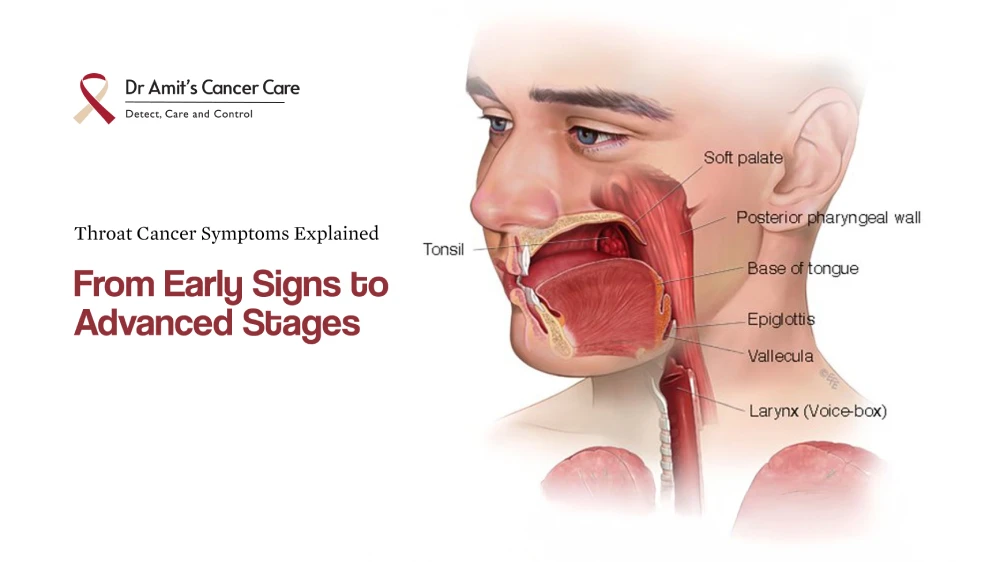
Throat cancer refers to the uncontrolled growth of abnormal cells in the pharynx (throat), larynx (voice box), or tonsils. These areas are vital for breathing, swallowing, and speaking, which means cancer in this region can significantly affect daily life.
Main Categories of Throat Cancer
| Type | Location | Common Traits |
| Pharyngeal Cancer | Nasopharynx, Oropharynx, Hypopharynx | May cause sore throat, ear pain, and difficulty swallowing |
| Laryngeal Cancer | Voice box (vocal cords) | Often starts with hoarseness or voice changes |
The oropharyngeal type (affecting the tonsils or base of the tongue) is increasingly common today, primarily linked to HPV (human papillomavirus) infection.
Early Symptoms of Throat Cancer: The First Whispers
In the earliest stages, throat cancer symptoms often resemble everyday irritations, which makes them easy to overlook.
Common early symptoms include:
- A sore throat that won’t go away
- Subtle changes in your voice or hoarseness
- A dull earache on one side
- A sensation of something “stuck” in your throat
- Minor discomfort while swallowing
These early symptoms of throat cancer can persist even after antibiotics or home remedies, signaling a need for further examination.
Throat Cancer 1st Stage Symptoms: The Hidden Beginning
At Stage I, the tumour is small, usually less than 2 cm, and confined to one region. Most patients don’t feel pain yet.
Throat cancer 1st stage symptoms may include:
- Mild hoarseness or change in voice tone
- Occasional sore throat that lingers
- Tiny bump or ulcer at the back of the throat
- Slight difficulty swallowing solid foods
Interestingly, many Stage I cases are detected accidentally during dental or ENT checkups.
Progression: From Moderate to Advanced Stages
As cancer progresses from Stage II to IV, symptoms worsen and interfere with everyday activities.
Moderate to advanced throat cancer symptoms include:
- Persistent pain radiating to the ear or jaw
- Noticeable lump in the neck (enlarged lymph node)
- Frequent coughing or coughing up blood
- Voice becoming raspy, weak, or lost entirely
- Difficulty breathing or swallowing even liquids
- Unexplained weight loss and chronic fatigue
At the end stage of throat cancer, tumours can obstruct airways or spread to distant organs (lungs, bones). Palliative care focuses on comfort, nutrition, and maintaining speech or breathing as long as possible.
How stages relate to symptoms
- Early stages (localised tumours) often produce subtle voice or swallowing changes without external swelling.
- Regional spread commonly presents with neck lymph nodes and more marked pain on swallowing.
- Advanced stages may cause airway compromise, severe dysphagia, weight loss, and pain radiating to the ear or jaw.
Red‑flag situations
- Any symptom lasting more than a few weeks in a person with tobacco or alcohol exposure warrants prompt head and neck examination.
- Rapidly enlarging neck masses, progressive airway noise, or difficulty handling secretions require urgent ENT or emergency evaluation.
Understanding the Symptoms with Stages of Throat Cancer
One of the most critical aspects of understanding throat cancer symptoms is recognising how they evolve through stages. Each stage reflects how far cancer has spread and directly affects treatment and prognosis.
| Stage | Description | Typical Symptoms | Treatment Outlook |
| Stage 0 (Carcinoma in Situ) | Abnormal cells are found only in the surface lining of the throat. | Usually, there are no symptoms. | Nearly 100% curable with prompt treatment. |
| Stage I | Tumour ≤ 2 cm, localised to one part of the throat. | Mild sore throat, minor voice change, subtle swallowing discomfort. | 80–90% cure rate with surgery or radiation. |
| Stage II | The tumour grows (2–4 cm) but still hasn’t reached the lymph nodes. | Persistent sore throat, mild earache, visible lump, difficulty swallowing solids. | Highly treatable with combined therapy. |
| Stage III | Tumour> 4 cm or spread to one lymph node (same side of neck). | Noticeable neck lump, voice hoarseness, pain when swallowing, and occasional bleeding. | Requires surgery + radiation/chemotherapy. |
| Stage IV (Advanced) | Cancer spreads to multiple lymph nodes or distant organs. | Severe swallowing difficulty, coughing blood, breathing trouble, and weight loss. | Focuses on control, comfort, and quality of life. |
According to Dr. Amit Chakraborty, early detection dramatically increases treatment success rates and often enables minimally invasive surgical options.
Gender Differences: Throat Cancer Symptoms in Men and Women
Throat Cancer Symptoms in Men
- Higher link to tobacco and alcohol use
- More likely to notice voice changes early
- Frequently detect neck lumps sooner.
Women’s Throat Cancer Symptoms
- Often linked to HPV infections rather than smoking
- Early symptoms may include ear pain or difficulty swallowing
- Fatigue or unexplained weight loss may appear earlier
Though men remain more affected overall, rising HPV-related cases have increased the risk for women as well.
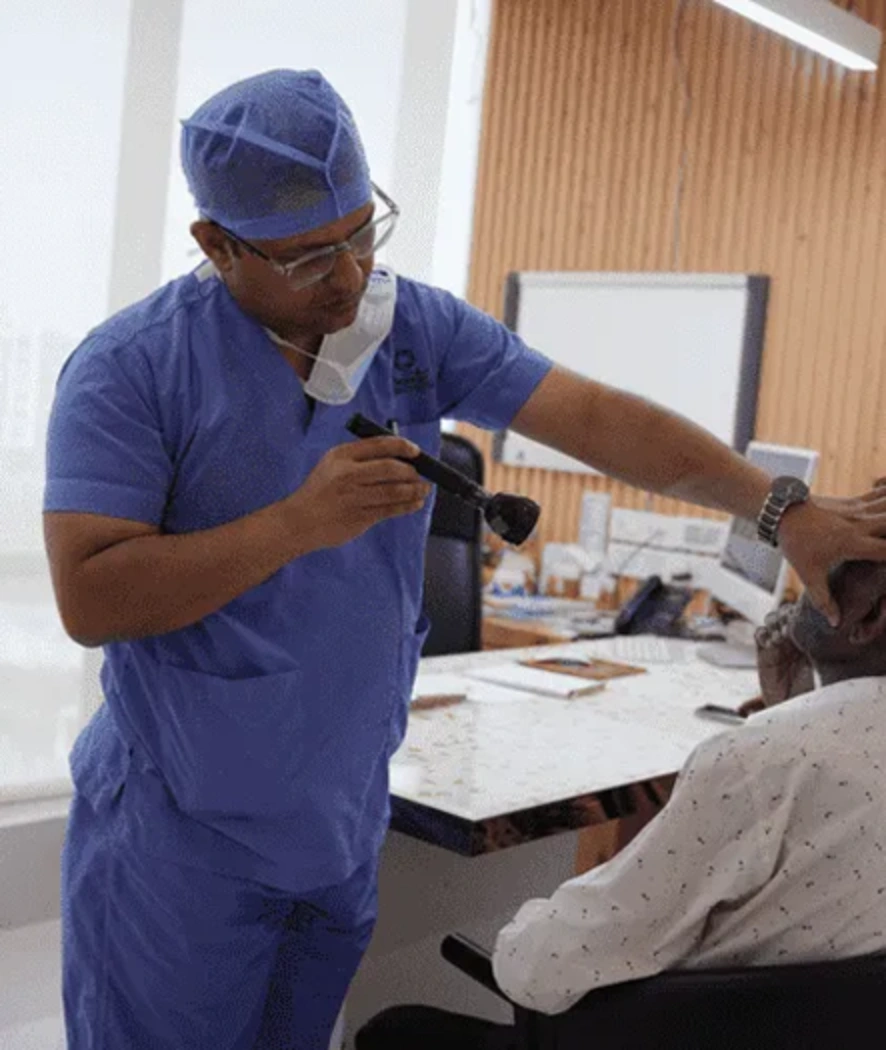
How Throat Cancer Is Diagnosed
Doctors use several steps to identify and stage throat cancer accurately:
- Physical exam: Checking for lumps or asymmetry.
- Endoscopy or laryngoscopy: Using a camera to visualise throat tissues.
- Biopsy: Tissue analysis to confirm cancer cells.
- Imaging (CT, MRI, PET scans): To determine tumour spread.
- HPV testing: Determines treatment strategy for HPV-linked cancers.
Treatment Options Across Stages
| Stage | Common Treatments | Goal |
| I–II | Radiation therapy, endoscopic, or robotic surgery | Complete cure and voice preservation |
| III | Combined surgery, radiation, and chemotherapy | Eliminate the tumour and prevent recurrence |
| IV | Targeted therapy, immunotherapy, palliative care | Control disease and improve life quality |
Dr. Amit Chakraborty, one of India’s leading head and neck oncologist, uses advanced robotic surgical techniques that minimise invasiveness while preserving essential throat function, especially valuable in early-stage treatment.
Living Beyond Throat Cancer
Rehabilitation and recovery include speech therapy, dietary guidance, and psychological support. Many survivors continue to lead fulfilling lives with proper rehabilitation.
Joining support groups or speaking with counsellors can also make a significant difference in emotional healing during recovery.
Prevention: Reducing Your Risk
Simple lifestyle changes can significantly reduce your risk:
- Quit using tobacco totally.
- Limit alcohol consumption.
- Get an early HPV immunisation.
- Consume antioxidant-rich fruits and vegetables.
- Practice safe oral hygiene.
- Schedule a regular ENT checkup.
When Should You See a Doctor?
Follow the two-week rule:
If any throat discomfort, hoarseness, or lump lasts longer than two weeks, consult a specialist immediately. Early diagnosis saves lives, especially when it comes to throat cancer.
Take Action: Protect Your Voice, Protect Your Life
Understanding throat cancer’s subtle beginnings and progressive nature is key to protecting your health and ensuring early detection. What often starts as a mild sore throat or slight change in voice can, over time, evolve into something far more serious if ignored. Paying attention to persistent symptoms and seeking timely medical evaluation can make all the difference between a simple, curable stage and an advanced, life-threatening one.
With today’s advanced diagnostic tools and minimally invasive treatment options, early intervention offers excellent outcomes and a strong chance of full recovery. Listening to your body, maintaining healthy habits, and consulting experts like Dr. Amit Chakraborty at the first sign of trouble could genuinely be the step that saves your life. If you experience any persistent throat symptoms or voice changes, get evaluated promptly.
Book a consultation with Dr. Amit Chakraborty, a leading expert in head and neck cancer care with over 18 years of experience. Early action can truly save your life.



 Jun 25, 2024