
Hearing the words “tongue cancer” often brings many questions, and one of the first is about curability. People commonly search “Is stage 2 tongue cancer curable?” because they want clarity and a realistic understanding of what to expect.
The good news is that early-stage tongue cancer is often treatable, and recovery rates have improved with modern surgery and radiation. Even in advanced stages, when patients wonder “is stage 4 tongue cancer curable?” newer treatments can still help control the disease and support a better quality of life.
With the right information and timely medical care, many patients are able to move forward with confidence and a clear plan.
What Is Tongue Cancer?
Tongue cancer is a type of head and neck cancer. It develops when the cells on the tongue begin to grow in an uncontrolled and abnormal way. Over time, these cells can form a sore, patch or lump that doesn’t heal.
There are two main areas where tongue cancer can start:
- The front (oral) part of the tongue: the part you can see and move easily.
- The base of the tongue: the deeper section near the throat.
Most tongue cancers are squamous cell carcinomas, meaning they start in the thin, flat cells that line the surface of the tongue.
Symptoms of Tongue Cancer
Tongue cancer doesn’t always cause obvious symptoms in the beginning. What you notice can depend on where the cancer starts and how far it has grown. Still, there are a few early signs that shouldn’t be ignored.
Common symptoms you may see or feel include:
- A red or white patch on the tongue
- A sore or ulcer that doesn’t heal
- A lump or thick area on the side of your tongue
- A spot that bleeds easily
- A persistent burning sensation or numbness in your tongue
Other symptoms that can appear as the cancer grows include:
- A sore throat that doesn’t go away
- A feeling that something is stuck in your throat
- Ear pain
- Pain while chewing or swallowing
- Hoarseness or changes in your voice
- Swollen jaw or neck
- Loose teeth or a sudden change in how dentures fit
Who Is at Risk?
Not everyone who develops tongue cancer has the same risk factors, and having a risk factor doesn’t mean you will get it. But some factors are known to increase the chances:
The biggest risk factors
- Tobacco use: Smoking cigarettes, cigars, pipes, or using smokeless tobacco
- Heavy alcohol use: Drinking large amounts regularly
- Both smoking and drinking: Together, they increase risk more than either alone
Other important factors
- HPV infection (especially linked to cancer at the base of the tongue)
- Chewing tobacco or betel nut
- Family history of oral or head and neck cancers
- Previous cancer diagnosis in the mouth or throat
Knowing your risks doesn’t mean it will happen. It’s about staying aware, making healthy choices, and spotting symptoms early. Acting quickly can improve treatment outcomes.
How Is Tongue Cancer Diagnosed?
Early diagnosis is key to effective treatment. But how do doctors check for tongue cancer?
1. Physical Exam
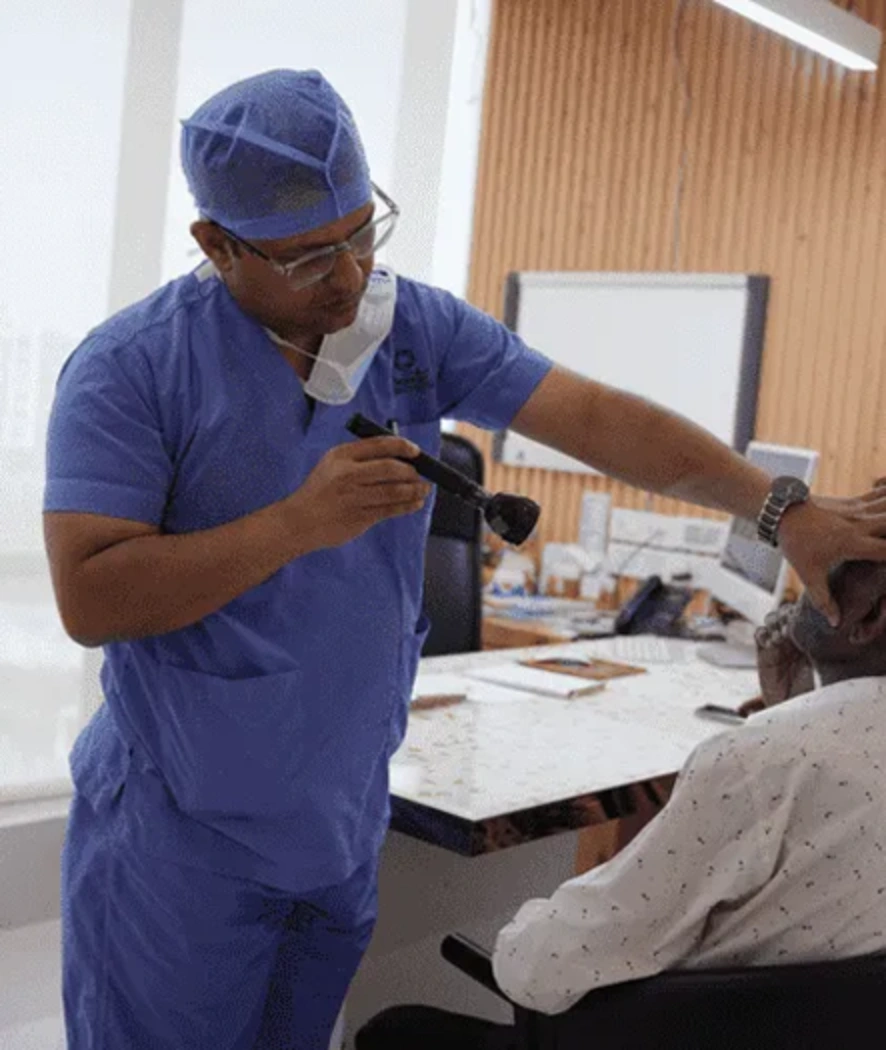
Your dentist or doctor may spot unusual lumps, sores, or patches during a routine checkup. They will look and feel for anything abnormal.
2. Scope or Camera Check
For areas you can’t see, like the base of the tongue, your doctor may use a small camera to examine the throat and tongue more closely.
3. Biopsy
A biopsy is the main test to confirm tongue cancer. A tiny sample of tissue is taken and examined in a lab to check for cancer cells.
4. Imaging Tests
If cancer is suspected, imaging helps see if it has spread. Common scans include:
- CT scan: detailed X-ray images of your tongue and neck
- MRI: clear pictures of soft tissues
- PET scan: checks if cancer has reached other parts of the body
These steps help your care team plan the best treatment. Early detection usually means simpler treatment and better recovery.
Is Tongue Cancer Curable? What You Need to Know About Each Stage
Once tongue cancer is diagnosed, one of the first questions patients and caregivers ask is whether it can be cured. The answer often depends on the stage of the cancer and its location. Here’s a clear look at each stage:
Is Stage 2 Tongue Cancer Curable?
Stage 2 tongue cancer is often highly treatable because the tumor is still confined to the tongue.
Size: Tumor is larger than 2 cm but has not spread to lymph nodes or distant organs.
Treatment Options: Surgery to remove the tumor; radiation is used only if needed based on margins or risk factors.
Survival Rate: About 70% to 80% five-year survival.
Why Survival Is High: Cancer remains localized, allowing complete removal and better preservation of tongue function.
Recovery: Some patients may need speech or swallowing therapy, but most regain normal or near-normal quality of life.
Bottom line: With timely treatment, Stage 2 tongue cancer offers an excellent chance for cure and long-term recovery.
Is Stage 3 Tongue Cancer Curable?
Stage 3 is more advanced, as the tumor may involve nearby lymph nodes. Treatment becomes more complex but can still be effective.
Size and Spread: Larger tumor; may involve one or more nearby lymph nodes.
Treatment Options: Surgery, radiation, and sometimes chemotherapy. Lymph nodes may be removed, and reconstruction may be needed.
Survival Rate: About 55% five-year survival, depending on tumor location, lymph node involvement, and overall health.
Recovery: More extensive rehabilitation for speech and swallowing may be required. Regular follow-ups are crucial.
Bottom line: With well-coordinated treatment, many Stage 3 patients achieve long-term remission or cure.
Is Stage 4 Tongue Cancer Curable?
Stage 4 is the most advanced stage, with cancer spreading to nearby structures, multiple lymph nodes, or distant organs.
Size and Spread: Can be locally advanced (Stage 4A/4B) or metastatic (Stage 4C).
Treatment Options: Surgery, radiation, chemotherapy, and in some cases targeted therapy or clinical trials. For metastatic cases, treatment focuses on controlling the disease and improving quality of life.
Survival Rate: About 20% to 40% for locally advanced stages; lower for metastatic cases.
Recovery: Speech and swallowing may be affected, but supportive therapy and nutritional guidance help maintain quality of life.
Bottom line: While a complete cure is less likely, modern treatments can control the disease, extend life, and improve comfort.
Is Base of Tongue Cancer Curable?
Cancers at the base of the tongue (near the throat) are often diagnosed later because symptoms are subtle. Many are linked to HPV infection, which responds well to treatment.
Treatment Options: Radiation and chemotherapy are standard; surgery may be needed in some cases using newer techniques.
Survival Rate: HPV-positive cases have high survival rates, even in advanced stages. HPV-negative cancers are more challenging but still treatable.
Recovery: Swallowing and speech may be affected, but modern radiation and therapy help preserve function.
Bottom line: Many patients, especially with HPV-positive base of tongue cancer, can expect successful treatment and recovery.
Preventing Tongue Cancer
While tongue cancer can’t always be prevented, you can reduce your risk by:
- Avoiding tobacco and limiting alcohol
- Getting the HPV vaccine
- Visiting your dentist regularly and keeping good oral hygiene
- Eating a balanced diet rich in fruits, vegetables, and whole grains
The Importance of Early Detection
Early detection makes the biggest difference in how well tongue cancer can be treated. When the cancer is found at stage 1, cure rates can be as high as 80% to 90%. By stage 4, these chances decrease, which is why recognising early symptoms is so important.
Symptoms to Watch For
Seek medical or dental evaluation if you notice:
- A sore or ulcer on the tongue that does not heal within two weeks
- A persistent lump, thickening or rough patch
- Unexplained bleeding or numbness
- Difficulty moving the tongue or trouble swallowing
- Ear pain that does not have another clear cause
- White or red patches that do not go away
How to Catch Problems Early
- Regular dental check-ups: Dentists often spot early signs of oral cancer during routine visits.
- Screening and referral: If anything looks suspicious, your dentist can refer you for further testing, such as a biopsy.
- Self-examination: Checking your mouth and tongue at home can help you notice changes sooner.
Conclusion
With timely care and the right treatment, many patients with tongue cancer recover and maintain a good quality of life. Early signs matter. Understanding the stages and acting quickly improves outcomes.
If you notice unusual spots, lumps, or changes in your tongue, do not ignore them. Speak to your doctor or dentist promptly.
For expert evaluation and personalised care, Dr. Amit Chakraborty, one of the best head and neck cancer surgeons in Mumbai, supports patients from diagnosis to recovery. His approach focuses on effective treatment and preserving quality of life.
If you or a loved one needs clarity or a clear treatment plan, scheduling a consultation with Dr Amit can be a meaningful first step.
Reference:
- Chen, Y., Pandya, K. J., Smudzin, T., Doerr, T., & Popat, S. (2008). Concurrent chemoradiation for locally advanced cancer of the oral tongue and base of tongue. Journal of Clinical Oncology, 26(15_suppl), 17036. https://doi.org/10.1200/jco.2008.26.15_suppl.17036



 Jun 03, 2025