
When it comes to neck cancers, early detection is critical for successful treatment outcomes and long-term survival. Unfortunately, many patients dismiss the initial warning signs, attributing them to common infections or minor health issues. Among these early indicators, swollen lymph nodes are often one of the earliest and most overlooked signs that something more serious may be developing.
Understanding what early-stage swollen lymph nodes in neck cancer look and feel like can be the difference between catching the disease when it’s most treatable and facing more complex treatment challenges later. While not every swollen lymph node indicates cancer, recognising the specific characteristics of cancer lymph nodes in the neck can help you make informed decisions about when to seek medical attention. This comprehensive guide will explain exactly what these lymph nodes feel like, when you should be concerned, and why timely diagnosis matters so much for your health outcomes.
Understanding Lymph Nodes and Their Role
Lymph nodes are small bean-shaped structures, these are important checkpoints in the immune system. They trap bacteria, viruses, and other potentially harmful particles to protect the body from illness. Under normal circumstances, lymph nodes are barely noticeable, typically measuring less than one centimetre in diameter.
When your body fights an infection, lymph nodes naturally swell as they work overtime to filter out harmful invaders. This is why you might notice swollen nodes in your neck during a cold or throat infection. However, this swelling usually subsides once the infection clears, typically within two to three weeks.
Cancer swollen lymph nodes behave very differently from infection-related swelling. When cancer cells spread from their original location to nearby lymph nodes through a process called metastasis, the nodes undergo distinct changes. Unlike infectious swelling, cancer-related lymph node enlargement tends to be persistent and progressive, often growing larger over time rather than shrinking.
The key difference lies in understanding that while infectious swelling represents your immune system working correctly, cancer-related swelling indicates that malignant cells have invaded these crucial immune structures. This distinction becomes critical when evaluating whether lymph node swelling warrants immediate medical attention or simple observation.
What Do Early Stage Swollen Lymph Nodes in Neck Cancer Look Like?
Recognising the specific characteristics of early-stage swollen lymph nodes in neck cancer requires understanding several key features that distinguish them from benign swelling. These cancerous lymph nodes typically present with a unique combination of physical properties that experienced healthcare providers can identify during examination.
The table below highlights the key differences between early-stage cancerous lymph nodes in the neck and those swollen due to common, non-cancerous causes:
| Feature | Cancerous Lymph Nodes (Early Stage) | Benign Swollen Lymph Nodes |
| Texture | Hard and firm, like small rocks or marbles | Soft and squishy |
| Tenderness | Non-tender, painless when touched | Usually tender or painful |
| Mobility | Fixed to underlying tissues, feel stuck | Freely movable under the skin |
| Duration | Persistent, do not shrink after 2–3 weeks, may enlarge | Disappear within a few weeks as infection resolves |
Other Early Warning Signs of Neck Cancer
While swollen lymph nodes often serve as early indicators, neck cancers typically present with additional symptoms that develop alongside lymph node changes. Recognising these accompanying signs can provide a more complete picture and emphasise the importance of seeking medical evaluation.
- A persistent sore throat that doesn’t improve with typical treatments represents one of the most common early symptoms. Unlike viral or bacterial throat infections that resolve within a week or two, cancer-related throat pain tends to worsen over time or remain consistently troublesome for several weeks.
- Hoarseness or voice changes that persist for more than two weeks should raise concern, especially when accompanied by swollen lymph nodes. These vocal changes occur when tumours affect the vocal cords or surrounding structures, leading to alterations in voice quality, pitch, or volume.
- Difficulty swallowing, medically known as dysphagia, may start subtly with occasional discomfort when eating certain foods. As the condition progresses, patients might notice increasing difficulty with liquids or solids, often accompanied by a sensation of food getting stuck in the throat.
- Mouth ulcers or sores that don’t heal within two weeks warrant medical attention, particularly when they appear alongside other symptoms. These lesions may be painless initially but can become increasingly uncomfortable as they persist.
- Unexplained ear pain or jaw pain, mainly when occurring on the same side as swollen lymph nodes, can indicate referred pain from neck cancer. This happens because nerves in the head and neck region are interconnected, causing pain to be felt in areas distant from the actual tumour location.
Risk Factors and When to Worry
Understanding your personal risk factors for neck cancer helps determine how seriously to take persistent lymph node swelling. Certain lifestyle factors, medical conditions, and genetic predispositions significantly increase the likelihood that swollen lymph nodes might indicate cancer rather than benign causes.
- Smoking represents the most significant modifiable risk factor for head and neck cancers. Both cigarette smoking and smokeless tobacco use dramatically increase cancer risk, with the danger increasing proportionally to the duration and intensity of tobacco use. Even former smokers remain at elevated risk for several years after quitting.
- Heavy alcohol consumption, particularly when combined with tobacco use, creates a synergistic effect that multiplies cancer risk beyond what either factor would cause alone. Regular consumption of more than two alcoholic drinks per day significantly elevates head and neck cancer risk.
- Human papillomavirus (HPV) infection, particularly with high-risk strains like HPV-16 and HPV-18, has become an increasingly recognised risk factor for certain neck cancers, especially those affecting the throat and base of tongue. HPV-related cancers often occur in younger patients without traditional risk factors.
- Family history of head and neck cancers, while less common than other risk factors, can indicate genetic predisposition. Patients with close relatives who developed these cancers should be particularly vigilant about persistent symptoms.
When persistent lymph node swelling combines with these risk factors, it creates a red flag situation requiring immediate medical evaluation. The presence of multiple risk factors doesn’t guarantee cancer. Still, it does warrant prompt, thorough investigation by qualified healthcare professionals specialising in cancer lymph nodes in neck evaluation.
Diagnosis: How Doctors Evaluate Swollen Lymph Nodes
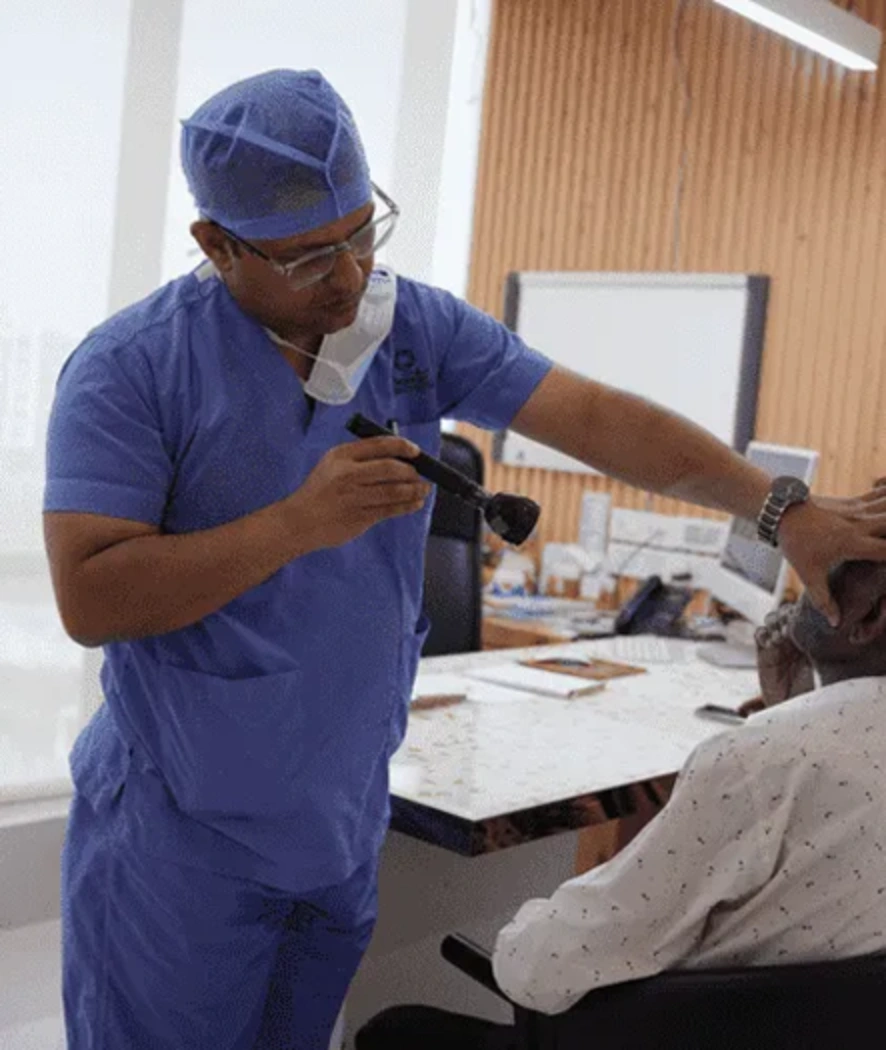
When you visit a doctor with concerns about swollen lymph nodes, the first step is a detailed clinical examination. Your doctor will feel the nodes to check their size, consistency, and mobility, while also examining your mouth, throat, and neck for possible sources of the problem. If needed, imaging tests such as ultrasound, CT, or MRI scans are performed to get a clearer view of the lymph nodes and surrounding structures.
If imaging raises suspicion, a tissue sample is taken for confirmation. The most common method is fine needle aspiration cytology (FNAC), where cells are drawn with a thin needle for microscopic analysis. In some cases, a surgical biopsy may be recommended for a larger sample and more detailed testing. It’s important to note that swollen lymph nodes don’t always mean cancer, only proper medical evaluation can determine the cause.
Why Early Detection Saves Lives
The significance of identifying early-stage swollen lymph nodes in neck cancer cannot be overstated. Early-stage neck cancers achieve five-year survival rates compared to much lower rates for advanced stages.
Benefits of Early Detection:
- Less invasive treatment options are available
- Better preservation of speech, swallowing, and facial appearance
- Shorter recovery times and fewer complications
- Higher cure rates and better long-term outcomes
Early-stage cancers often require only surgery or radiation therapy, while advanced cancers need extensive surgical procedures, higher-dose radiation, and chemotherapy. Early-stage swollen lymph nodes in the neck cancer represent your body’s early warning system, providing a crucial opportunity for successful intervention.
Conclusion & Call to Action
Persistent swollen lymph nodes in the neck should never be ignored, especially when they exhibit the concerning characteristics discussed throughout this guide. While not every enlarged lymph node indicates cancer, the potential consequences of delayed diagnosis make prompt medical evaluation essential for your health and peace of mind.
Remember that early-stage swollen lymph nodes in neck cancer offer a valuable opportunity for successful treatment when recognised and addressed promptly. The combination of hard, non-tender, fixed lymph nodes that persist beyond three weeks, particularly in individuals with risk factors like smoking or alcohol use, warrants immediate professional evaluation.
Your health is important to leave to chance or wishful thinking. If you are experiencing persistent lymph node swelling or any combination of the warning signs discussed in this guide, don’t wait for symptoms to worsen or resolve on their own. Consult Dr. Amit Chakraborty for advanced, compassionate cancer care.



 Feb 22, 2025