
Thyroid cancer is a type of cancer that develops in the thyroid gland, a small butterfly-shaped gland located at the front of the neck. The thyroid produces hormones that regulate metabolism, heart rate, body temperature, and energy levels throughout the body.
A thyroid cancer diagnosis can feel overwhelming. For most individuals, thyroid cancer is highly treatable when detected early. Your treatment journey will depend on your specific diagnosis. Here is an overview of what that may involve.
What Is Thyroid Cancer?
Thyroid cancer occurs when abnormal cells in the thyroid begin to grow uncontrollably, forming a tumour. In some cases, these cancer cells may spread to nearby lymph nodes or other parts of the body.
The most common types of thyroid cancer include:
- Papillary thyroid cancer
- Follicular thyroid cancer
- Medullary thyroid cancer
- Anaplastic thyroid cancer
Many thyroid cancers, particularly papillary and follicular thyroid cancers, have excellent treatment outcomes when diagnosed and treated early.
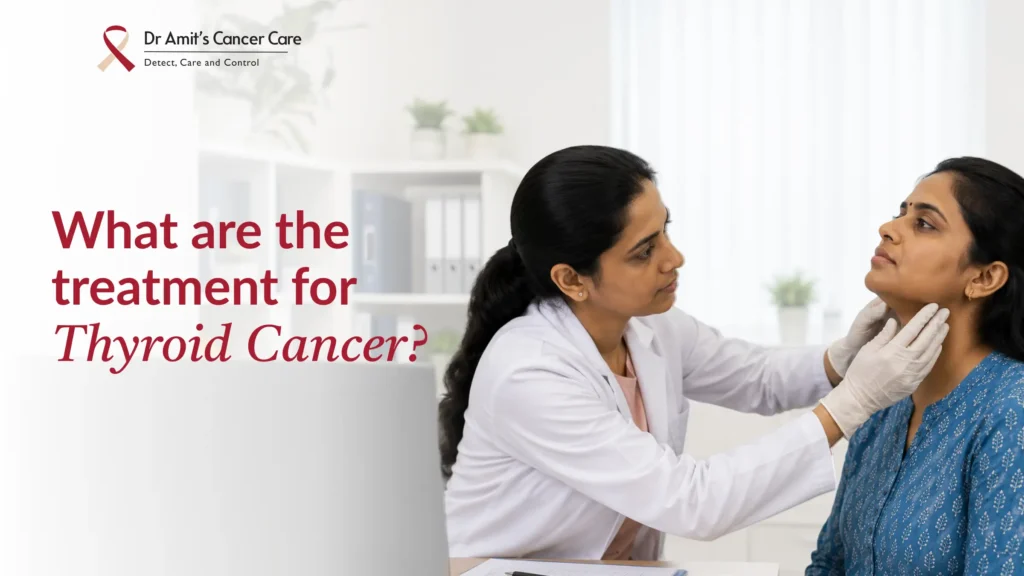
What Are the Treatment Options for Thyroid Cancer?
The most appropriate thyroid cancer treatment depends on several factors, including the type of thyroid cancer, tumour size, stage of the disease, whether it has spread beyond the thyroid gland, and the patient’s overall health.
1. Surgery
Surgery is the primary treatment for most thyroid cancers. Depending on the extent of the disease, treatment may involve removing part of the thyroid gland (lobectomy) or the entire gland (total thyroidectomy).
If cancer has spread to nearby lymph nodes, a neck dissection may also be performed to remove affected lymph nodes and reduce the risk of recurrence.
Advances in surgical techniques have also made minimally invasive thyroid surgery an option for selected patients, helping reduce recovery time and improve cosmetic outcomes.
Most commonly recommended for:
Papillary, follicular, medullary, and anaplastic thyroid cancers.
2. Radioactive Iodine Therapy
Radioactive iodine (RAI) therapy is commonly recommended after surgery for certain thyroid cancers, particularly papillary and follicular thyroid cancers.
Because thyroid cells naturally absorb iodine, radioactive iodine can selectively destroy any remaining thyroid tissue or microscopic cancer cells while sparing most healthy tissues.
Most commonly recommended for:
Papillary and follicular thyroid cancers.
RAI therapy is broadly accepted to reduce recurrence rates and improve long-term survival in high-risk and intermediate-risk patients, with studies suggesting a recurrence risk reduction of approximately 40% in carefully selected cases.
3. Thyroid Hormone Therapy
Patients who undergo total thyroidectomy usually require lifelong medication for thyroid hormone replacement. These medications help maintain normal hormone levels and support essential bodily functions.
In addition, thyroid hormone therapy may help suppress thyroid-stimulating hormone (TSH), which can reduce the likelihood of cancer recurrence in certain cases.
Most commonly recommended for:
Patients who have undergone total thyroidectomy, regardless of cancer type.
This is one of the most manageable long-term commitments involved in thyroid cancer care. Most patients take a single daily tablet and maintain a normal quality of life.
4. External Beam Radiation Therapy
External beam radiation therapy may be recommended for advanced thyroid cancers, recurrent disease, or tumours that cannot be completely removed by surgery.
This treatment uses targeted radiation to destroy cancer cells and help control tumour growth.
Most commonly recommended for:
Anaplastic thyroid cancer and advanced or recurrent medullary thyroid cancer.
5. Targeted Therapy
Targeted therapy is generally reserved for advanced, recurrent, metastatic, or radioactive iodine-resistant thyroid cancers.
These medications work by targeting specific genetic mutations or molecular pathways that help cancer cells grow and survive. In carefully selected patients, targeted therapies can help slow disease progression and improve outcomes.
Most commonly recommended for:
Radioactive iodine-resistant differentiated thyroid cancers, medullary thyroid cancer with specific mutations, and anaplastic thyroid cancer.
6. Active Surveillance
Not every thyroid cancer requires immediate treatment. Patients with tiny papillary thyroid cancers confined to the thyroid gland may be candidates for active surveillance.
This approach involves regular ultrasound examinations and clinical follow-up to monitor the cancer closely while avoiding unnecessary treatment.
Most commonly recommended for:
Low-risk papillary thyroid microcarcinomas smaller than 1 cm with no signs of spread.
What Are The Factors That Influence Thyroid Cancer Treatment?
Several factors help determine the most appropriate treatment approach, including:
- Type of thyroid cancer
- Tumour size
- Cancer stage
- Lymph node involvement
- Presence of distant metastasis
- Patient age
- Overall health status
- Risk of recurrence
Every case is unique, treatment decisions are best made through a multidisciplinary approach involving surgical oncology, endocrinology, pathology, radiology, and other specialists when required.
Long-Term Follow-Up After Treatment
Follow-up care remains an important part of thyroid cancer management, even after successful treatment.
For most patients, life after thyroid cancer treatment is remarkably normal. You will have routine check-ins with your specialist, manage your thyroid hormone levels with daily medication if needed, and undergo periodic scans to ensure everything remains clear. The goal is not just to treat the cancer but also to make sure you feel well and stay well for the long term.
Patients may require:
- Periodic thyroid function tests
- Thyroglobulin monitoring
- Neck ultrasound examinations
- Imaging studies when indicated
- Ongoing thyroid hormone management
Regular follow-up helps detect recurrence early and ensures optimal long-term health.
Conclusion
Thyroid cancer is often highly treatable, particularly when diagnosed in its early stages. Modern thyroid cancer treatment may involve surgery, radioactive iodine therapy, thyroid hormone replacement, radiation therapy, targeted therapy, or active surveillance, depending on the individual case.
Early diagnosis, expert surgical care, and personalised treatment planning play vital roles in achieving the best possible outcomes.
Take The Next Step.
If you have recently received a thyroid nodule diagnosis or have concerns, early staging and timely treatment make a significant difference to your outcomes.
A thyroid cancer diagnosis requires timely evaluation, accurate staging, and a personalised treatment strategy. Dr Amit Chakraborty provides comprehensive thyroid cancer care, from diagnosis and surgery to long-term follow-up, helping patients navigate every stage of treatment with confidence and clarity.


 Jun 25, 2024